Why Are My Nails Peeling? 9 Real Causes and How to Fix Each One
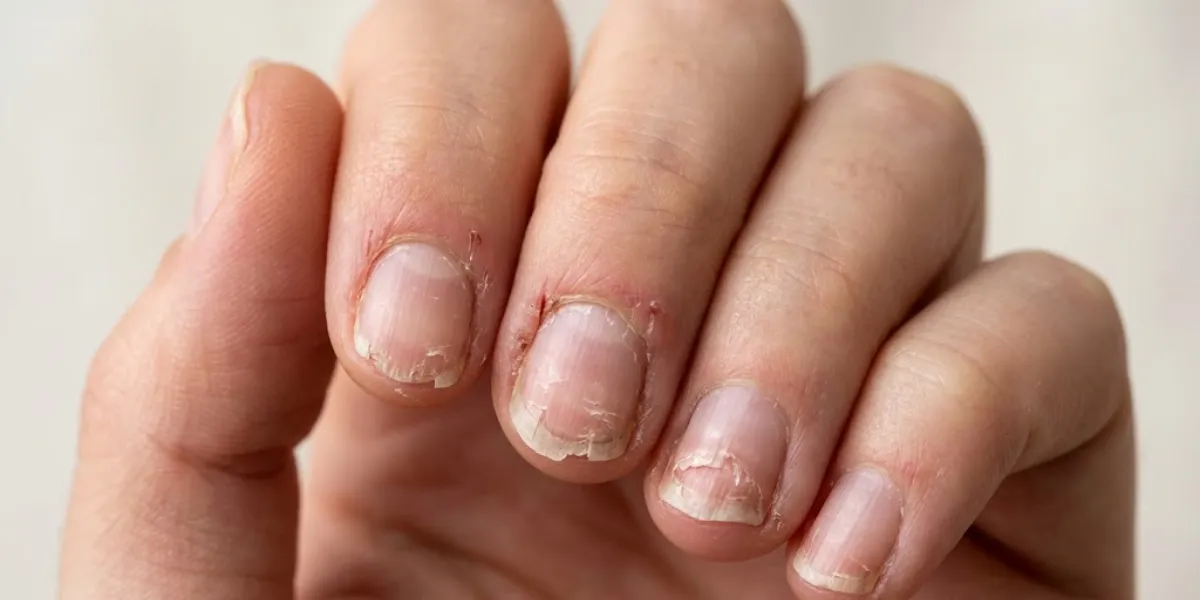
Few things are as frustrating as looking down at your hands and seeing your nails lifting and flaking apart. You try a manicure. It chips within days. You apply hand cream. Nothing improves. And the more you look, the worse it seems.
Here is the good news in most cases, nails peeling are not a sign of something serious. They are typically the result of everyday habits or nutritional gaps that you can identify and change.
This article covers 9 real, evidence-based causes of peeling, splitting, and brittle nails. For each cause, you will learn exactly why it happens, what specific signs point to it, and what to do to fix it starting today.
Quick summary
- Peeling nails are most often caused by water exposure, harsh chemicals, or physical trauma — all fixable with habit changes.
- Nutritional deficiencies (iron, biotin, zinc) and medical conditions (thyroid disorder, psoriasis, fungal infection) can also cause peeling.
- If both fingernails and toenails are peeling, suspect an internal cause and see your doctor.
- Most cases resolve within 2–6 months with consistent care.
- See a doctor if peeling is accompanied by yellow nails, fatigue, hair loss, or a skin rash.
Cause 1: Repeated Water Exposure (The Wet-to-Dry Cycle)
Why it happens
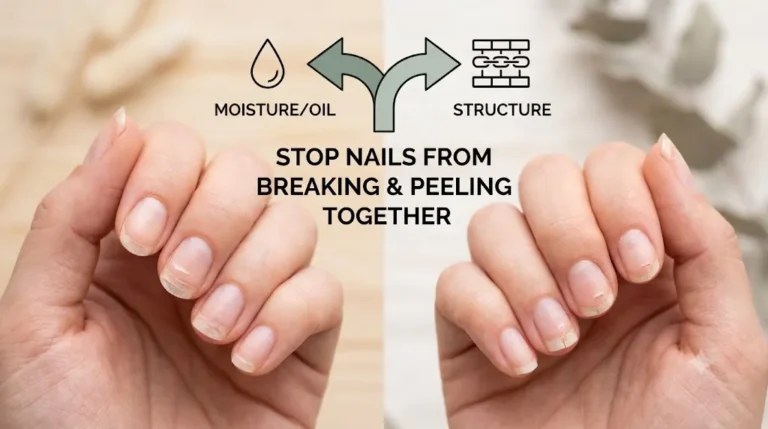
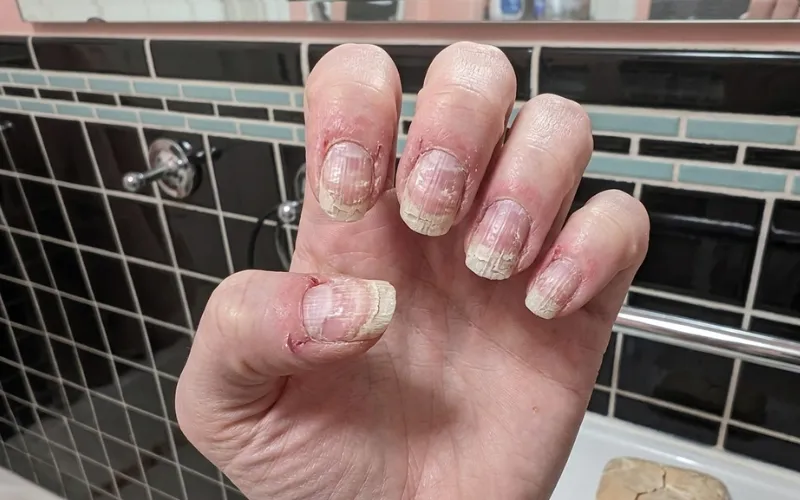
Your nails are made of keratin, a porous protein that absorbs water much like a sponge. Every time you wash dishes, shower, or wash your hands, your nail plate swells as it takes on moisture. When your nails dry, they contract back down. This constant cycle of swelling and shrinking — known as the wet-to-dry cycle — gradually breaks the bonds between nail layers, causing them to separate and peel.
Dermatologists consistently rank repeated water exposure as the single most common cause of peeling fingernails in otherwise healthy adults.
Signs that point to this cause
- Peeling gets noticeably worse after days with heavy handwashing, dishwashing, or long baths
- Your fingernails are peeling but your toenails are not (strongly suggests an external, not internal, cause)
- Flaking starts at the free edge of the nail and splits horizontally in thin layers
- Symptoms worsen in winter, after swimming in chlorinated pools, or after exposure to saltwater
How to fix it
- Wear cotton-lined rubber or nitrile gloves for all dishwashing and prolonged cleaning
- After any extended water exposure, dry hands thoroughly and apply cuticle oil within 60 seconds — before moisture evaporates
- Limit long soaks in hot water, which accelerates moisture loss from the nail plate once the bath is over
- If you use hand sanitiser frequently, always follow it with a moisturising cream or oil
- Apply a thin layer of nail oil before swimming or long showers to create a protective barrier to stop from nails peeling and breaking.
Cause 2: Harsh Chemicals (Acetone, Cleaning Products, Chlorine)
Why it happens
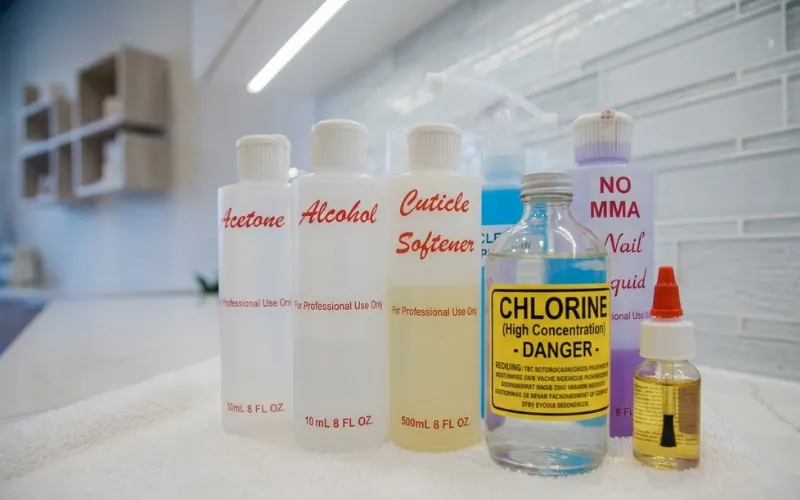
Acetone-based nail polish remover is one of the most damaging things you can regularly apply to your nails. Acetone dissolves the natural lipid barrier of the nail plate, stripping it of the oils that maintain flexibility and prevent cracking. The same applies to household cleaning products, chlorine in swimming pools, and saltwater. Without that protective lipid layer, the nail becomes dry, rigid, and prone to peeling and splitting.
Signs that point to this cause
- Peeling started or worsened after frequent use of acetone remover or after gel manicure removal sessions
- You regularly work with cleaning products or wash dishes without gloves
- Nails feel rough and look dull even when bare of polish
- The skin around your nails and on your fingertips also feels dry or cracked
How to fix it
- Switch to a non-acetone nail polish remover for everyday use
- Wear rubber or nitrile gloves whenever using any cleaning product, bleach, or detergent
- After swimming in a chlorinated pool or the ocean, rinse your hands with fresh water immediately and apply cuticle oil
- Take a break from gel manicures and acrylic nails if your nails are already compromised — the pre-application filing and acetone soak during removal both cause additional structural damage
- If you do wear gel, allow it to soak fully during removal and never scrape or force it off.
Cause 3: Physical Trauma (Biting, Picking, Using Nails as Tools)
Why it happens
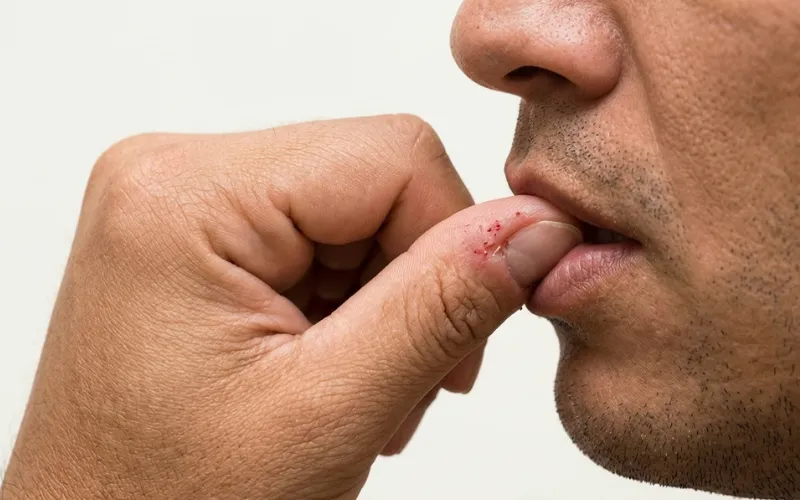
Your nails are not tools. Using them to open packages, scrape stickers, or pry open lids places repeated mechanical stress on the nail plate, especially at the free edge where peeling typically begins. Nail biting introduces both physical trauma and moisture from saliva, which weakens the nail further. Peeling off nail polish by hand — rather than dissolving it with remover — is particularly damaging because it strips away not just the colour but actual layers of the nail plate itself. Because fingernails grow only about 3 millimetres per month, this damage can persist for months.
Signs that point to this cause
- Peeling nails have visible chips, nicks, or ragged edges
- You notice peeling starting at the sides or tips of nails — where mechanical stress is greatest
- The peeling is worse on your dominant hand
- You have a habit of nail biting, picking at your cuticles, or peeling polish off rather than removing it properly
How to fix it
- Keep nails trimmed short to reduce the leverage that makes biting and picking easier
- Use the right tool for the job — scissors, box cutters, and letter openers instead of your fingernails
- Remove nail polish with a non-acetone remover and a cotton pad; never peel it off
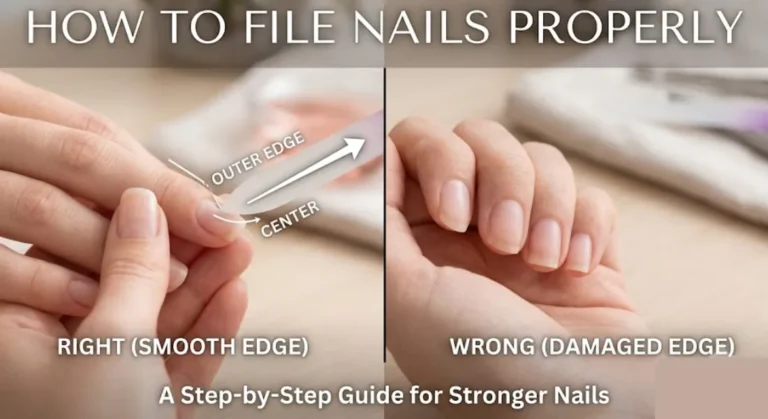
- When filing, use a glass nail file and stroke in one direction only — back-and-forth filing creates microscopic cracks at the nail edge that worsen peeling over time
- If nail biting is a persistent habit, consider a bitter-tasting deterrent polish or speak to a therapist, as it is often anxiety-related
Cause 4: Low Humidity and Dry Air
Why it happens
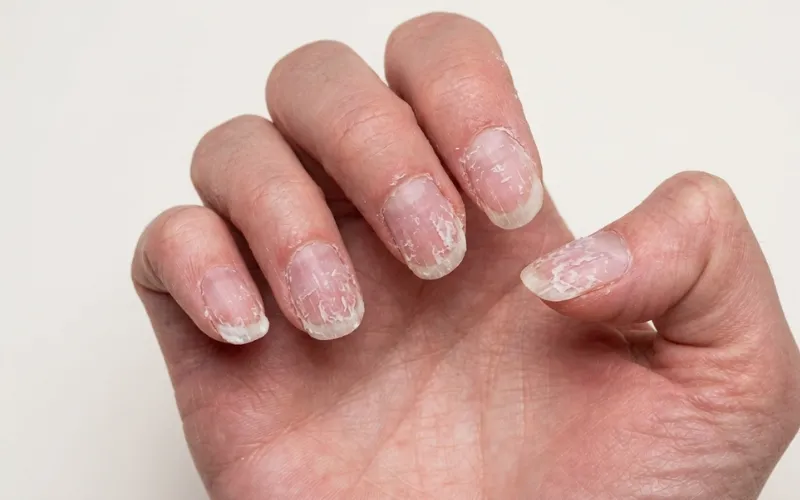
During winter months or in heavily air-conditioned environments, the moisture content of the air drops significantly. Unlike skin, nails cannot produce their own oils to compensate. Without sufficient ambient humidity, nails become dehydrated, rigid, and brittle. A brittle nail that bends even slightly — as happens constantly during normal use of your hands — cracks and peels rather than flexing.
Signs that point to this cause
- Peeling worsens noticeably in winter or whenever you spend extended time in heated or air-conditioned indoor air
- You notice nails cracking or splitting without any identifiable trauma
- Your hand skin also feels dry, tight, or flaky (a reliable sign that humidity is low)
- Running a humidifier at home produces a visible improvement in your nails within a few weeks
How to fix it
- Use a humidifier in your bedroom and main living space during dry months — aim for 40 to 50 percent relative humidity
- Apply oil-based moisturisers (squalene, castor oil, or jojoba oil) rather than water-based lotions — oils mimic the skin’s natural lipids and create a lasting moisture seal
- Moisturise hands and nails several times per day, especially after every handwash
- Apply cuticle oil before bed and wear thin cotton gloves overnight to allow deep overnight absorption
- Avoid prolonged time in heated indoor air with bare hands
Cause 5: Iron Deficiency
Why it happens
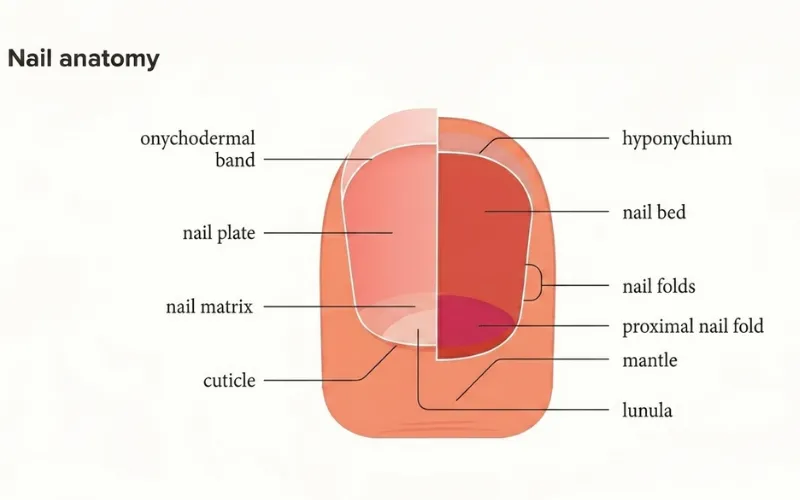
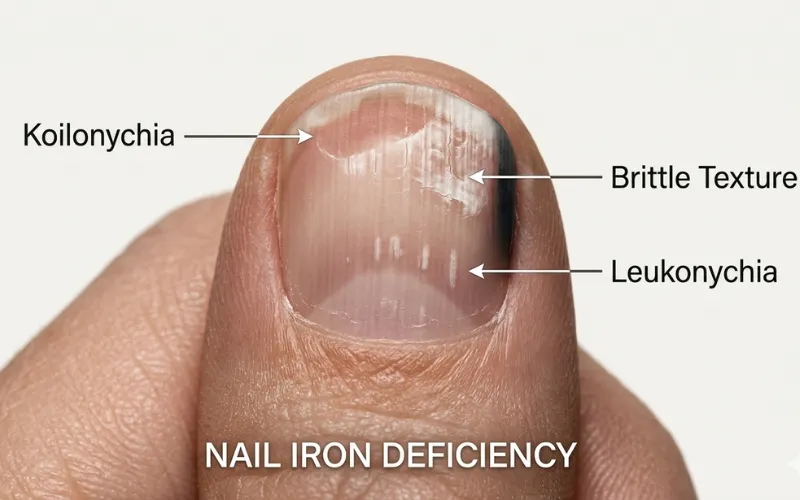
Iron deficiency is one of the most common nutritional causes of brittle, peeling nails globally. Iron is required to carry oxygen through the bloodstream to every tissue in the body — including the nail matrix, the structure beneath the base of the nail where new nail cells are formed. When iron levels are insufficient, the nail matrix cannot produce well-formed keratin, resulting in weak, thin nails that peel or develop a characteristic spoon-shaped curve, a condition clinicians call koilonychia.
According to the World Health Organization, iron deficiency is the world’s most widespread nutritional disorder, affecting an estimated 2 billion people — making it a common and often overlooked explanation for nail changes.
Signs that point to this cause
- Nail beds appear pale — the pink area under the nail looks washed out or almost white
- Persistent fatigue, low energy, or feeling cold even in a warm room
- Shortness of breath with mild physical activity
- Nails that look concave or spoon-shaped, not just flat
- You have heavy menstrual periods, follow a vegetarian or vegan diet, or have a history of anaemia
- Both fingernails and toenails are affected — a reliable signal of an internal rather than external cause
How to fix it
- Eat iron-rich foods regularly: spinach, lentils, lean red meat, white beans, fortified cereals, and baked potato with the skin
- Always pair iron-rich foods with vitamin C sources (citrus fruit, bell peppers, strawberries) — vitamin C can increase iron absorption by up to six times, according to research published in the American Journal of Clinical Nutrition
- Ask your doctor for a blood test including a complete blood count and serum ferritin level to confirm iron deficiency before supplementing
- If confirmed deficient, take a daily iron supplement at the dose recommended by your doctor
- Allow 3 to 6 months of treatment before expecting to see fully healthy nail regrowth — the old damaged nail must grow out first
Cause 6: Biotin and Other Nutritional Deficiencies
Why it happens
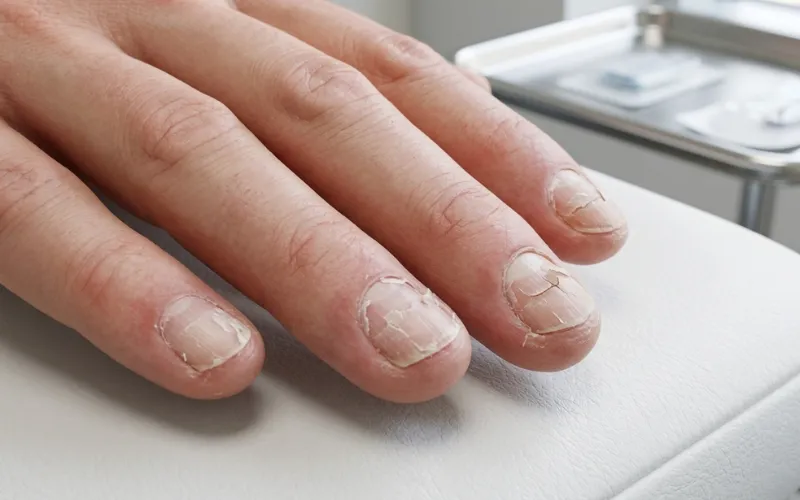
Biotin — also known as vitamin B7 — plays a role in the metabolism of amino acids and fatty acids that form the building blocks of keratin, the structural protein your nails are made of. A true biotin deficiency can result in thin, brittle, peeling nails. Other nutritional gaps that can weaken nails include deficiencies in zinc, vitamin A, vitamin C, vitamin D, and protein. These are more common in people following very restrictive diets, those with malabsorption conditions such as Crohn’s disease or coeliac disease, and during pregnancy.
Signs that point to this cause
- Nails peel despite consistent protection from water and chemicals
- Nails grow unusually slowly — less than 2 to 3 millimetres per month
- You also notice hair thinning or hair loss, as biotin and zinc deficiency affect both
- You follow a highly restrictive diet or have a diagnosed digestive disorder
- No other symptoms are present — no fatigue, no pale nail beds, no skin rash (which would suggest a different cause)
How to fix it
- Eat a varied, nutrient-dense diet daily
- Natural biotin sources include cooked eggs (particularly the yolk), salmon, almonds, walnuts, whole grains, avocado, mushrooms, and cauliflower
- For zinc: oysters, pumpkin seeds, chickpeas, and cashews are good sources
- If a supplement is appropriate, a biotin dose of 2.5 to 5 mg daily is commonly used — however, biotin supplementation is only effective if you have a genuine deficiency
- Important: Tell your doctor if you are taking biotin supplements before any blood tests. Biotin at high doses is known to interfere with thyroid hormone tests (TSH and free T4) and cardiac troponin assays, potentially producing false results, as flagged by the US Food and Drug Administration
- Improvement takes 2 to 3 months, as nails must grow out
Cause 7: Fungal Nail Infection (Onychomycosis)
Why it happens
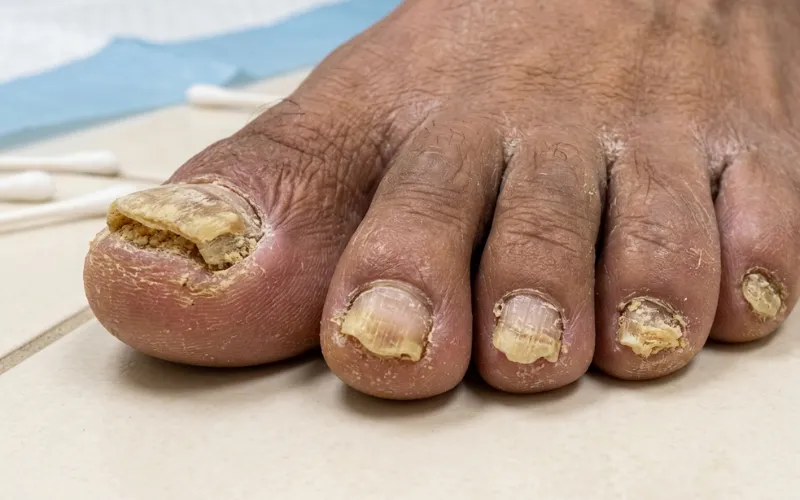
A fungal nail infection — clinically known as onychomycosis — is typically caused by dermatophyte fungi that invade the nail plate and the skin beneath it. Unlike the other causes on this list, a fungal infection does not merely weaken the nail from the outside. The fungus feeds directly on keratin, breaking down the nail’s structural layers from within. Left untreated, it causes progressive thickening, discolouration, and eventually crumbling of the nail.
Onychomycosis affects an estimated 10 percent of the general population worldwide, rising to around 20 percent in adults over 60, according to data published in the Journal of the American Academy of Dermatology.
Signs that point to this cause
- Yellow, white, green, or brown discolouration of the nail
- Nails that have become thickened and are difficult to trim
- A crumbling or powdery texture at the tip or sides of the nail
- An unpleasant, musty odour from the nail
- The nail is lifting away from the nail bed (onycholysis), creating a visible gap
- Peeling or crumbling begins at the free edge and progresses backward toward the cuticle
- Toenails are affected first in most cases, but fingernails can also become infected
How to fix it
- See a doctor or dermatologist for a confirmed diagnosis before beginning treatment — a nail clipping can be examined microscopically to identify the specific fungus
- Prescription topical antifungal lacquers such as ciclopirox or efinaconazole are used for mild to moderate infections
- For more severe or widespread infections, oral antifungal medication (terbinafine or itraconazole) is significantly more effective — typical treatment courses last 6 to 12 weeks
- Over-the-counter antifungal creams rarely work for nail infections because they cannot penetrate the nail plate to reach the fungus beneath
- Keep nails short, dry, and clean; wear moisture-wicking socks and breathable footwear
- Disinfect nail clippers and files after every use to avoid spreading the infection to other nails or other people
Cause 8: Thyroid Disorder (Hypothyroidism)
Why it happens
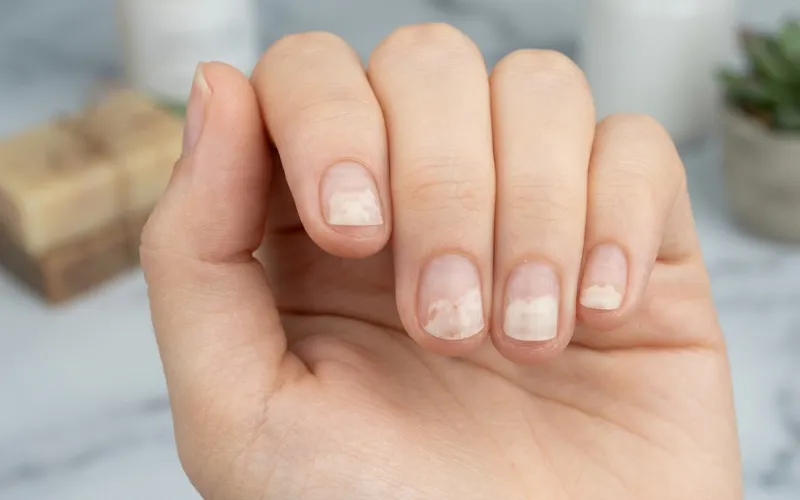
Thyroid hormones regulate metabolism throughout the entire body, including the activity of the nail matrix and the rate at which new nail cells form. In hypothyroidism an underactive thyroid reduced levels of thyroid hormone slow cell turnover in the nail matrix. The resulting nail cells are poorly formed, weak and prone to peeling and splitting. Thyroid-related nail changes often appear alongside a cluster of other whole-body symptoms that help distinguish this cause from external factors.
Signs that point to this cause
- Nails grow very slowly and seem to take an unusually long time to need trimming
- Brittle nails that break or peel easily, without significant water or chemical exposure
- Persistent fatigue, even after a full night of sleep
- Unexplained weight gain or difficulty losing weight despite no change in diet
- Hair thinning on the scalp and, notably, the outer third of the eyebrows
- Feeling cold when others around you are comfortable
- Dry skin, constipation, low mood, or muscle weakness alongside the nail changes
- Both fingernails and toenails are affected — suggesting an internal rather than external origin
How to fix it
- See your doctor for a TSH (thyroid-stimulating hormone) blood test — this is the primary screening test for hypothyroidism
- If hypothyroidism is confirmed, treatment is daily oral thyroid hormone replacement (levothyroxine), which is highly effective
- Thyroid levels typically normalise within 6 to 8 weeks of starting treatment; nail growth improves accordingly, but allow 3 to 6 months for fully healthy nails to grow through
- While waiting for medical treatment to take effect, protect nails with cuticle oil and wear gloves during wet tasks to limit further damage
- Do not take high-dose biotin supplements before thyroid blood testing, as biotin is known to falsely alter TSH results
Cause 9: Skin Conditions (Psoriasis and Eczema)
Why it happens
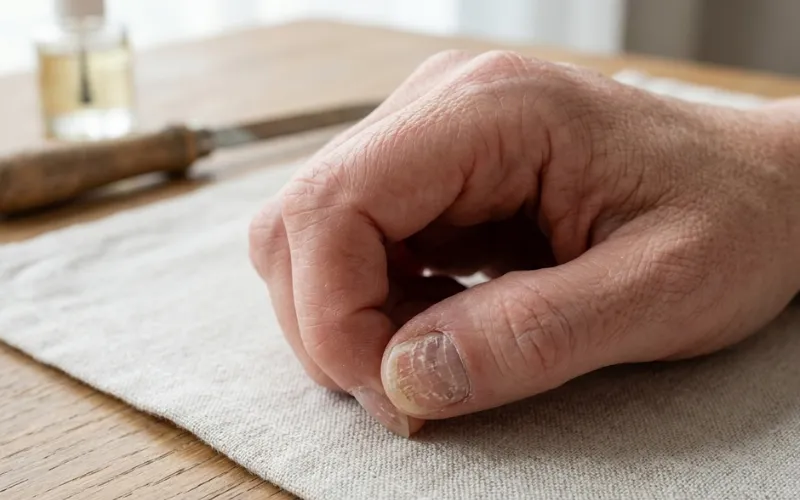
Both psoriasis and eczema are inflammatory conditions that can directly involve the nails. In psoriasis, the immune system accelerates skin cell turnover to an abnormal rate, disrupting the formation of the nail plate. In eczema, chronic inflammation and scratching of the surrounding skin damage the nail matrix and the cuticle over time.
Nail involvement is extremely common in psoriasis according to a review published in the Journal of the European Academy of Dermatology and Venereology, up to 50 percent of people with psoriasis develop nail changes at some point, and this figure rises to 80 percent in those with psoriatic arthritis.
Signs that point to this cause
- Small, shallow dents or pits on the nail surface (nail pitting) — a hallmark sign of nail psoriasis
- Horizontal or vertical ridges on the nail that feel rough when you run a finger across them
- The nail lifting away from the nail bed, starting at the tip (onycholysis)
- Yellow-red discolouration beneath the nail, sometimes described as resembling an oil droplet — another distinctive sign of psoriasis
- Scaly, red patches on the elbows, knees, scalp, or around the nails (psoriasis)
- Itchy, cracked, inflamed skin around the nails and on the hands (eczema)
- Peeling or crumbling nails in more advanced cases
How to fix it
- Treat the underlying skin condition under the guidance of a dermatologist — nail improvement follows skin improvement
- Topical corticosteroids such as clobetasol or betamethasone, applied carefully around and sometimes beneath the nail, can reduce nail inflammation
- For moderate to severe nail psoriasis, biologic medications or oral immunosuppressants may be recommended by your dermatologist
- Keep nails well-moisturized with castor oil or squalene daily to reduce brittleness
- Avoid aggressive buffing or filing of the nail surface — this worsens nail pitting and can trigger further inflammation
- Keep nails trimmed short and wear protective gloves during any tasks that could cause trauma to already weakened nails
- Be patient: nail psoriasis typically takes 6 to 12 months to show meaningful improvement with appropriate treatment
When to See a Doctor
Most nails peeling improve with consistent home care within 4 to 8 weeks. However, book an appointment with your doctor or a dermatologist if:
- Peeling has lasted longer than 2 to 3 months despite following the fixes above
- You notice yellow, thickened, or crumbling nails alongside peeling
- There is pain, bleeding, or swelling around the nail
- Peeling is accompanied by fatigue, hair thinning, unexplained weight changes, or a skin rash
- Both your fingernails and toenails are peeling this pattern strongly suggests an internal cause that warrants investigation
- You have a personal or family history of psoriasis, thyroid disease, or autoimmune conditions
Less commonly, peeling nails can be a sign of systemic conditions including lupus, scleroderma, Raynaud’s phenomenon, kidney disease, liver disease, or a side effect of medications such as retinoids. A doctor can rule these out with a physical examination and basic blood work.
One-Week Starter Routine for Healthier Nails
Every day:
- Apply cuticle oil or a nail oil containing jojoba, squalene, or vitamin E every morning and before bed
- After every handwash, apply a drop of oil to each nail before the skin fully dries
- Wear nitrile gloves for all dishwashing and cleaning tasks
Every week:
- Keep nails trimmed short and file with a glass nail file using a single-direction stroke only
- Give nails at least one full day per week completely free of nail polish to allow the nail plate to breathe
- If you want protection without full colour, a clear, breathable nail polish is fine — avoid plastic-based nail hardeners, which can trap moisture beneath the nail and prolong the peeling cycle
Lifestyle habits:
- Run a humidifier at home during autumn and winter months, targeting 40 to 50 percent humidity
- Apply moisturiser to hands before putting on gloves — the trapped warmth aids absorption
- Hydration from oils is more effective than water-based lotions for nail health — oils seal moisture in, lotions evaporate
Frequently Asked Questions
How long does it take for peeling nails to grow out and recover?
Fingernails grow approximately 3 millimetres per month. A full nail replacement cycle takes around 6 months. This means that even if you identify and correct the cause today, you should expect to see completely healthy nails in about 4 to 6 months. Toenails grow more slowly and can take 12 to 18 months to fully replace.
Does biotin actually help with peeling or brittle nails?
The evidence for biotin supplementation is modest and applies mainly to people with a genuine biotin deficiency. A 2017 review in Skin Appendage Disorders found that while some studies reported improvement in nail thickness with biotin supplementation, most were small and uncontrolled. If you are considering biotin supplements, discuss it with your doctor first — high-dose biotin is known to interfere with certain thyroid and cardiac blood tests.
Can nails peeling indicate a serious medical condition?
In the majority of cases, no. Research published in the Journal of Clinical and Aesthetic Dermatology suggests that nearly 20 percent of the global population experiences brittle or peeling nails at some point, with lifestyle and environmental factors being the most common explanation. That said, if peeling is sudden, severe, or accompanied by fatigue, hair loss, unexplained weight changes, or a skin rash, it is worth seeing a doctor to rule out thyroid disease, iron deficiency, or an inflammatory skin condition.
Should I use a nail strengthener or nail hardener for peeling nails?
Most nail hardeners are plastic-based coatings that sit on top of the nail plate rather than penetrating it. They can trap moisture inside an already waterlogged nail, preventing it from drying and recovering properly. The exception is nail treatments containing hydrolysed keratin or calcium — these may offer some structural benefit. In general, consistent hydration with oils and protection from water and chemicals will outperform any topical hardener.
How do I tell whether my nails peeling is from an external cause or an internal one?
Compare your fingernails and toenails. If your fingernails are peeling but your toenails look normal — or vice versa — this strongly points to an external cause such as water exposure, chemicals, or repeated trauma to one set of nails. If both fingernails and toenails are peeling simultaneously, this pattern suggests an internal cause such as a nutritional deficiency, thyroid disorder, or systemic skin condition.
Is it normal for nails to peel more in winter?
Yes. Cold air holds less moisture than warm air, and indoor heating reduces humidity further. The combination creates an environment that dehydrates nails rapidly. Running a humidifier and switching from lotion to an oil-based moisturiser in winter are the two most effective adjustments.
The Bottom Line
Nails Peeling are rarely a cause for alarm. In the vast majority of cases, they trace back to a handful of correctable habits — too much water contact, chemical exposure, physical trauma, or a nutritional gap that is straightforward to address.
Start with the cause that best matches your life. If you wash your hands constantly because of your work, prioritise nail oil and gloves. If you are a regular gel manicure client, take a break and let your nails recover. If you have been feeling persistently tired alongside the nail changes, ask your doctor to check your iron levels and thyroid function.
With consistent protection, the right nutrition, and a little patience, your nails can and will grow back stronger. And if three months of diligent care brings no improvement — or if yellow, thickened, or crumbling nails develop — that is your signal to book a dermatology appointment rather than continue self-treating.
Your nails grow slowly, but they do grow. Give them the right conditions, and they will take care of the rest.
Sources: World Health Organization — Micronutrients and iron deficiency (who.int); American Academy of Dermatology — Nail health and nail conditions (aad.org); U.S. Food and Drug Administration — FDA warning on biotin interference with lab tests (fda.gov).