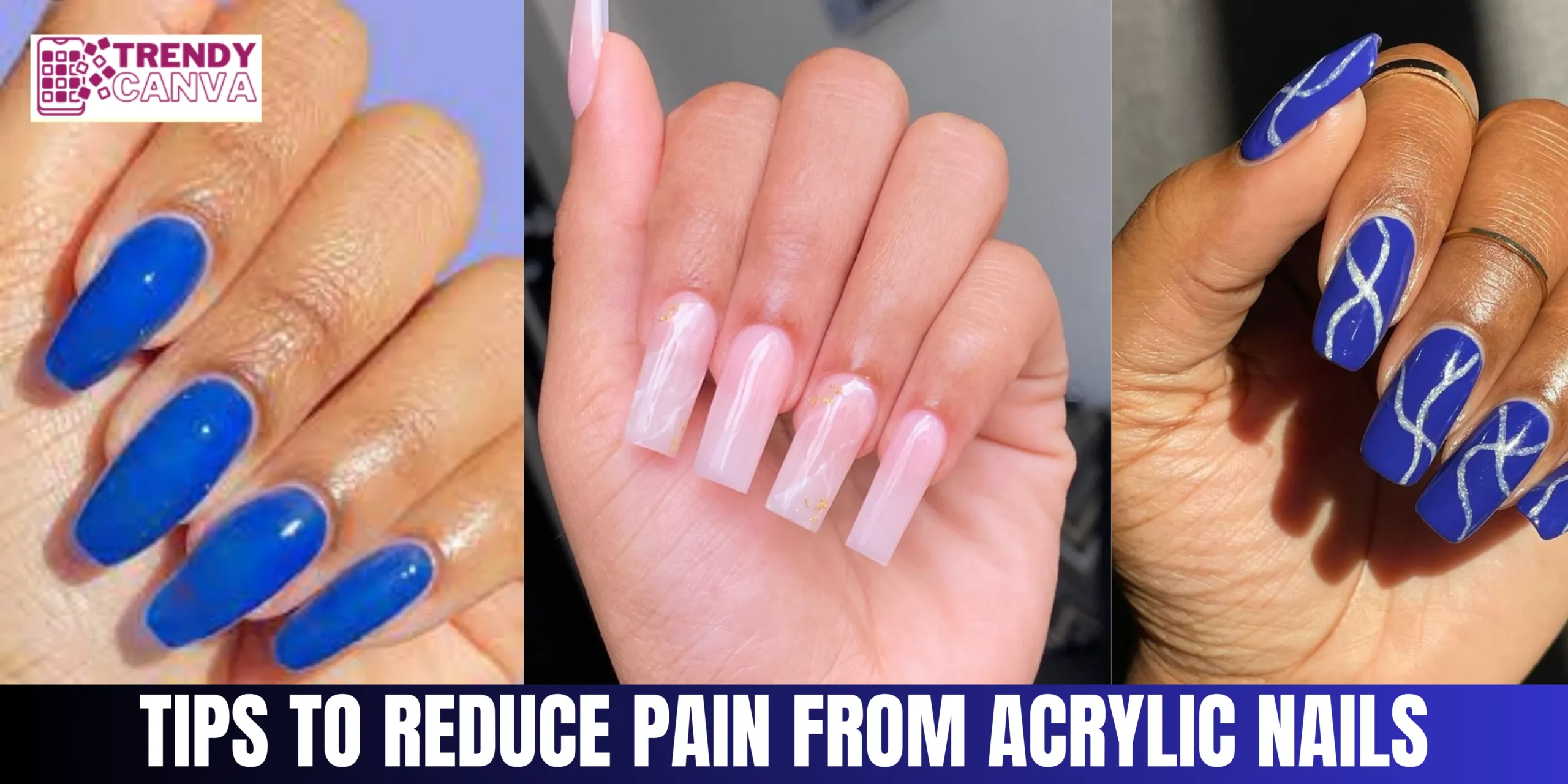
Tips to Reduce Pain from Acrylic Nails
Acrylic nails are one of the most requested services at my desk — they’re strong, they hold shape well, and they let clients wear lengths and designs their natural nails could never support. But I also hear the same complaint often enough to know it’s real: “why do my nails hurt after acrylics?” If you’re dealing with soreness, tightness, or throbbing after a fresh set, here’s what’s actually causing it and what genuinely helps.
Why Acrylic Nails Hurt
1. Over-Filing or an Improper Fit
Pain right after your appointment is usually a technique issue rather than something wrong with you. Filing the natural nail plate too thin makes it hypersensitive to pressure and temperature. A nail form that’s too tight for your nail bed puts constant pressure on the sides, and one that’s too large or heavy pulls at the natural nail with every knock. If a set hurts from day one and doesn’t ease up, that’s worth mentioning to your technician — or getting a second opinion from another salon.
2. Nail Trauma
Thick, long acrylics catch on things — keyboards, zippers, car doors — far more than your natural nails ever did. Every one of those small knocks transmits force straight down to the nail bed. Typing, opening cans, and other everyday pressure can also ache simply because you’re not used to the extra length and rigidity yet.
3. Allergic Reactions
Some people are sensitive to the acrylic monomer or the adhesives used in application. This shows up as redness, itching, swelling, or a burning sensation around the nail — not deep throbbing pain. If you notice this pattern, ask your salon about odorless/low-odor (methacrylate-based) formulas or consider switching to gel or dip powder instead.
4. Infection
Poor sanitation during application, or the natural nail lifting away from the acrylic and trapping moisture underneath, can lead to infection. Watch for redness, swelling, warmth, throbbing pain, or any pus — this needs a doctor, not a home remedy.
5. Weak or Damaged Natural Nails
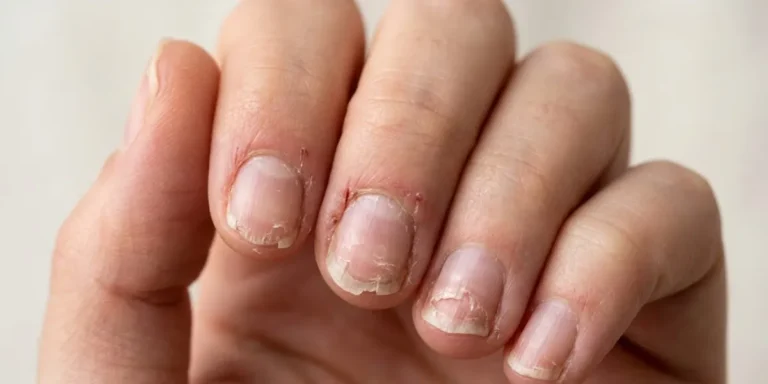
If your natural nails were already thin, peeling, or damaged before your appointment, adding weight and rigidity on top can aggravate them further, especially in the first few days.
6. Normal Curing Tightness
A snug, slightly achy feeling in the first 24–48 hours after a fresh set is common and usually harmless — it’s the product curing and your nail bed adjusting to the new shape and weight. If it hasn’t eased up after two or three days, one of the causes above is more likely the culprit.
How to Reduce Pain from Acrylic Nails
1. Choose an Experienced Technician
This is the single biggest factor. A skilled tech files just enough to remove shine (not thin the plate), uses a properly sized form, and applies even pressure. If a salon regularly leaves you sore, that’s feedback worth acting on.
2. Keep Your Hands Dry During Daily Tasks
Wear gloves for dishes and cleaning. Water that seeps under a lifted edge softens the natural nail and makes it far more sensitive to pressure and bumps.
3. Moisturize the Cuticle Area Daily
Dry, cracked cuticles around a rigid acrylic edge are a common source of low-grade irritation. A cuticle oil applied morning and night keeps the skin flexible and reduces that constant tightness.
4. Ask About Hypoallergenic Products
If you suspect a sensitivity, tell your technician before your next fill — many salons stock low-odor or hypoallergenic monomer as an alternative.
5. Give Your Nails a Rest Between Sets
Every few months, take a break and let your natural nails breathe and regrow before your next full set. Continuous wear without a break is one of the most common reasons nails stay thin and sensitive long-term.
6. Don’t Ignore Ongoing Pain
Curing tightness fades within a couple of days. Redness, swelling, warmth, or pain that gets worse rather than better is a sign to see a doctor, not to wait it out.
Most soreness from acrylics comes down to technique, fit, and aftercare rather than the product itself — a well-applied set from an experienced technician, paired with daily moisturizing and reasonable breaks between fills, should feel secure, not painful. For more nail care guides, visit our Pinterest page.
Related Content:
- 4 Best Ways to Remove Dip Powder Nails at Home Without Acetone
- How To Get Rid of Green Nails After False Nails