
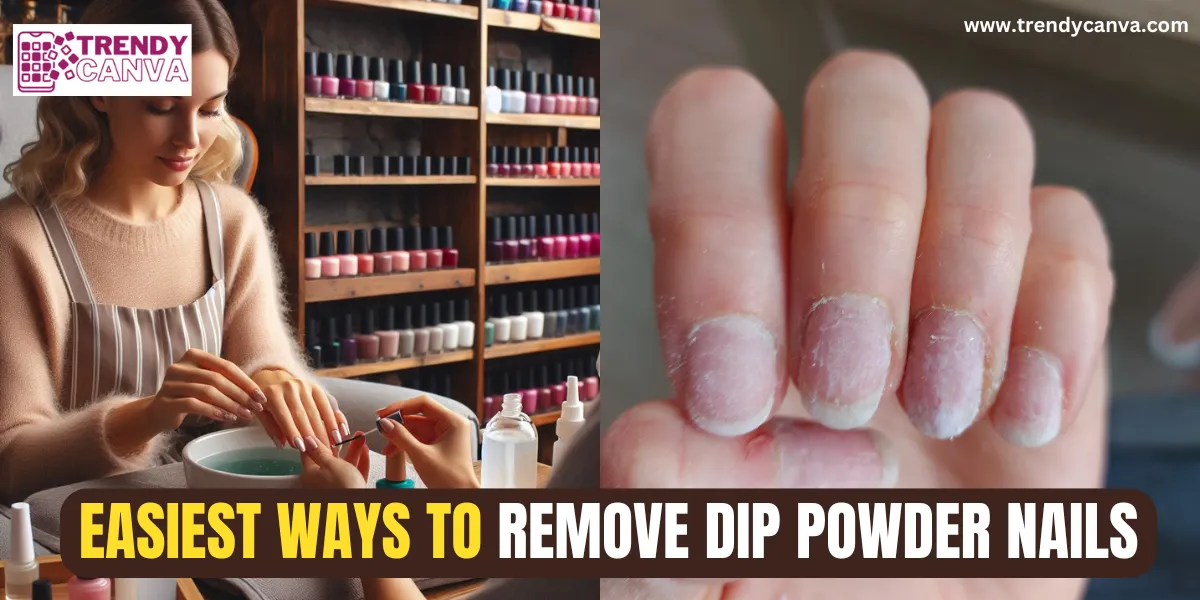
4 Best Ways to Remove Dip Powder Nails at Home Without Acetone
You can remove dip powder at home without acetone using rubbing alcohol, white vinegar, a baking soda and toothpaste paste, or a warm oil soak. File off the shiny top coat first, then soak for 15 to 40 minutes depending on the method and lift the softened powder gently.
In This Guide
As a nail technician, this is one of the questions I hear most at the desk. This guide walks through all four methods side by side, so you can pick the one that fits what is already in your bathroom cabinet, plus the prep and aftercare that decide whether your natural nails come out healthy.
If your nails feel sore or thin afterwards, read our tips to reduce pain from acrylic nails, and see how to get rid of green nails after false nails if you notice discoloration.
Why Skip Acetone in the First Place
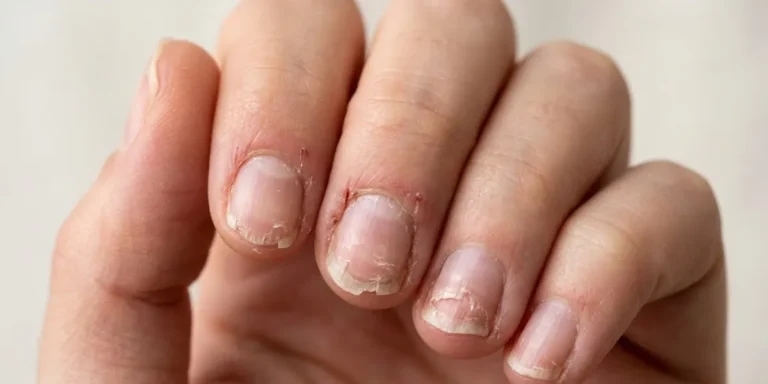
Acetone works fast, but it is a solvent that strips moisture from the nail plate and the surrounding skin every time you use it. If your nails are already thin or peeling, or you remove dip powder often, that dryness adds up. None of the methods below are as fast as an acetone soak, but they are gentler and most use things you already own.
What You’ll Need
- Nail file (180-grit is ideal)
- Buffer
- Orangewood stick or cuticle pusher
- Small bowl
- Aluminum foil (for the soak methods)
- Hand lotion or cuticle oil
- One of: rubbing alcohol (70%+), white vinegar, baking soda and toothpaste, or olive or coconut oil
Step 1: Prep Every Time, Regardless of Method
Trim any extra length first, then gently file away the shiny top sealant coat. You are not trying to file off the color, only to break the glossy seal so the solvent can reach the powder underneath. Skipping this step is the number one reason these methods feel like they do not work.
Method 1: Rubbing Alcohol Soak
This is the fastest of the four non-acetone options. Soak cotton balls in high-proof (70%+) rubbing alcohol, press one onto each nail and wrap each finger tightly in a small square of foil. Leave them for 15 to 20 minutes, then gently push at the softened powder with a cuticle pusher. It should lift in small flakes rather than sheets, so be patient and do not force it.
Method 2: White Vinegar Soak
Vinegar is milder than alcohol and takes longer, but it suits sensitive skin. Soak cotton balls in white vinegar (or mix it half and half with warm water), wrap each nail in foil and leave for 25 to 30 minutes. Work in a ventilated room because the smell is strong. Expect to repeat the soak once if a lot of powder remains.
Method 3: Baking Soda and Toothpaste Paste
Mix white, non-gel toothpaste with baking soda into a thick paste and apply a generous layer to each filed nail. Leave it for 15 to 20 minutes, then scrub gently in small circles with an old toothbrush for two to three minutes. A short soak in warm water afterwards makes the last bits easier to push off. It takes more effort than the others, but most people already have the ingredients.
Method 4: Oil Treatment
This is the gentlest and slowest option. Warm a small bowl of olive, coconut or cuticle oil and soak your filed nails for 30 to 40 minutes, topping up the warmth if it cools. The oil softens the powder from the edges in rather than dissolving it, so it works best when you are not in a rush and want your cuticles to look better afterwards.
Finishing Up: Buff and Moisturize
Once most of the powder has lifted, buff away any residue with a soft buffer. Do not scrape or pick at stubborn spots; repeat your chosen soak for another 10 to 15 minutes instead. Wash your hands, then massage in cuticle oil followed by a thicker hand cream. Your natural nails will feel thin and flexible right after removal, which is normal, so give them a few days before your next set.
Safety Precautions
- Never pry, scrape or peel powder that has not softened. That is what takes layers off your natural nail, not the removal method itself.
- Skip the soak if you have open cuts or active irritation around the nail, and see a doctor if redness or swelling does not settle within a day or two.
- If you remove dip powder often, alternate methods and give your nails a bare week between sets when you can.
How to Choose the Right Method
Choose rubbing alcohol when you want the fastest result, vinegar if your skin is sensitive, the baking soda paste when you only have pantry items, and the oil soak when you are not in a hurry and want soft cuticles. If you would rather not wait, a professional acetone soak-off at a salon is still the fastest option; ask your technician to buff lightly rather than drill.
Last Thoughts
All four methods take longer than an acetone soak, and that is the trade-off: you spend time instead of stripping moisture. Prep well, be patient and moisturize afterwards, and your natural nails will recover quickly. For more nail care guides and design inspiration, visit our Pinterest page.




2 Comments