
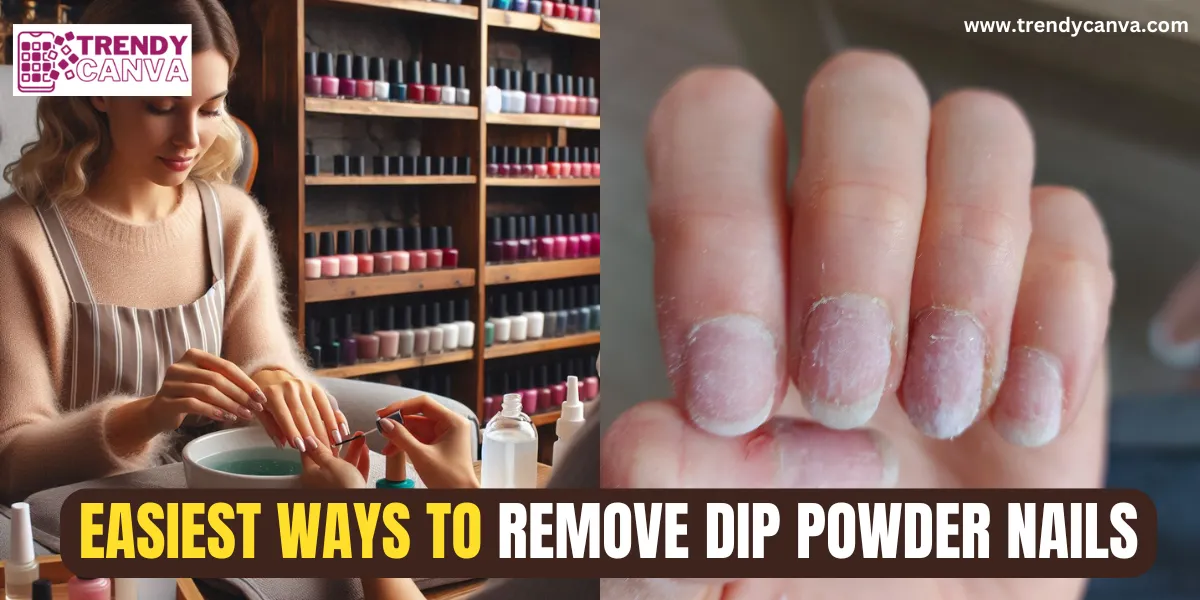
4 Best Ways to Remove Dip Powder Nails at Home Without Acetone
Dip powder sets are gorgeous and durable, but they leave you with a hard problem when you’re ready for a change: how do you get them off without soaking your hands in acetone? As a nail technician, this is one of the questions I hear most at the desk. The good news is you have real, effective options — alcohol, vinegar, a baking-soda-and-toothpaste paste, or a simple oil soak will all lift dip powder off safely if you give them enough time and skip the shortcuts.
This guide walks through all four methods side by side so you can pick the one that fits what’s already in your bathroom cabinet, plus the prep work and aftercare that actually determines whether your natural nails come out of this healthy or wrecked.
Why Skip Acetone in the First Place
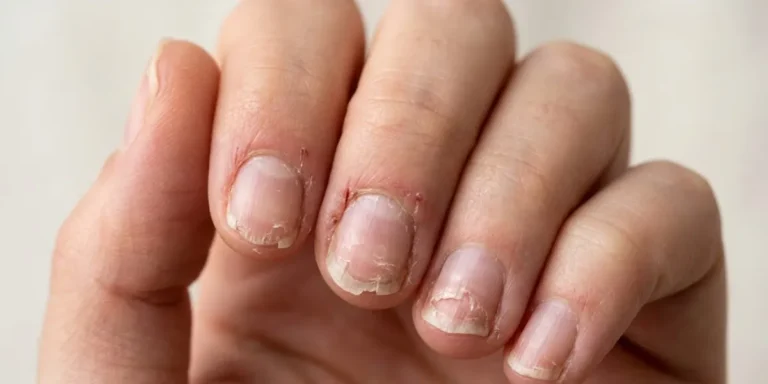
Acetone works fast, but it’s a solvent — it strips moisture from the nail plate and the surrounding skin every time you use it. If your nails are already thin, peeling, or you’re removing dip powder often, that dryness adds up. None of the methods below are as fast as an acetone soak, but they’re gentler, and most use things you already own.
What You’ll Need
- Nail file (180-grit is ideal)
- Buffer
- Orangewood stick or cuticle pusher
- Small bowl
- Aluminum foil (for the soak methods)
- Hand lotion or cuticle oil
- One of: rubbing alcohol (70%+), white vinegar, baking soda + toothpaste, or olive/coconut oil
Step 1: Prep Every Time, Regardless of Method
Trim any extra length first, then gently file away the shiny top sealant coat with your nail file. You’re not trying to file off the color — just break the glossy seal so whichever solvent you use can actually reach the powder underneath. Skipping this step is the #1 reason any of these methods feel like they “don’t work.”
Method 1: Rubbing Alcohol Soak
This is the fastest of the four non-acetone options. Soak cotton balls in high-proof (70%+) rubbing alcohol, press one onto each nail, and wrap each finger tightly in a small square of foil. Let them sit for 15–20 minutes, then gently push at the softened powder with a cuticle pusher — it should lift in small flakes rather than sheets, so be patient and don’t force it.
Method 2: White Vinegar Soak
Vinegar is milder than alcohol and takes longer, but it’s a good option if you have sensitive skin. Mix warm water and white vinegar in equal parts, or soak cotton balls in vinegar directly, wrap each nail in foil, and leave for 25–30 minutes. Work in a ventilated room — the smell is stronger than you’d expect. Expect to repeat the soak once if a lot of powder remains.
Method 3: Baking Soda & Toothpaste Paste
Mix white, non-gel toothpaste with baking soda into a thick paste and apply a generous layer to each filed nail. Let it sit for 15–20 minutes, then scrub gently in small circles with an old toothbrush or nail brush for two to three minutes. A short soak in warm water afterward makes the last bits easier to push off. This method takes more elbow grease than the others, but it’s the one most people already have on hand.
Method 4: Oil Treatment
The gentlest and slowest option. Warm a small bowl of olive, coconut, or cuticle oil and soak your filed nails for 30–40 minutes, topping up the warmth if it cools. The oil softens the dip powder from the edges in rather than dissolving it outright, so this works best if you’re not in a rush and want your cuticles to come out of it looking better than when you started.
Finishing Up: Buff and Moisturize
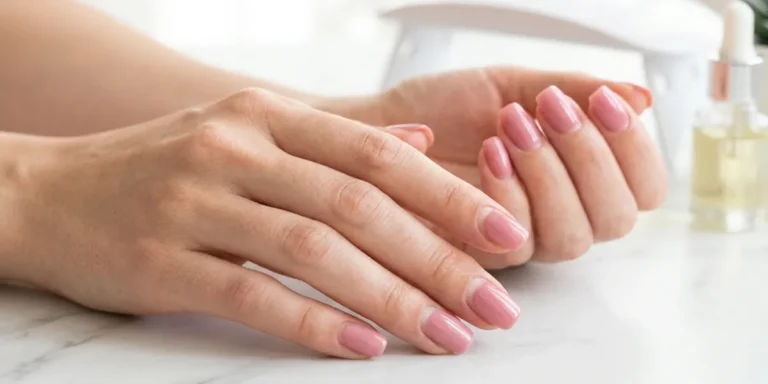
Whichever method you use, once most of the powder has lifted, buff away any remaining residue with a soft nail buffer — don’t scrape or pick at anything that’s still stubborn, just repeat your chosen soak for another 10–15 minutes instead. Finish by washing your hands, then massaging in cuticle oil followed by a thicker hand cream to lock in moisture. Your natural nails will feel thin and flexible right after removal; that’s normal; give them a few days before your next set.
Safety Precautions
- Never pry, scrape, or peel at powder that hasn’t softened — that’s what takes layers off your natural nail plate, not the removal method itself.
- Skip the soak entirely if you have any open cuts or active irritation around the nail, and see a doctor if redness or swelling doesn’t settle down within a day or two.
- If you remove dip powder often, alternate methods and give your nails a bare week between sets when you can — the removal process is more taxing on your nails than the wear itself.
All four of these methods take longer than an acetone soak, and that’s the trade-off — you’re spending time instead of stripping moisture. If you’d rather not wait around, a professional acetone soak-off at a salon is still the fastest, safest option; ask your tech to buff lightly rather than drill, which is gentler on the nail plate either way.
For more nail care guides and design inspiration, visit our Pinterest page.
Related Content:




2 Comments