
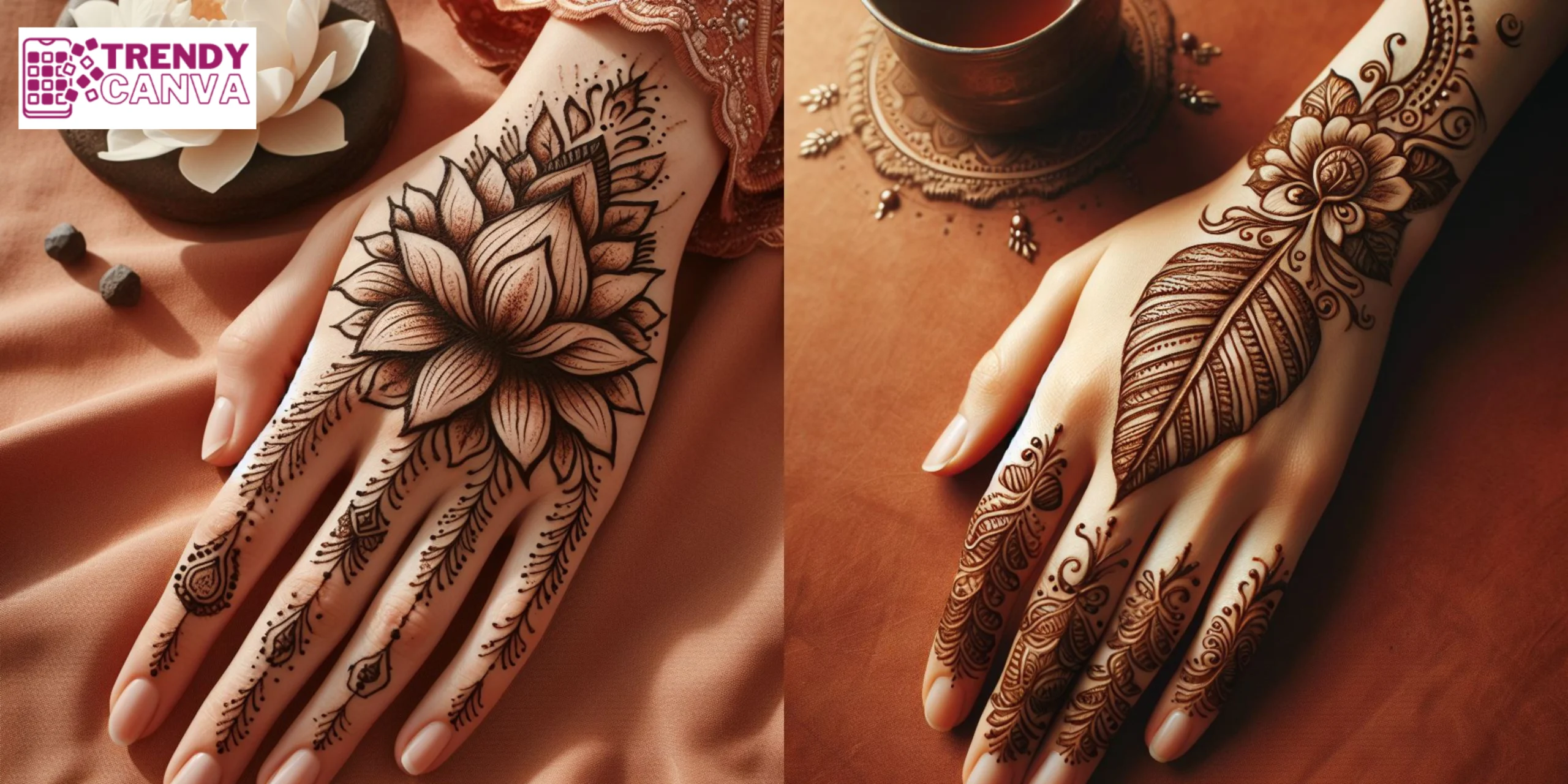
20 Trending Back Hand Mehndi Designs for 2026
Mehndi, or henna, has an ancient history, but the back of the hand has become one of its most popular modern canvases. It’s visible while you’re holding a bouquet, wearing bangles, or greeting guests — which is exactly why back hand designs photograph better than most palm patterns.
Over the past few years, stylish and modern back hand mehndi has become the go-to choice for anyone who wants a trendier, more photogenic alternative to dense traditional coverage.
This guide covers 20 of the most requested back hand mehndi designs for 2026, drawing on classic Indian motifs as well as the newer trends — bracelet-inspired jewelry patterns and bold Moroccan geometrics — that are dominating this year. For a full-palm look instead, our front hand mehndi designs guide covers that side of the hand.
2026 Trend Shift: What’s New in Back Hand Mehndi
Three trends stand out this year. Jewelry-inspired mehndi — bracelet and cuff patterns that wrap the wrist and connect to a small motif on the back of the hand — is one of the most requested looks, since it mimics real jewelry without needing to wear any. Moroccan-style geometric patterns (interlocking diamonds and hexagonal fills) are also gaining ground as an alternative to floral-heavy designs. And personalization — working in initials, a wedding date, or a partner’s name — is now expected for bridal work rather than optional. Occasion matters too: Eid and daytime functions tend to favor lighter, faster designs, while bridal and reception looks lean into fuller coverage. If personalization is what you’re after, our engagement mehndi designs guide has more on that.
Stylish Modern Back Hand Mehndi Designs
1. The Minimalistic Floral Design
A single floral cluster on the back of the palm keeps the design simple and elegant without covering the whole hand — the natural henna tone stays visible rather than getting buried under dense patterning.
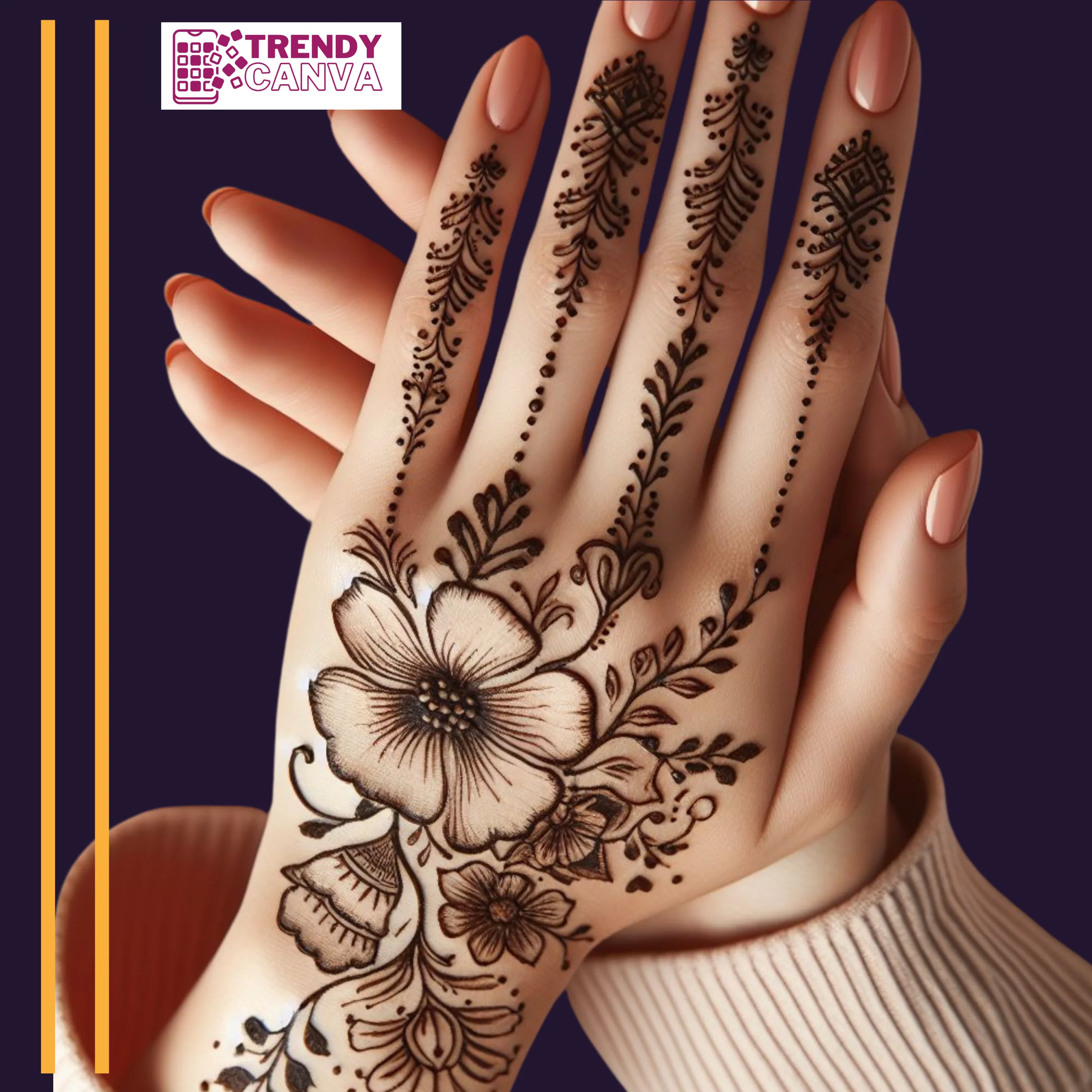
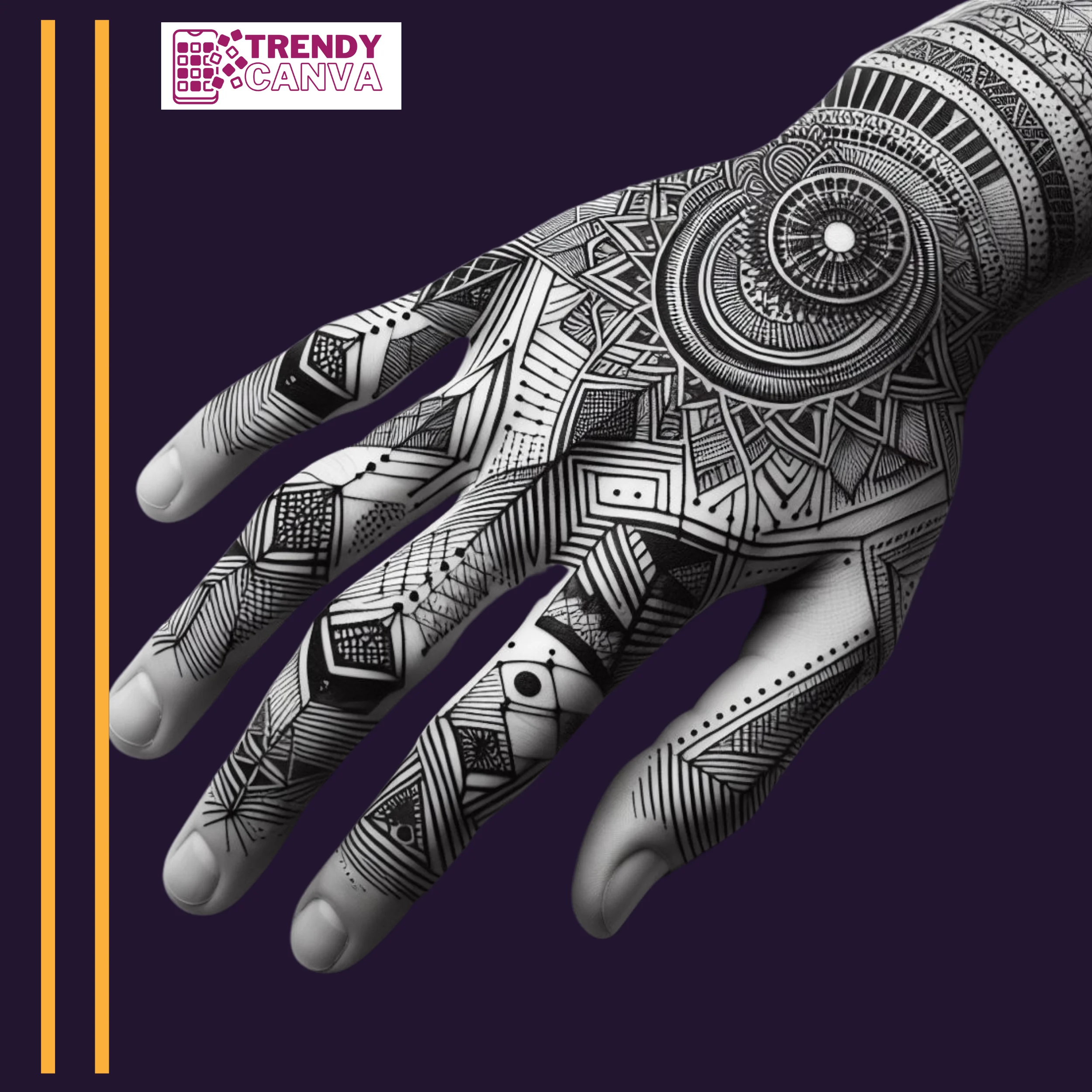
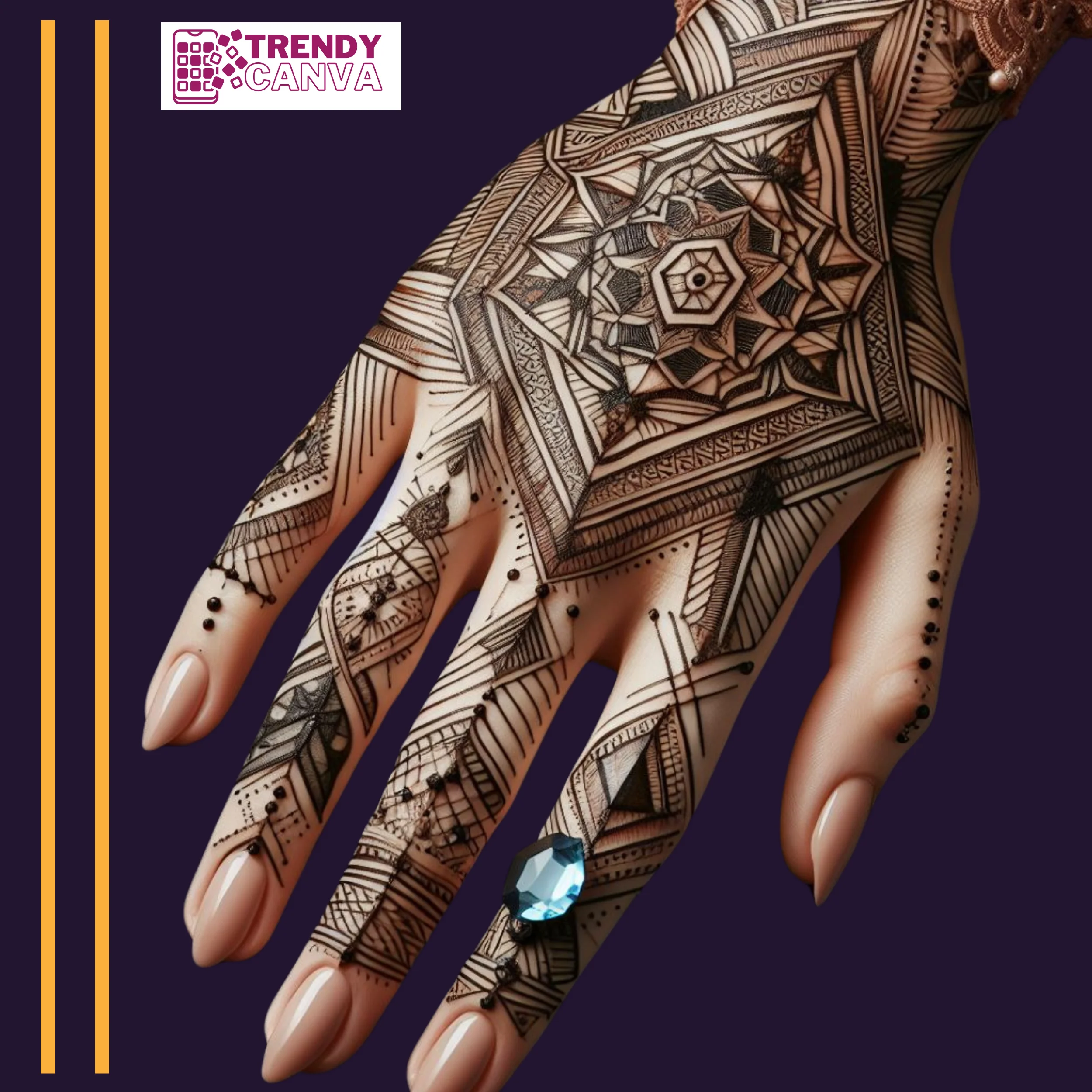
2. The Geometric Pattern
Clean geometric lines modernize a traditional layout fast, and they take noticeably less time to apply than dense florals — a practical pick if you’re short on sitting time.
Must Read: Best Modern Royal Front Hand Mehndi Designs Ideas 2024
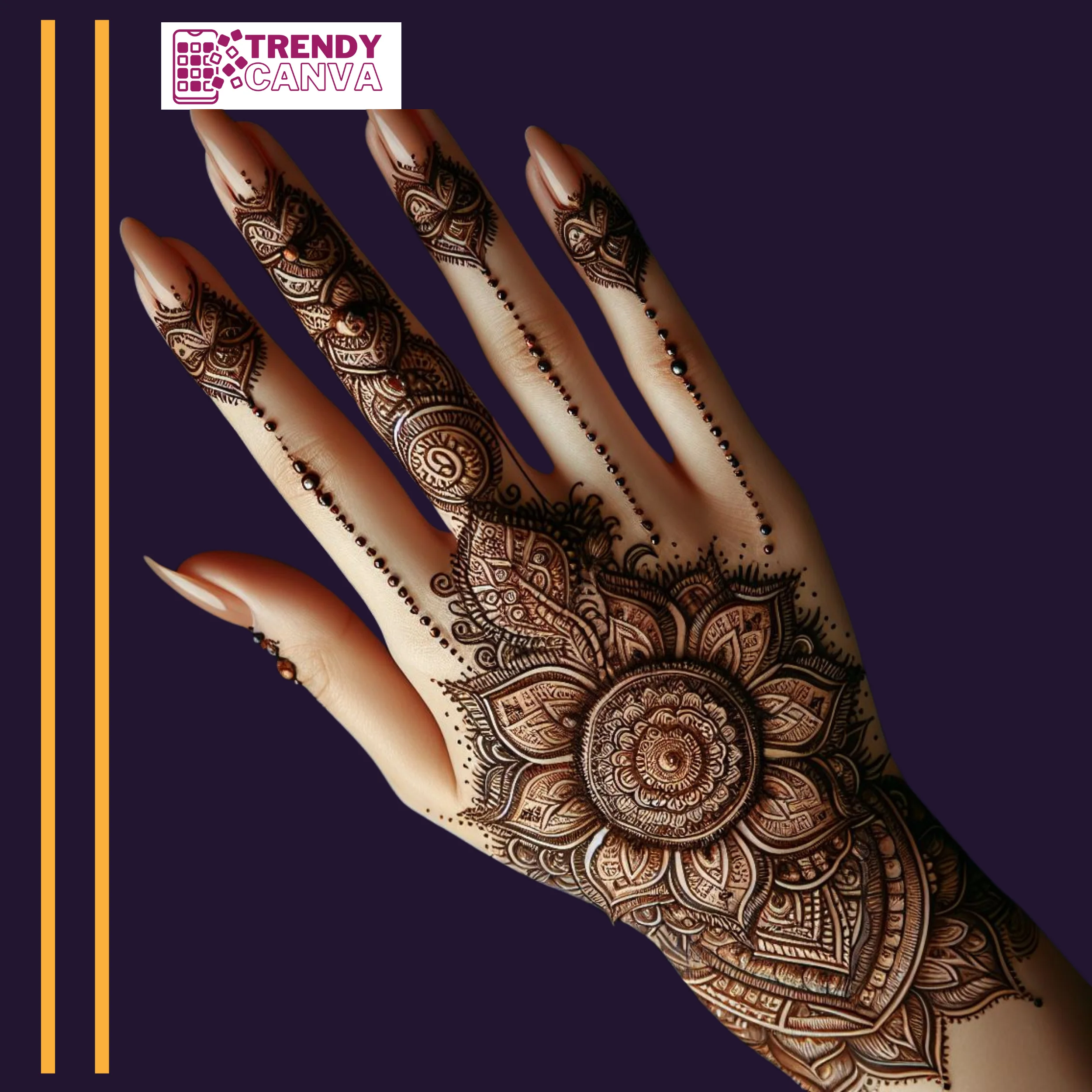
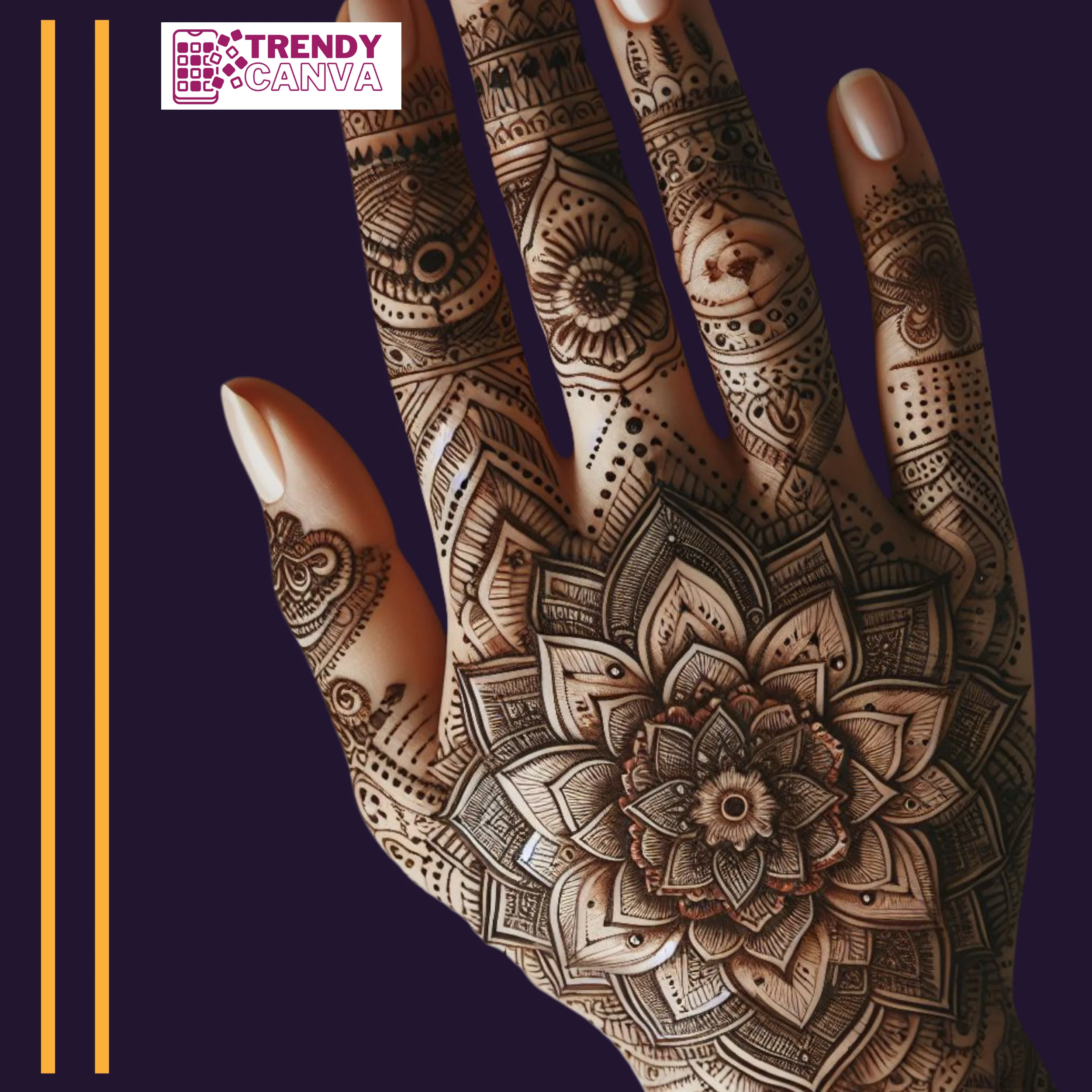
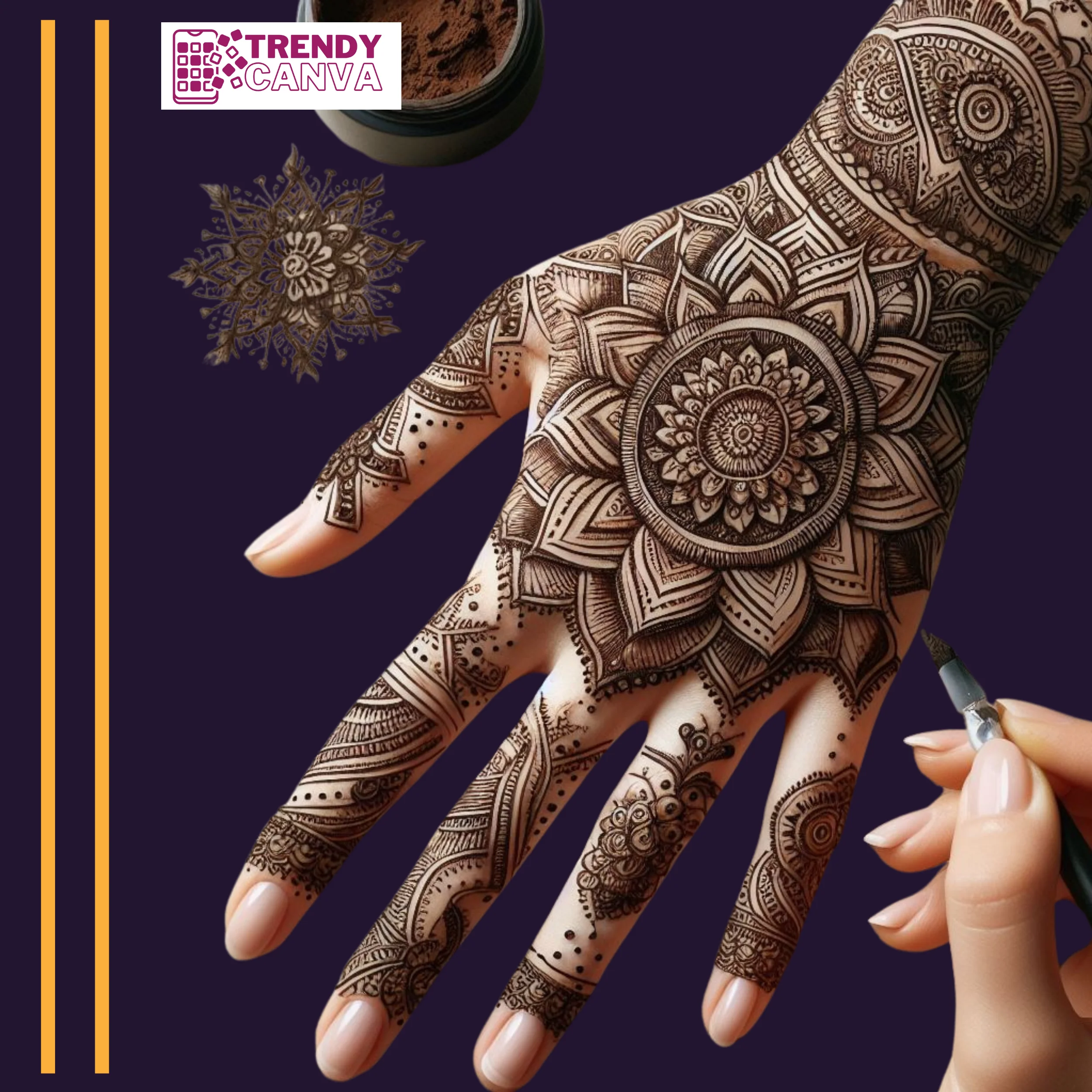
3. The Intricate Mandala
A centered mandala relies on symmetry to do the work — small variations in spacing are more noticeable here than in any other layout, so it rewards an artist who works carefully.
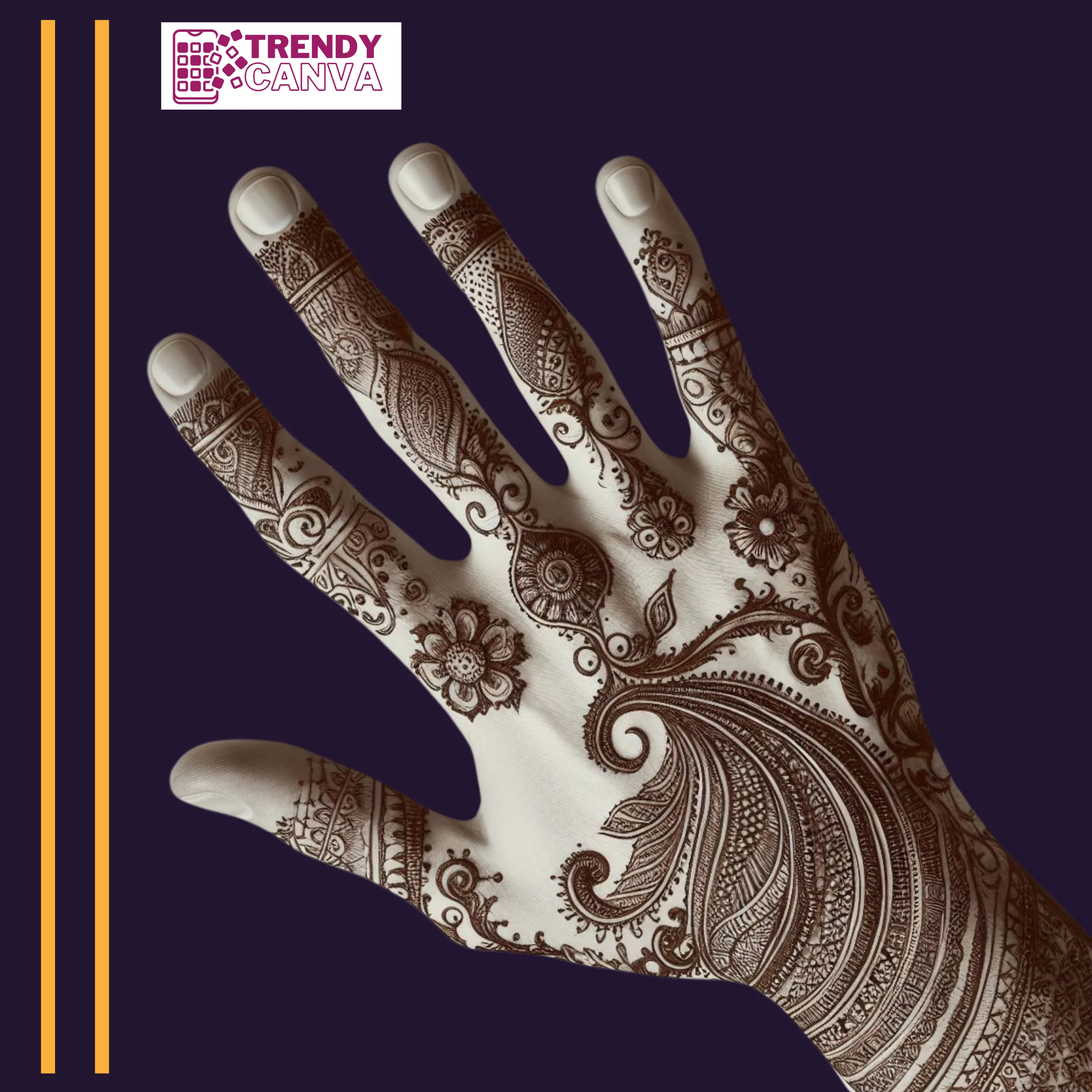
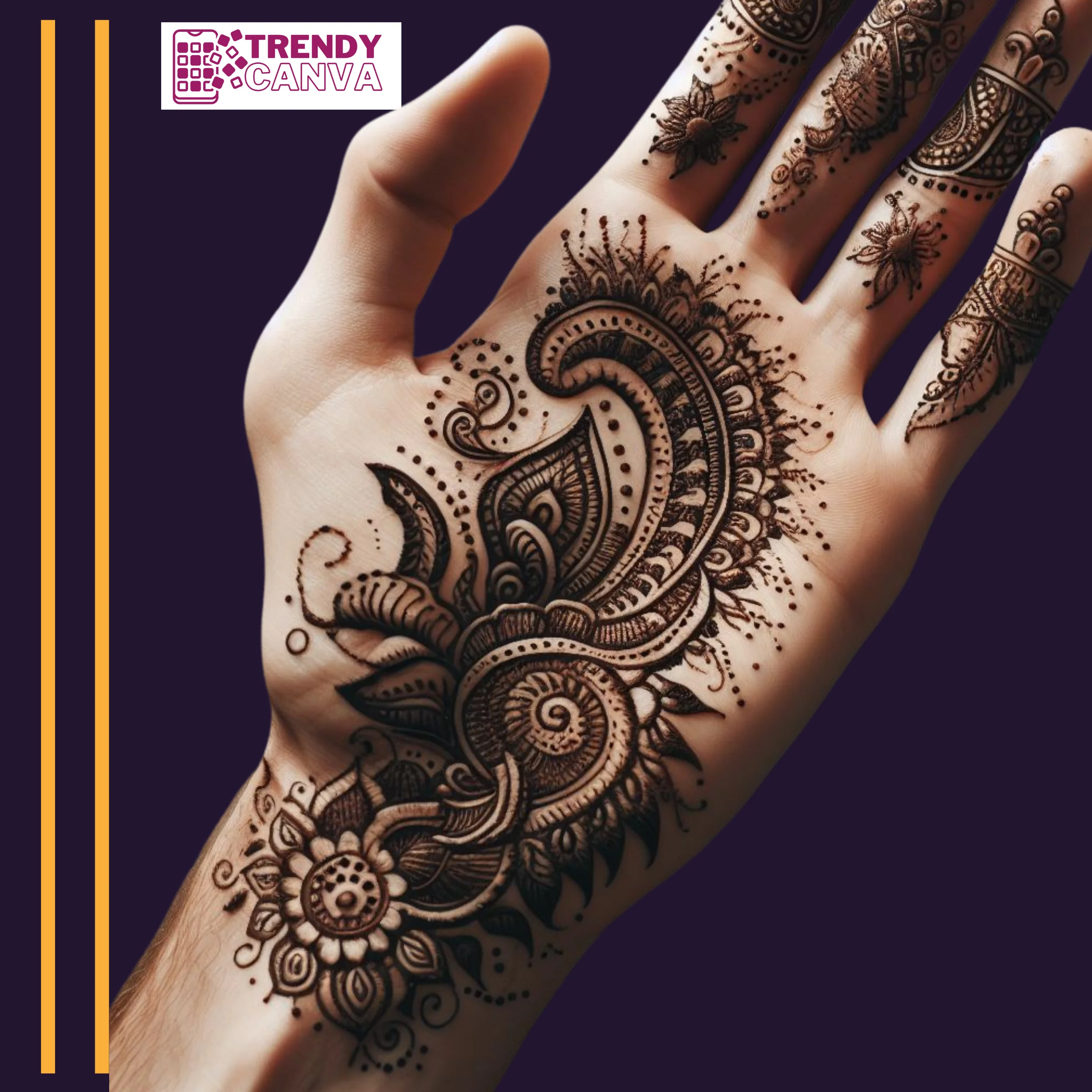
4. The Ornate Paisley Motif
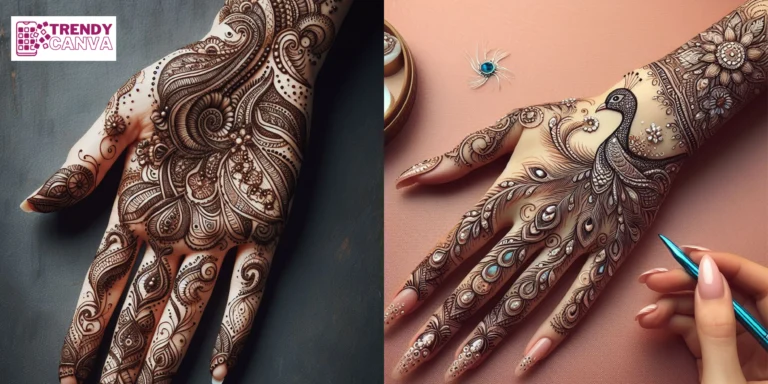
Paisley is one of the most recognizable traditional shapes, and it holds up equally well as a single accent or repeated across the full back of the hand.

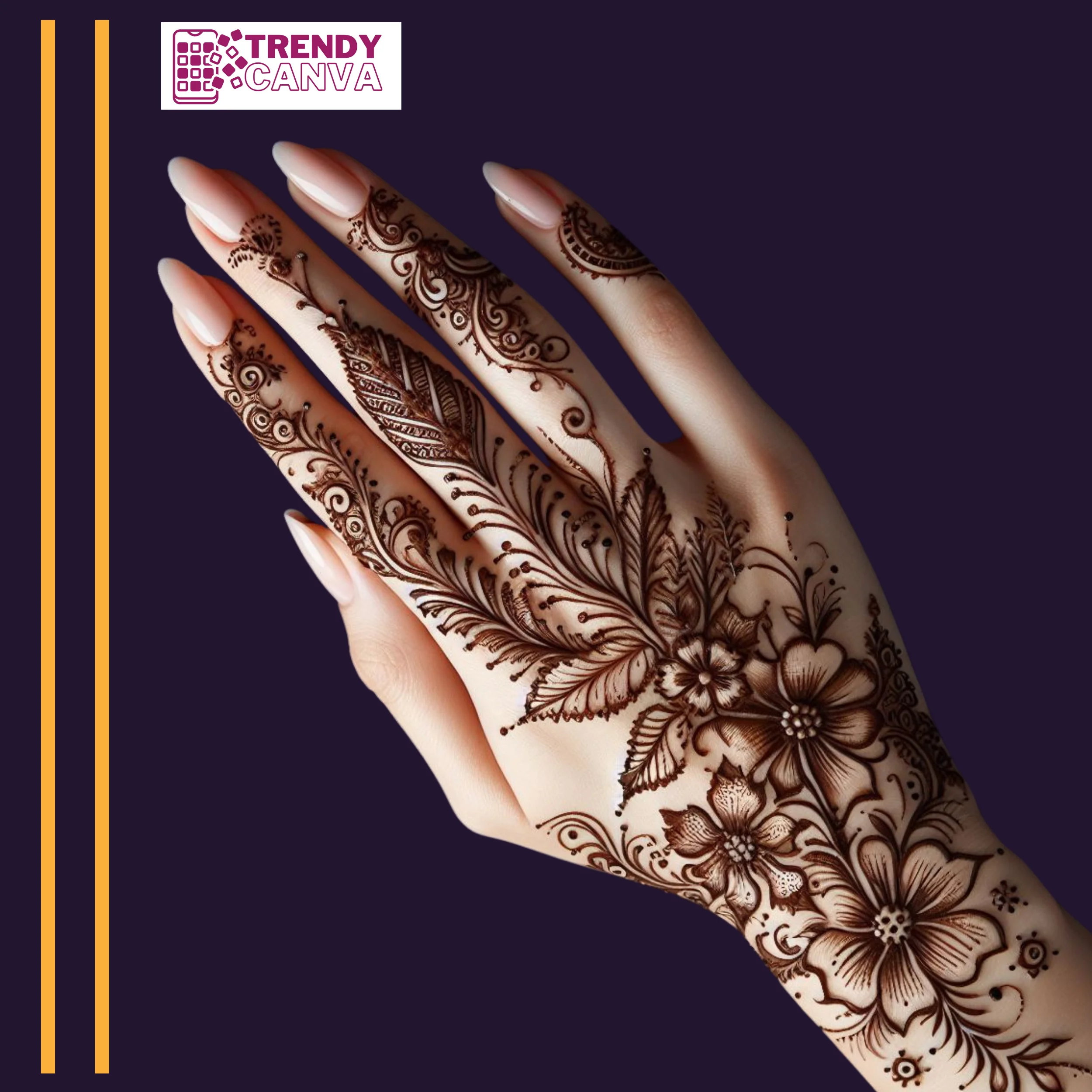
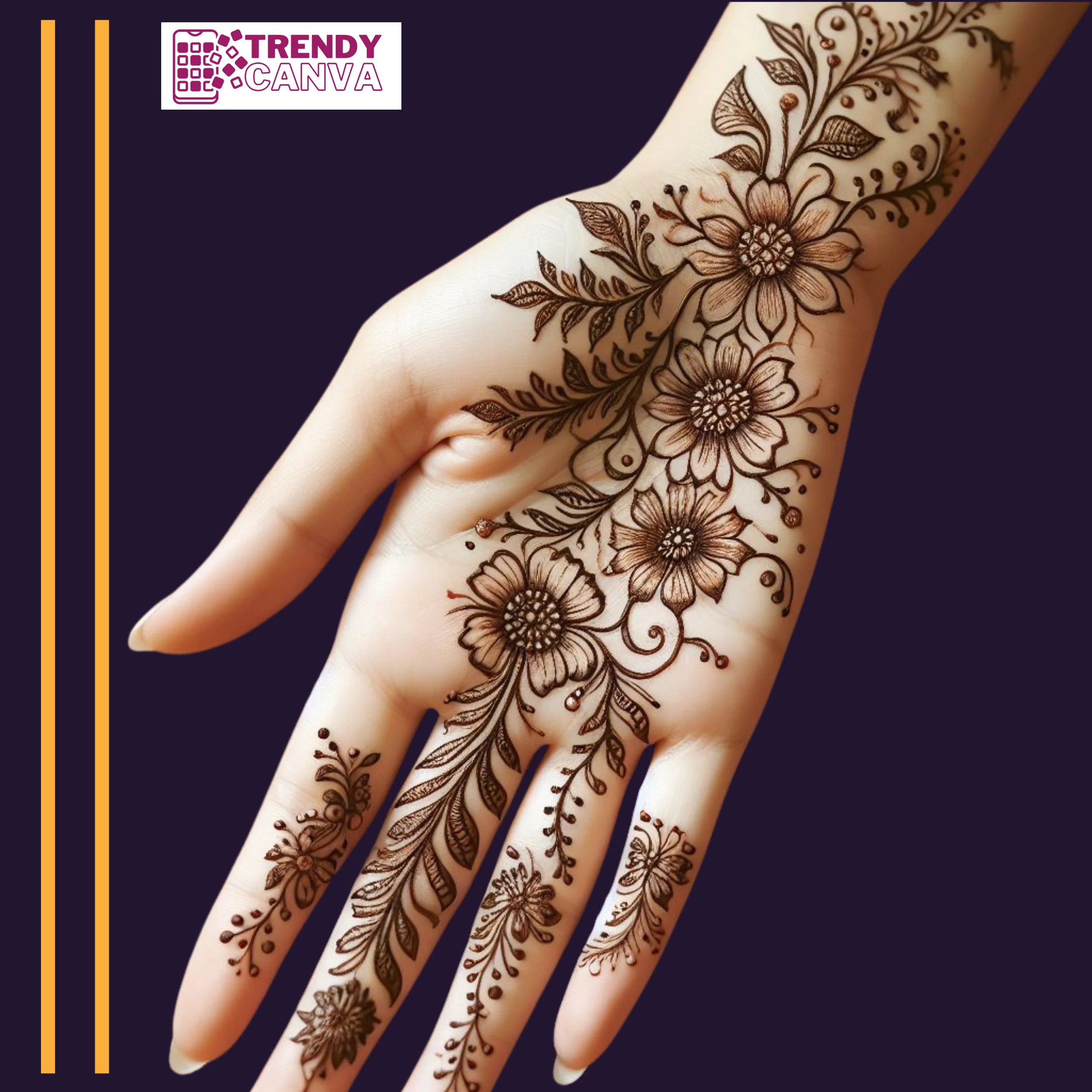
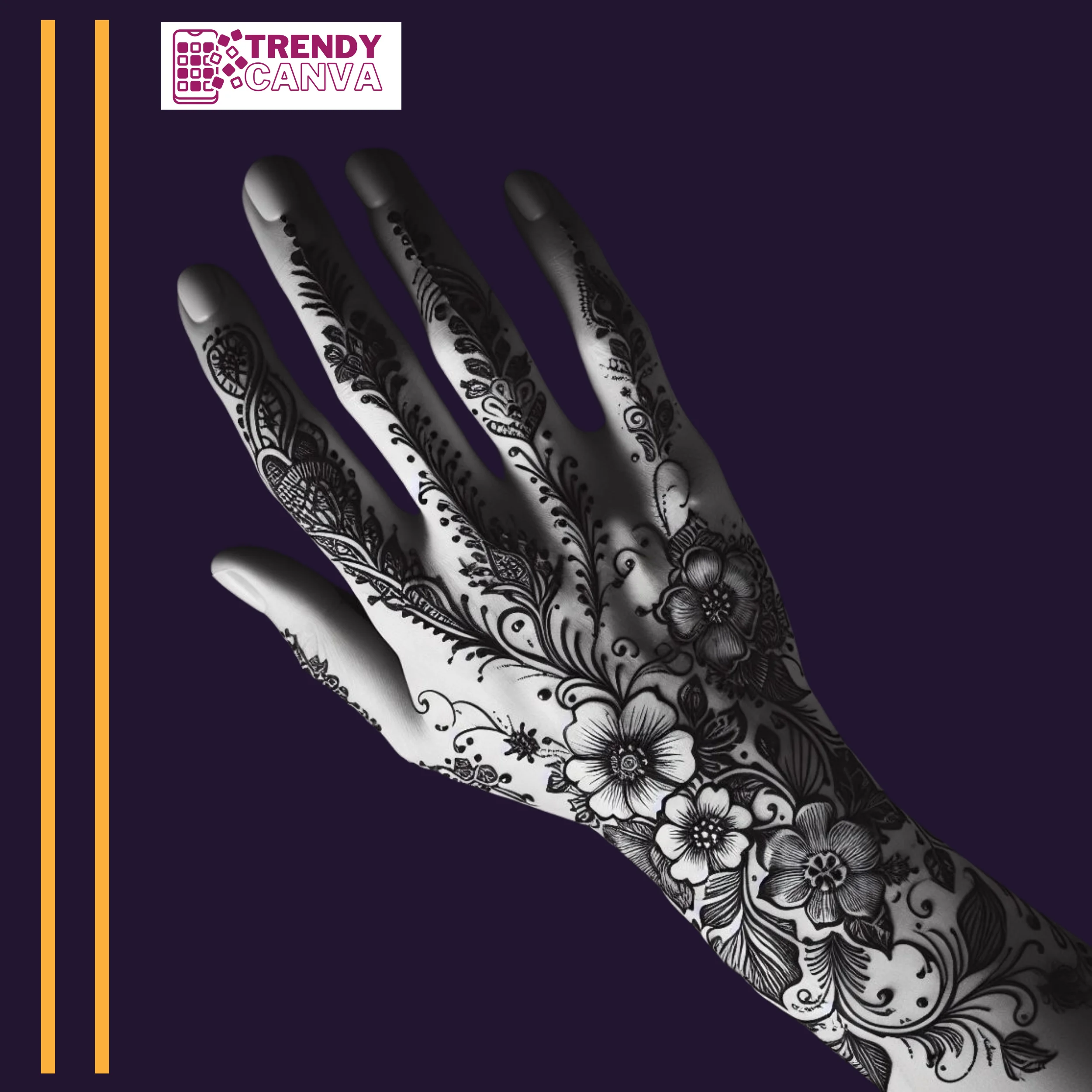
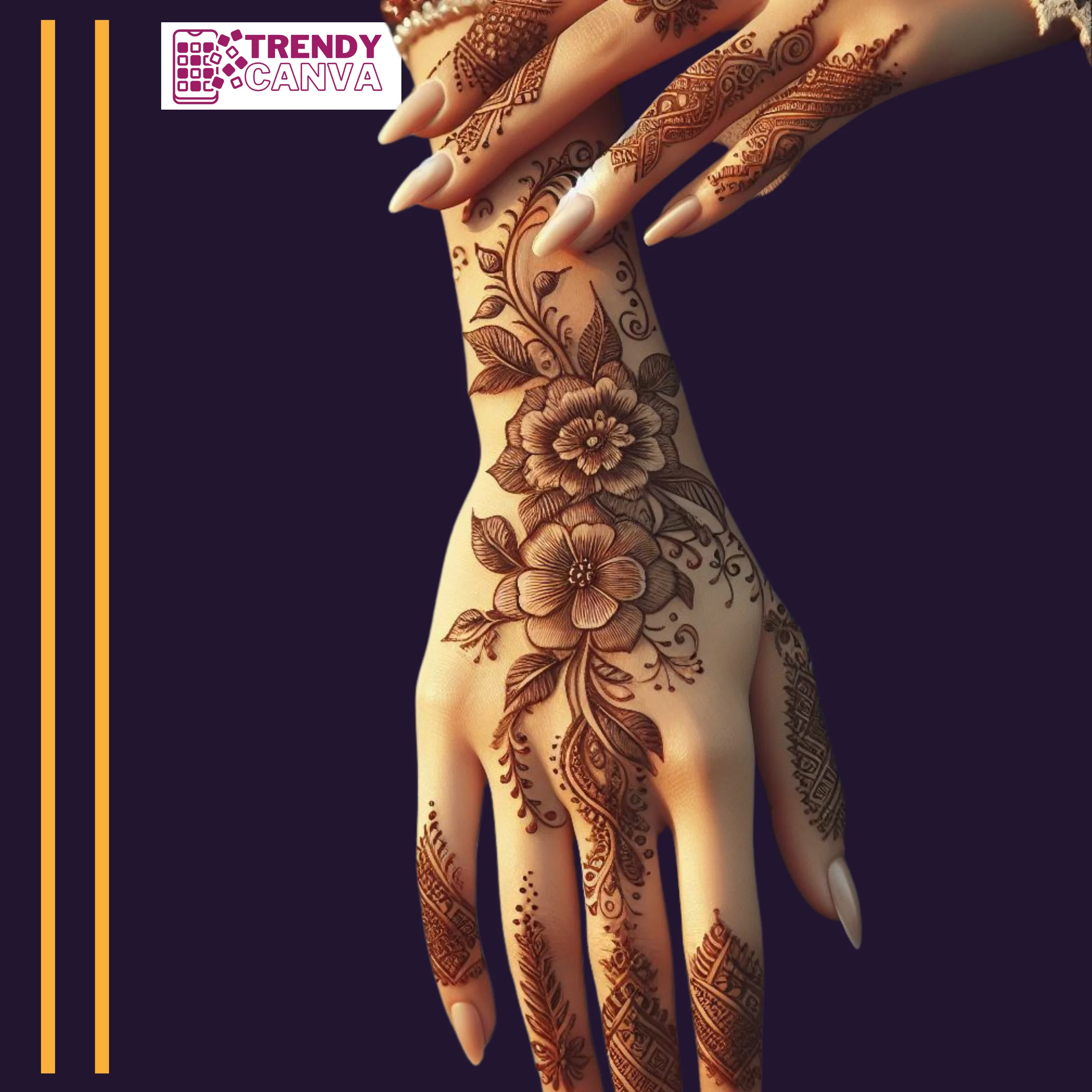
5. The Delicate Floral Vine
Vine work takes longer to apply than clustered florals since the lines are thin and continuous, but the flowing movement across the back of the hand is hard to get from any other layout.
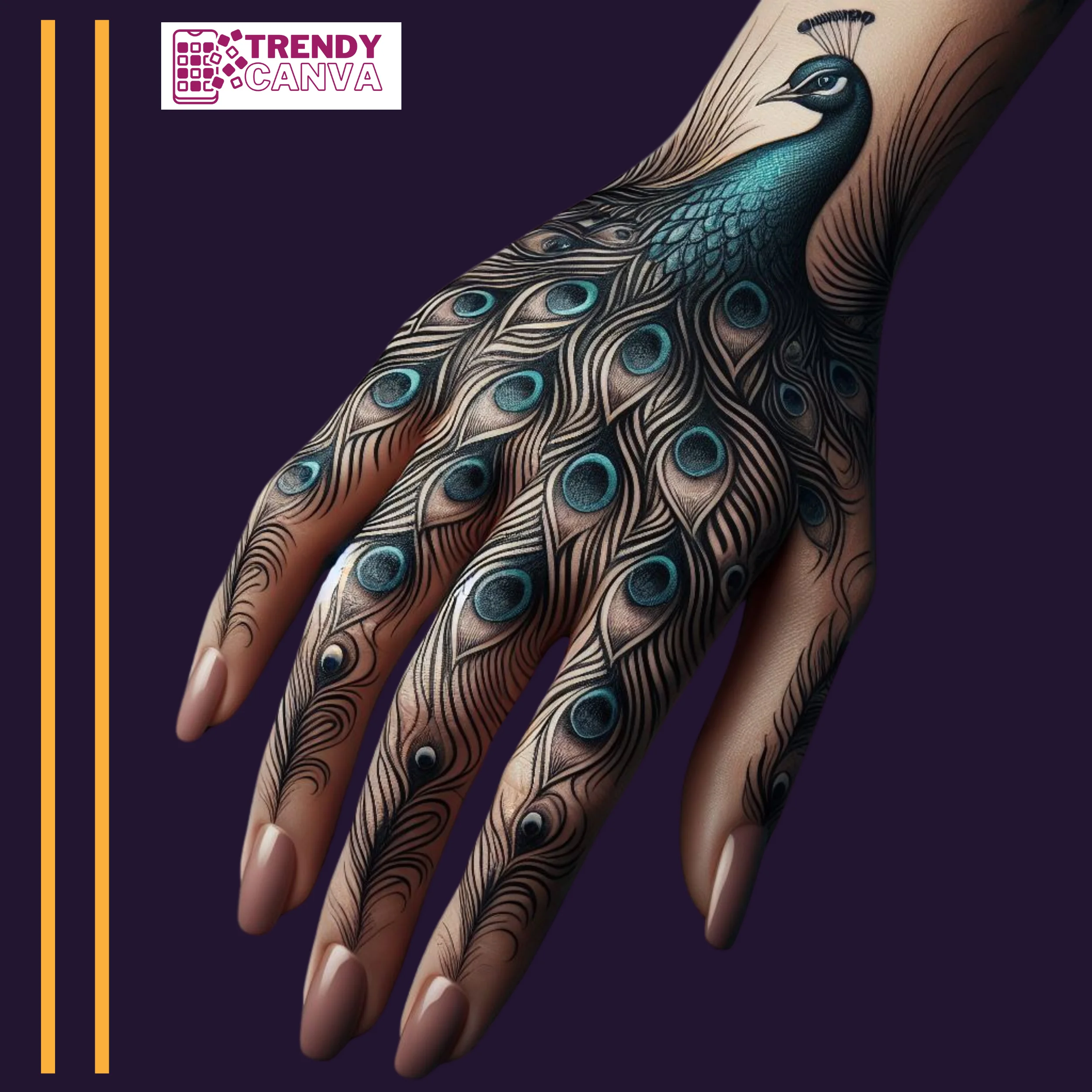
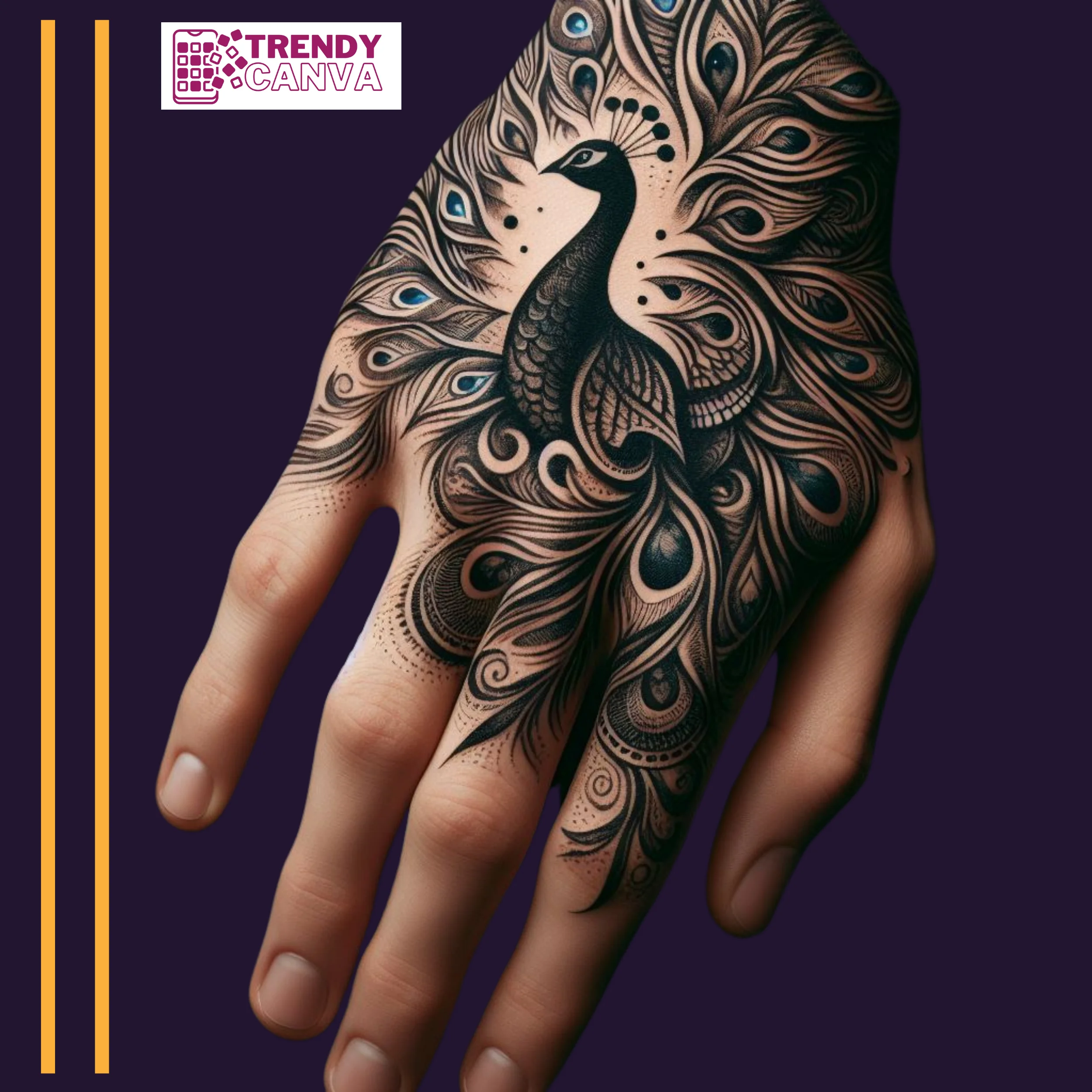
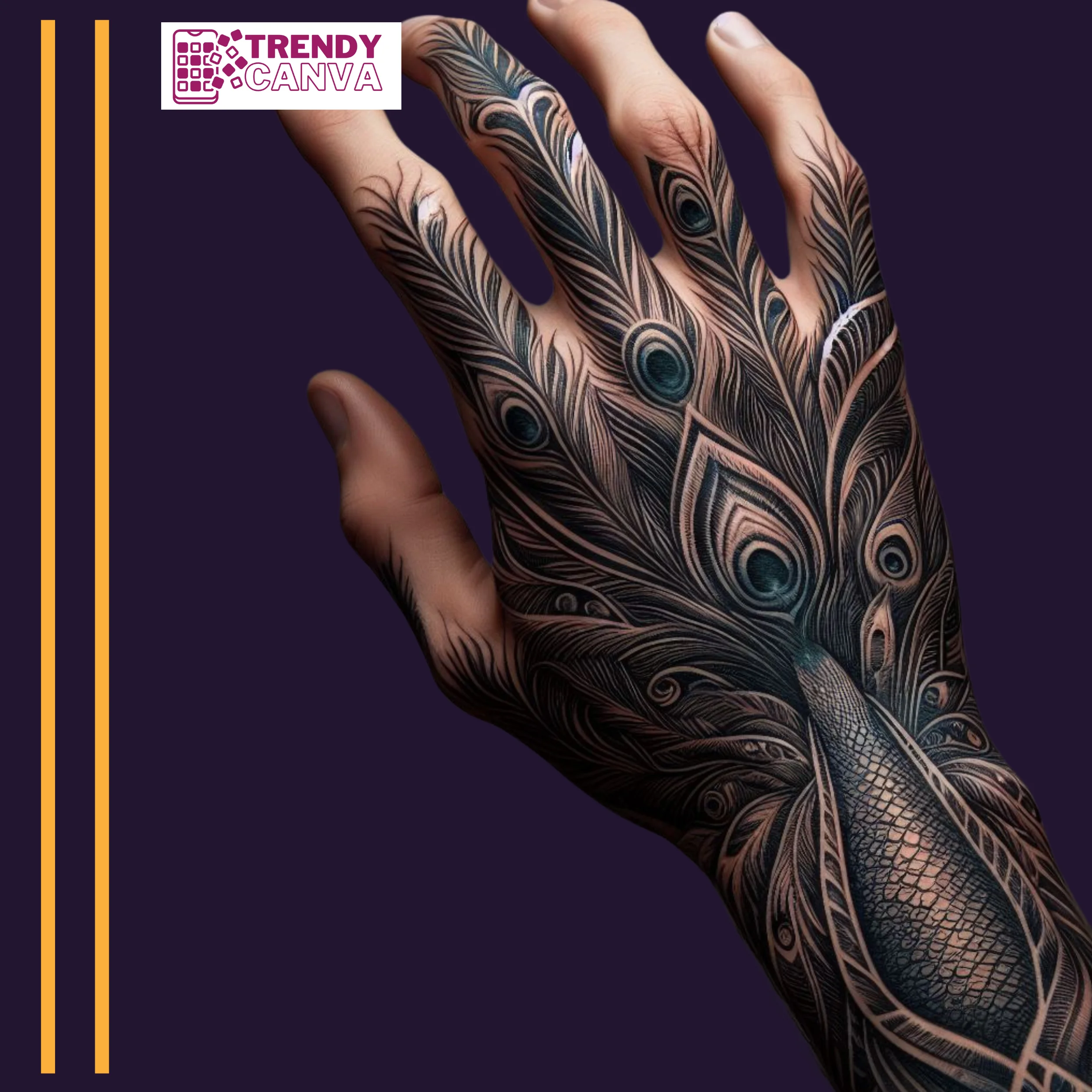
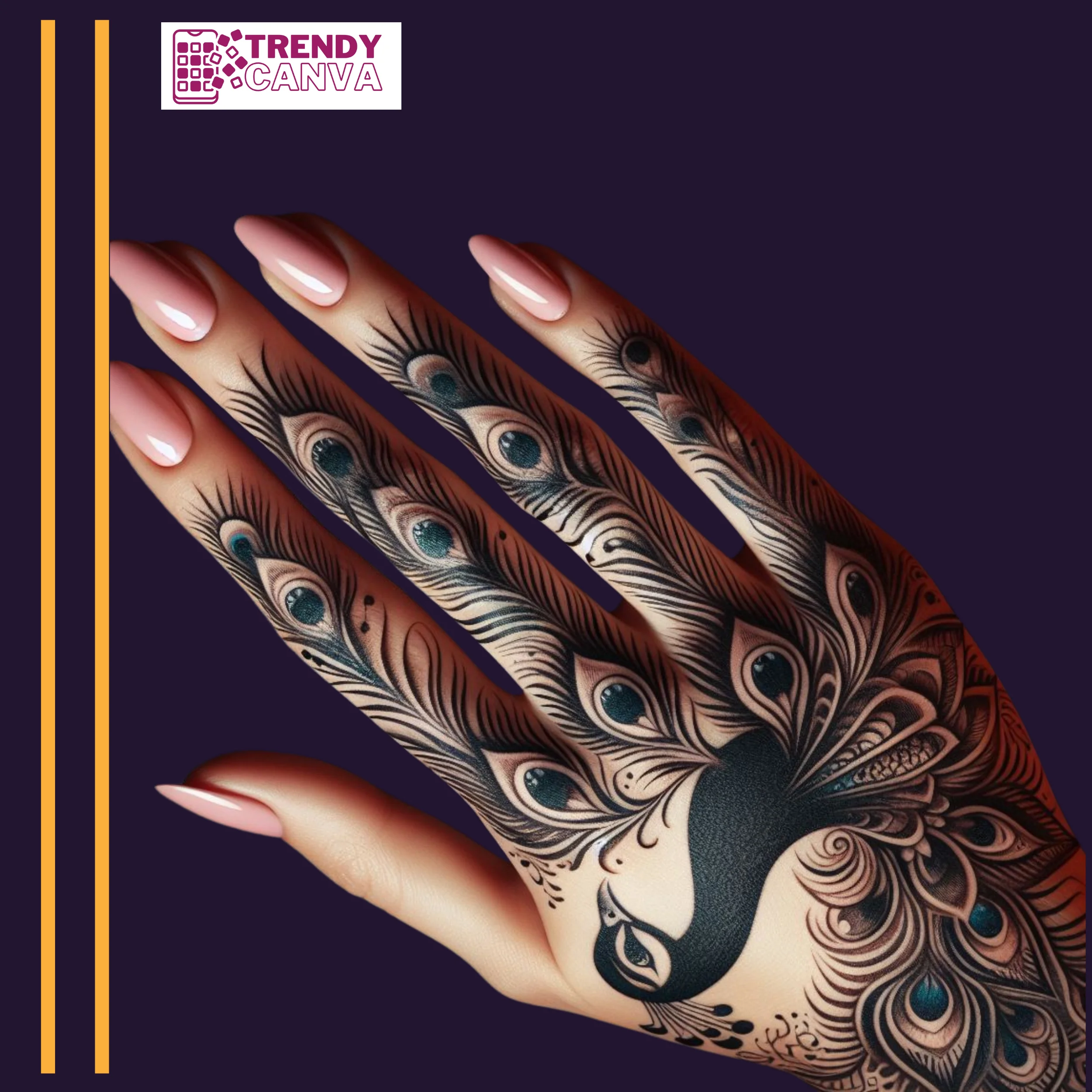
6. The Bold and Beautiful Peacock
The back of the hand gives a peacock design more room to breathe than the palm does — the feather detailing and tail spread read clearly at a glance, which is part of why this motif photographs so well here.
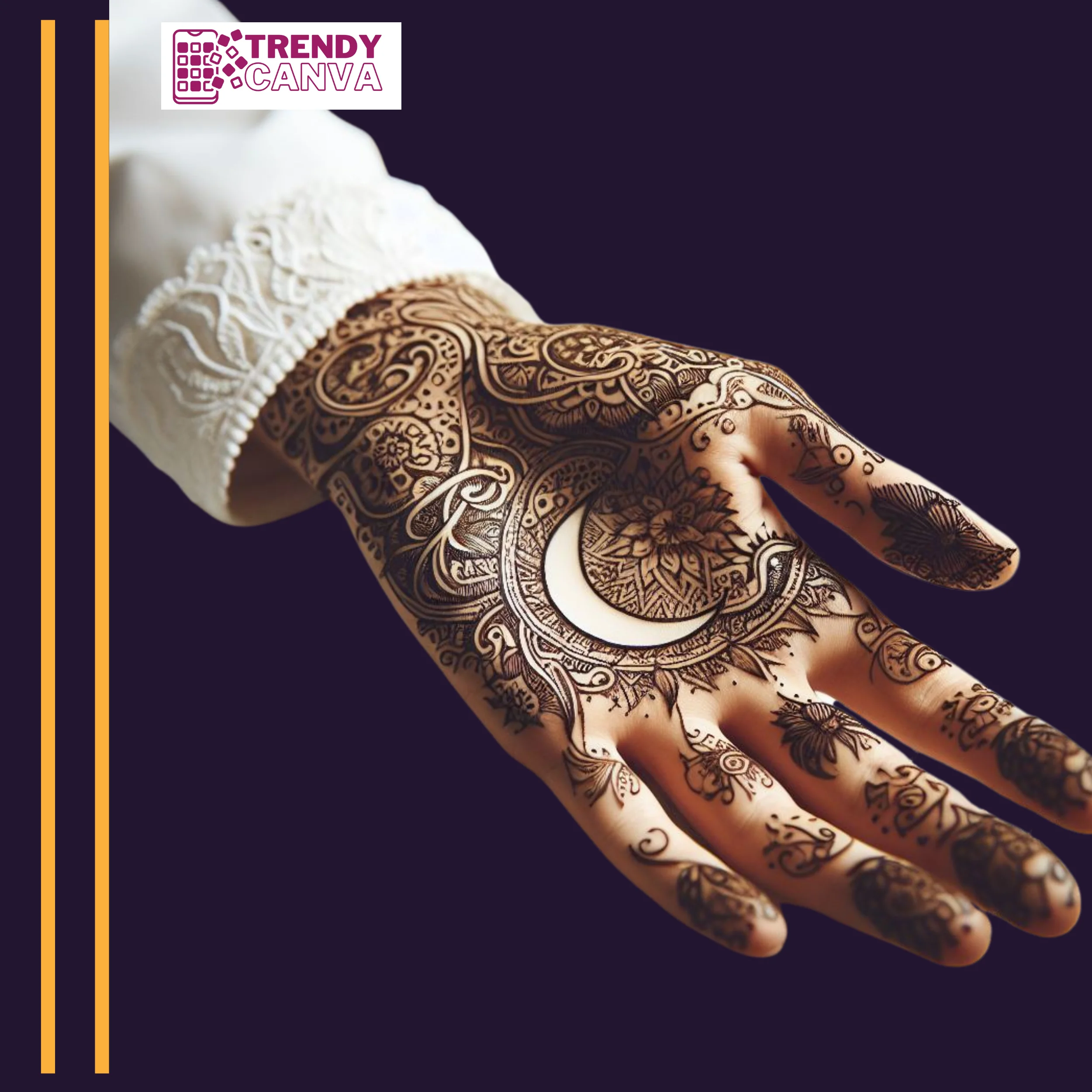
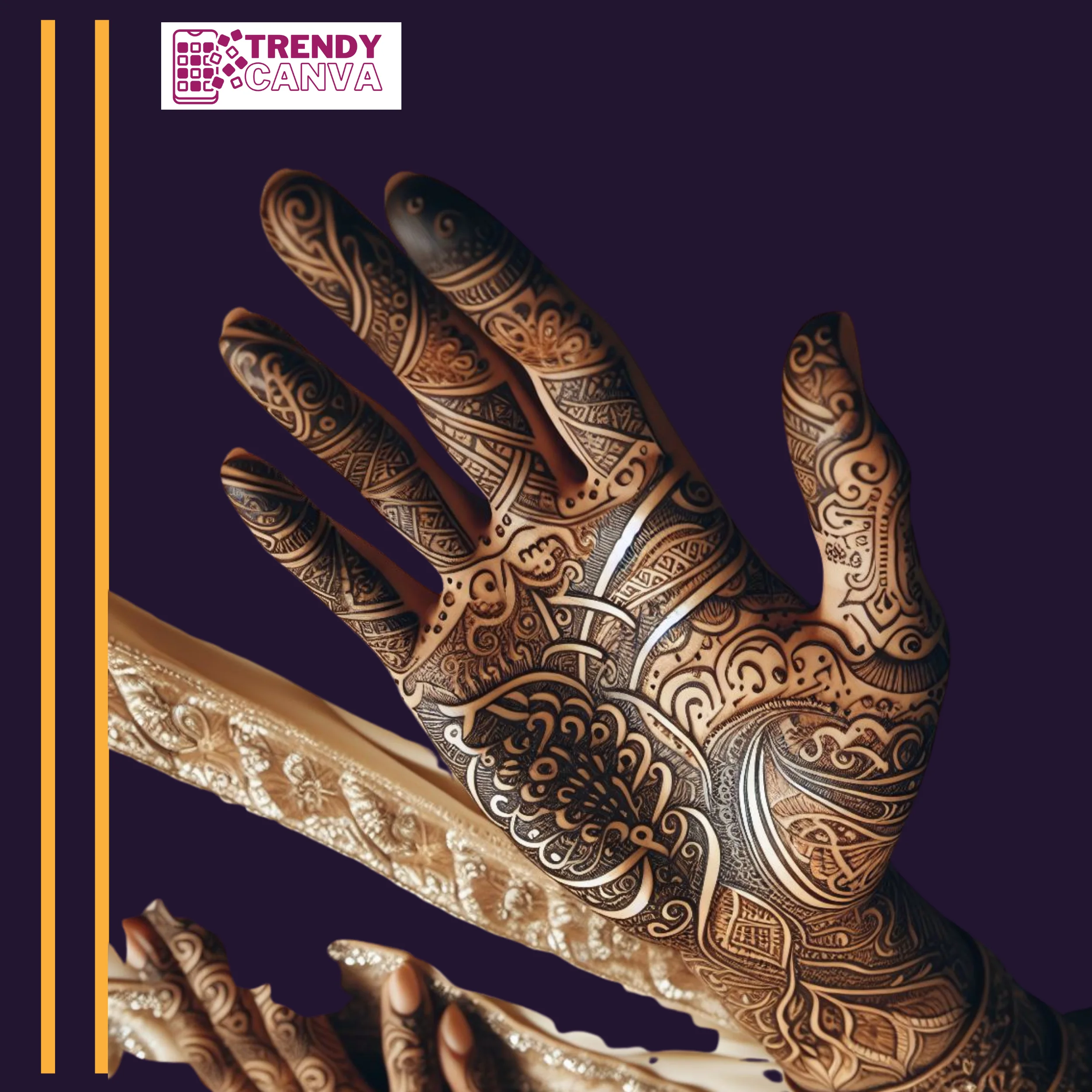
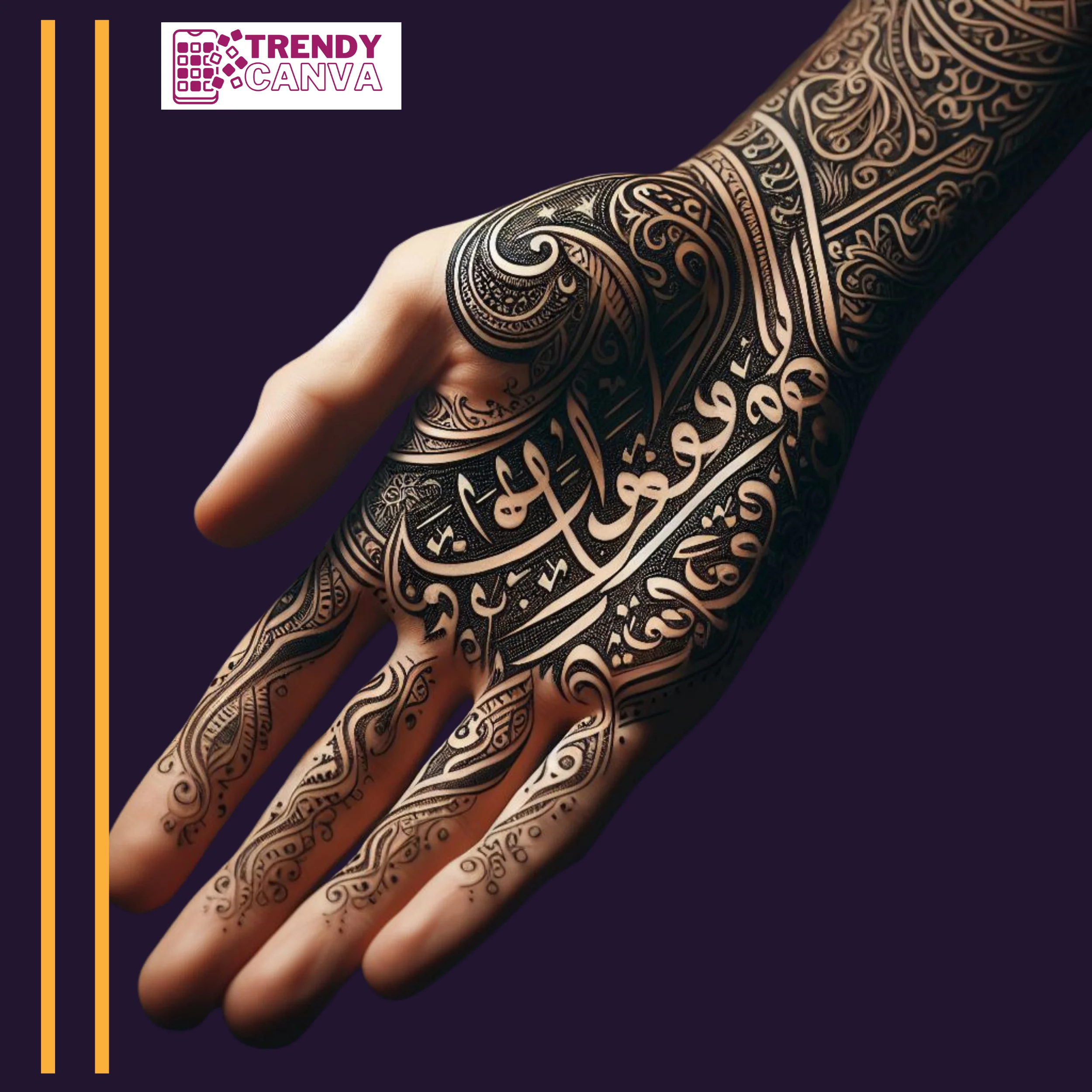
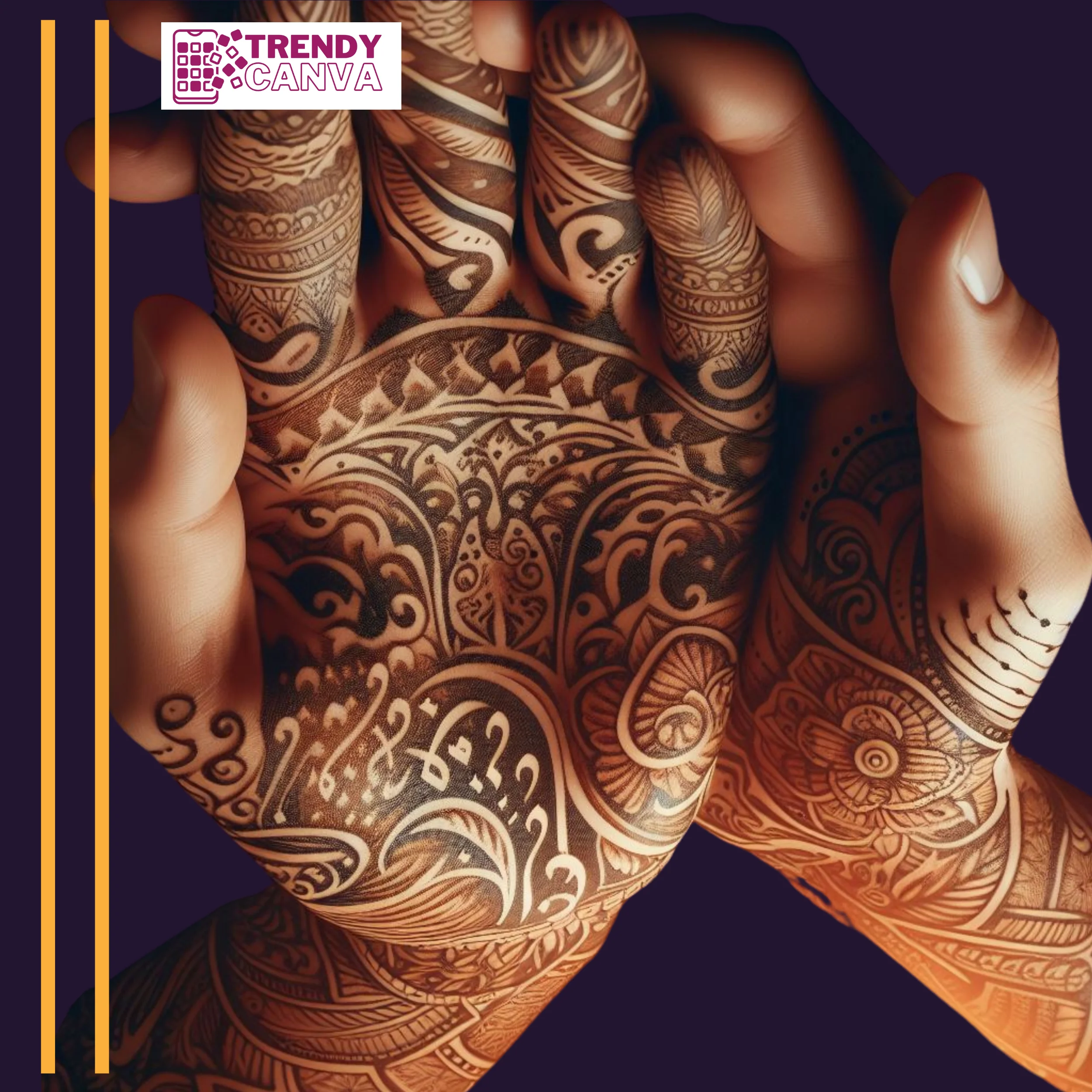
7. The Intricate Arabic Calligraphy
Calligraphy-style linework is less common on the back hand than florals or geometrics, which is exactly why it stands out — used sparingly, it reads as a deliberate, distinctive choice rather than a default pattern.
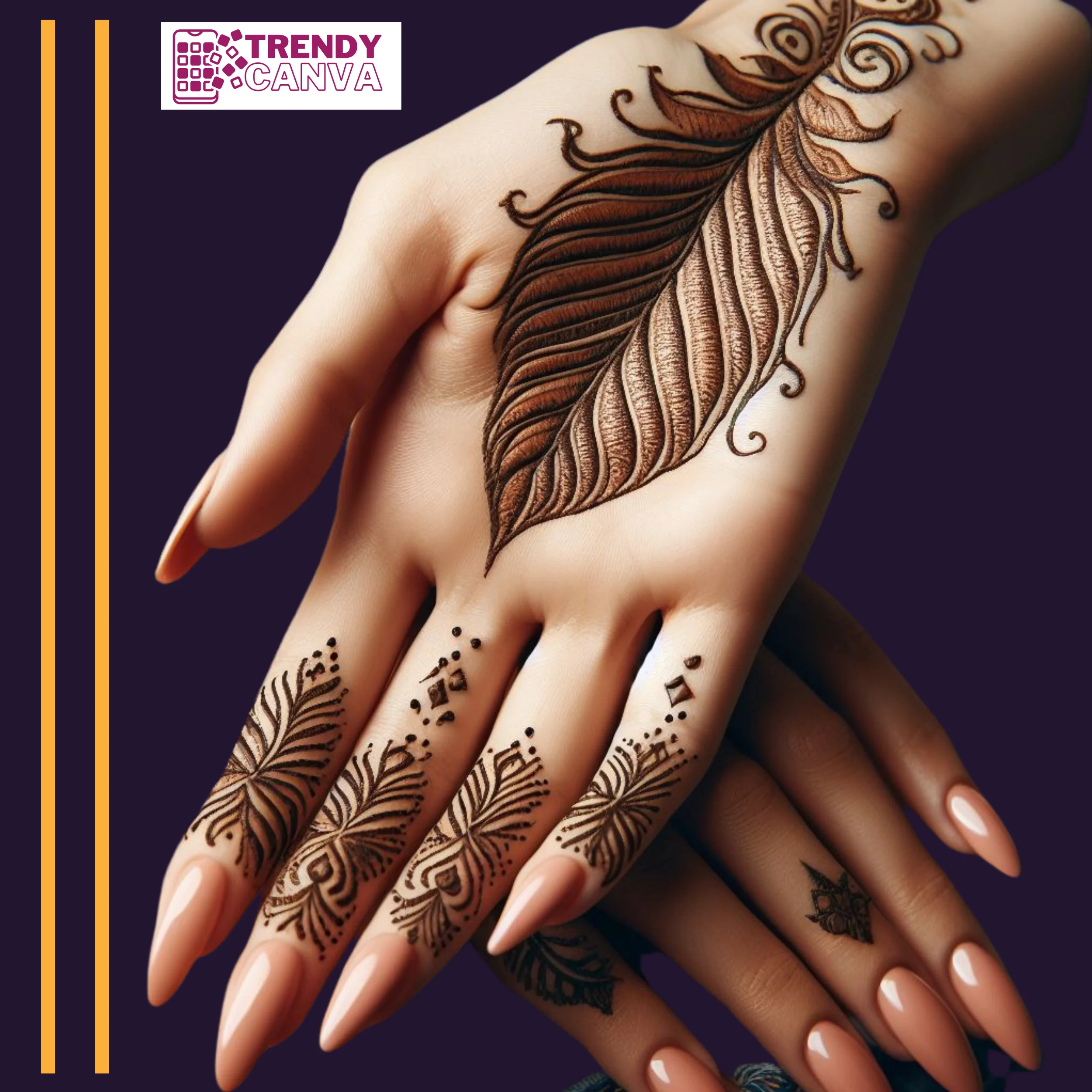
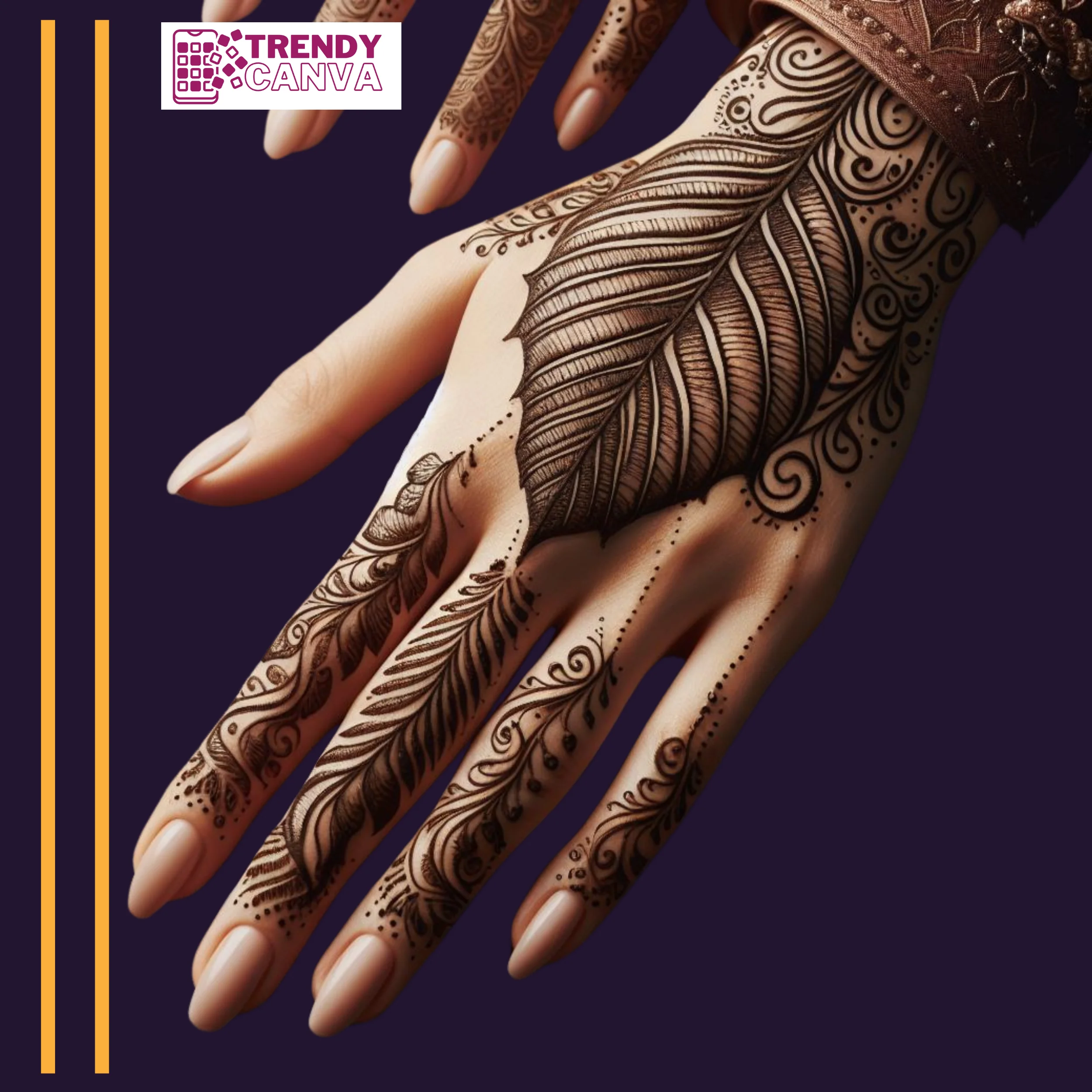
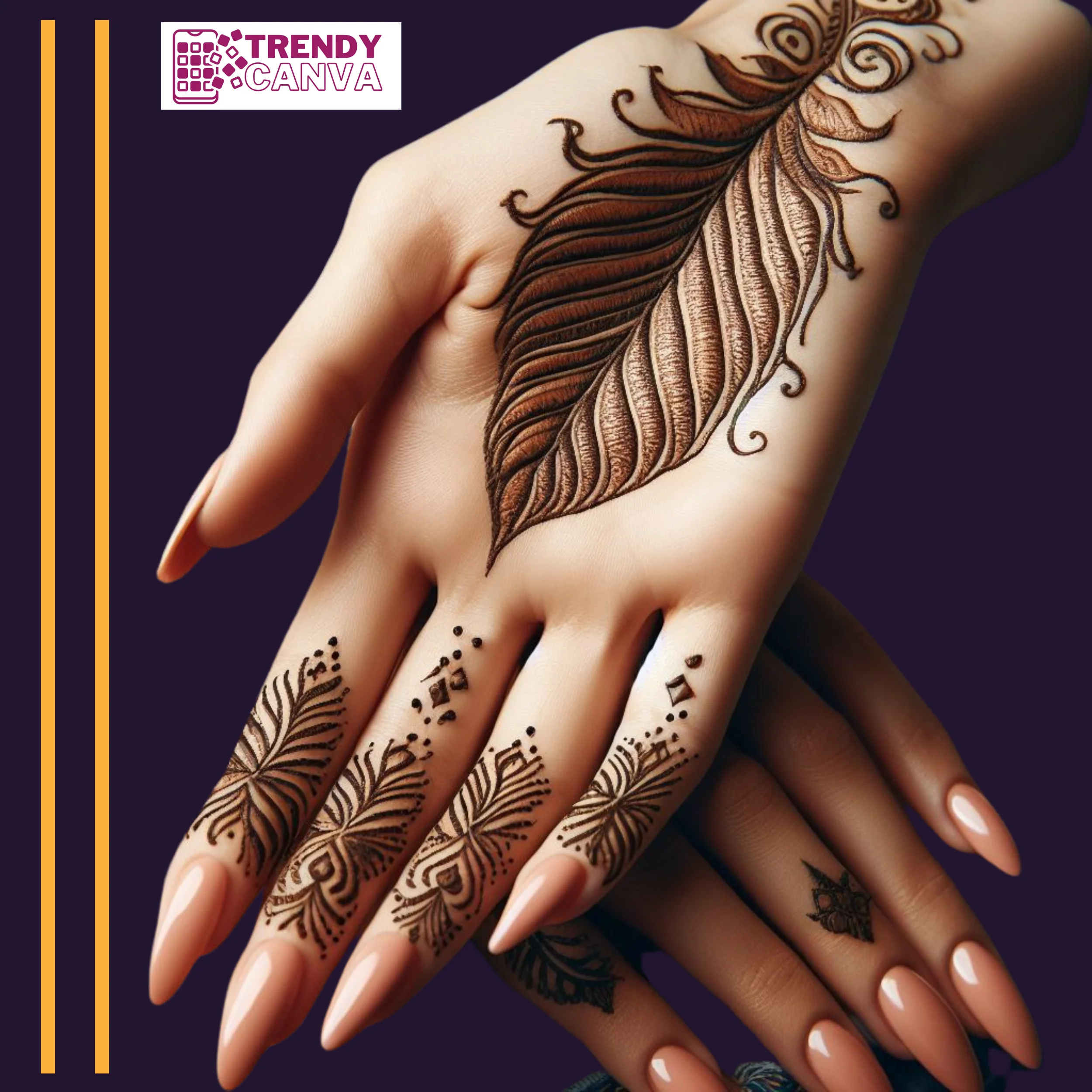
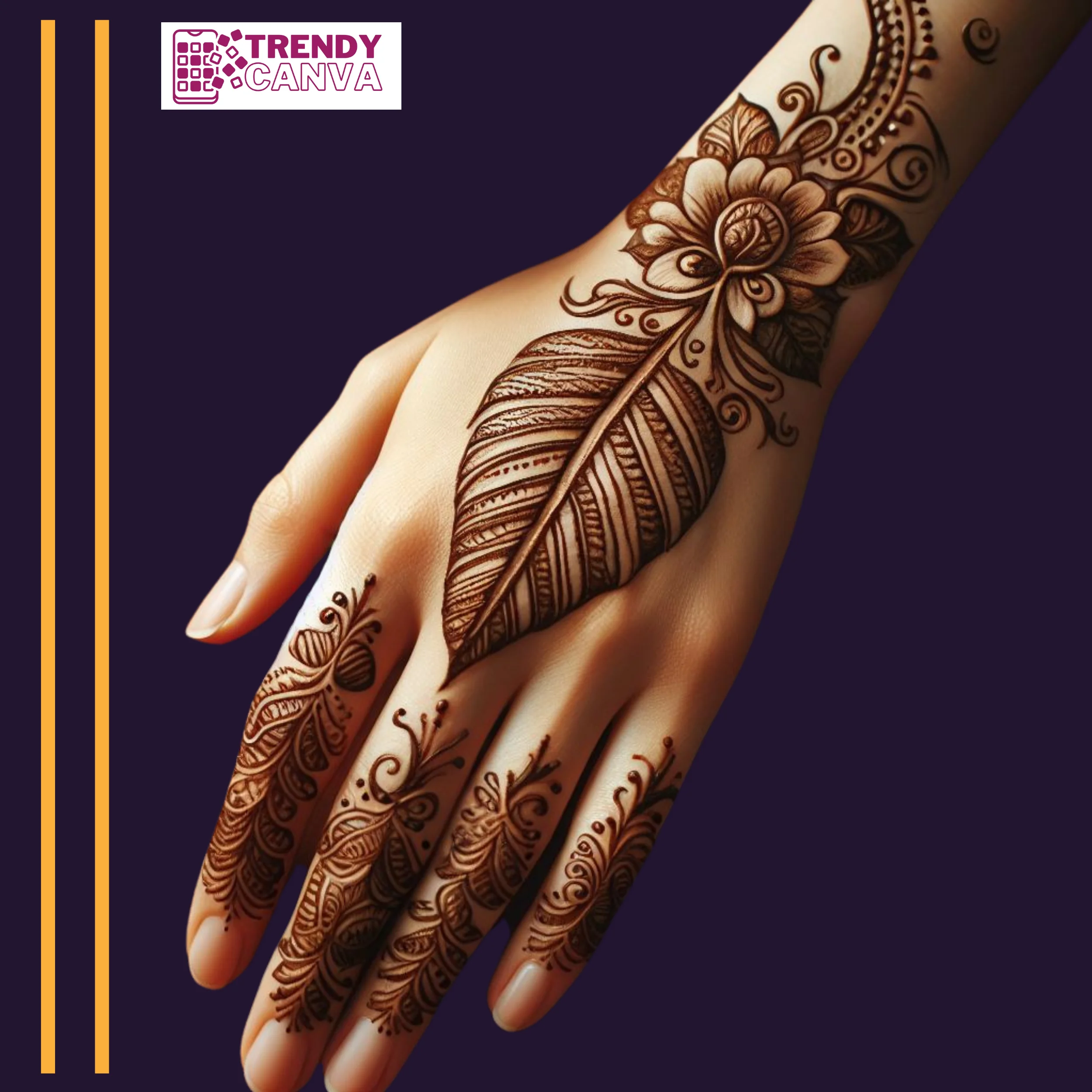
8. The Traditional Mango Leaf
The mango leaf is one of the oldest motifs in Indian henna art, and it scales well — small as a finger accent, or repeated in a row across the back of the hand as a border.
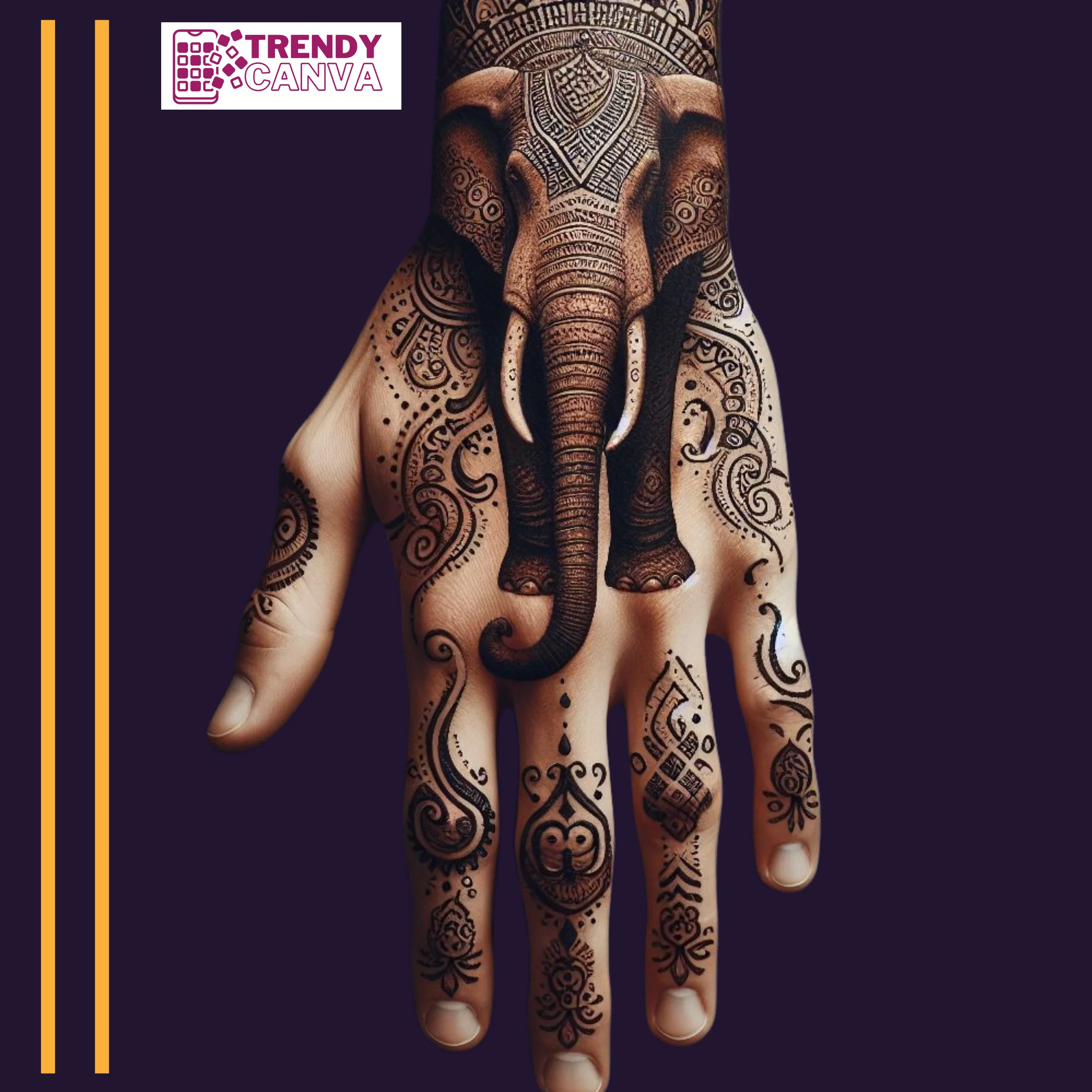
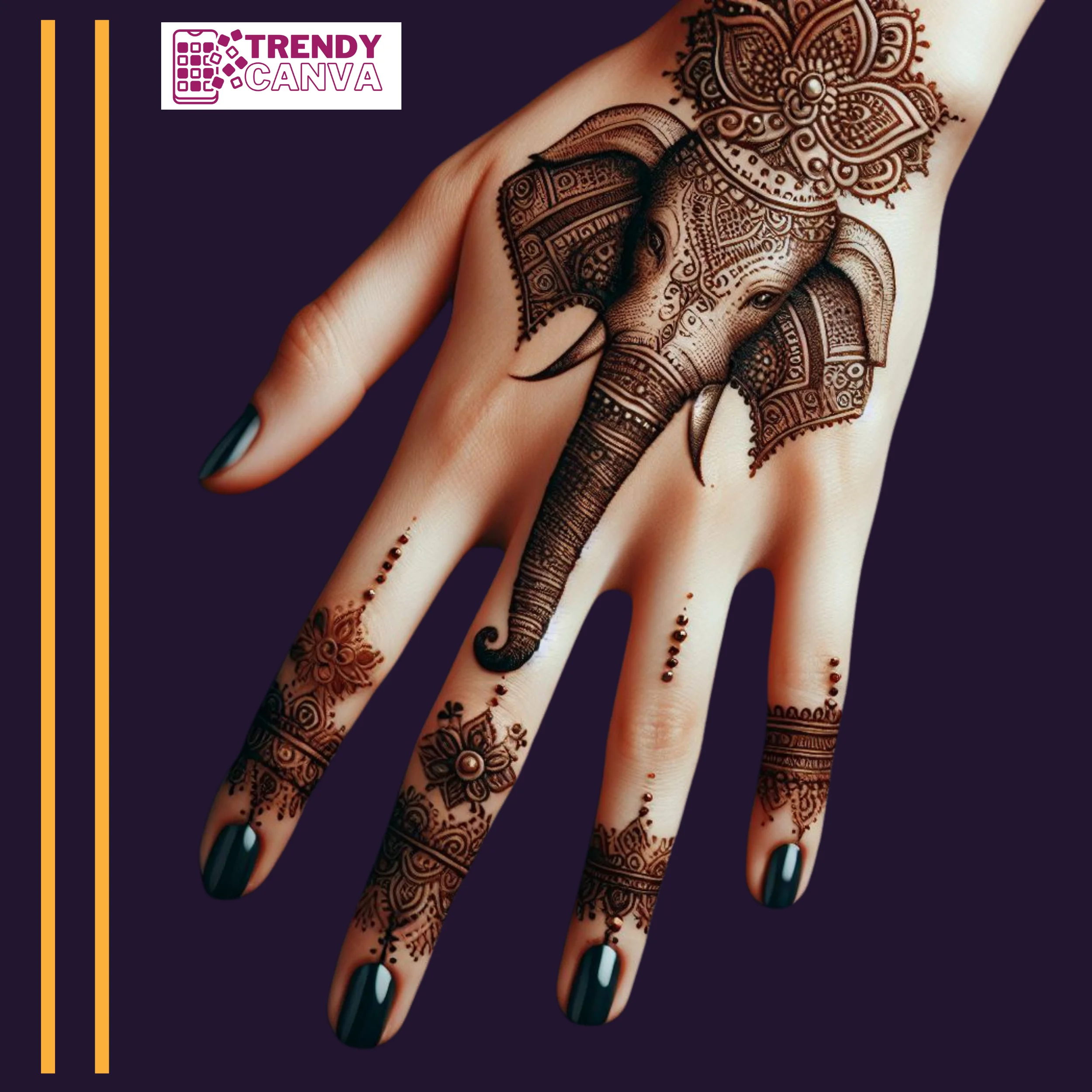
9. The Intricate Elephant
The elephant motif carries strength and wisdom in Indian tradition, and its detailed silhouette — ears, trunk curls — gives an artist room to show off fine linework on the flatter back-hand canvas.
10. The Regal Floral Crown
A crown-shaped floral cluster centered on the back of the hand reads as a statement piece even at a moderate size — leave the surrounding skin bare and let it stand out on its own.
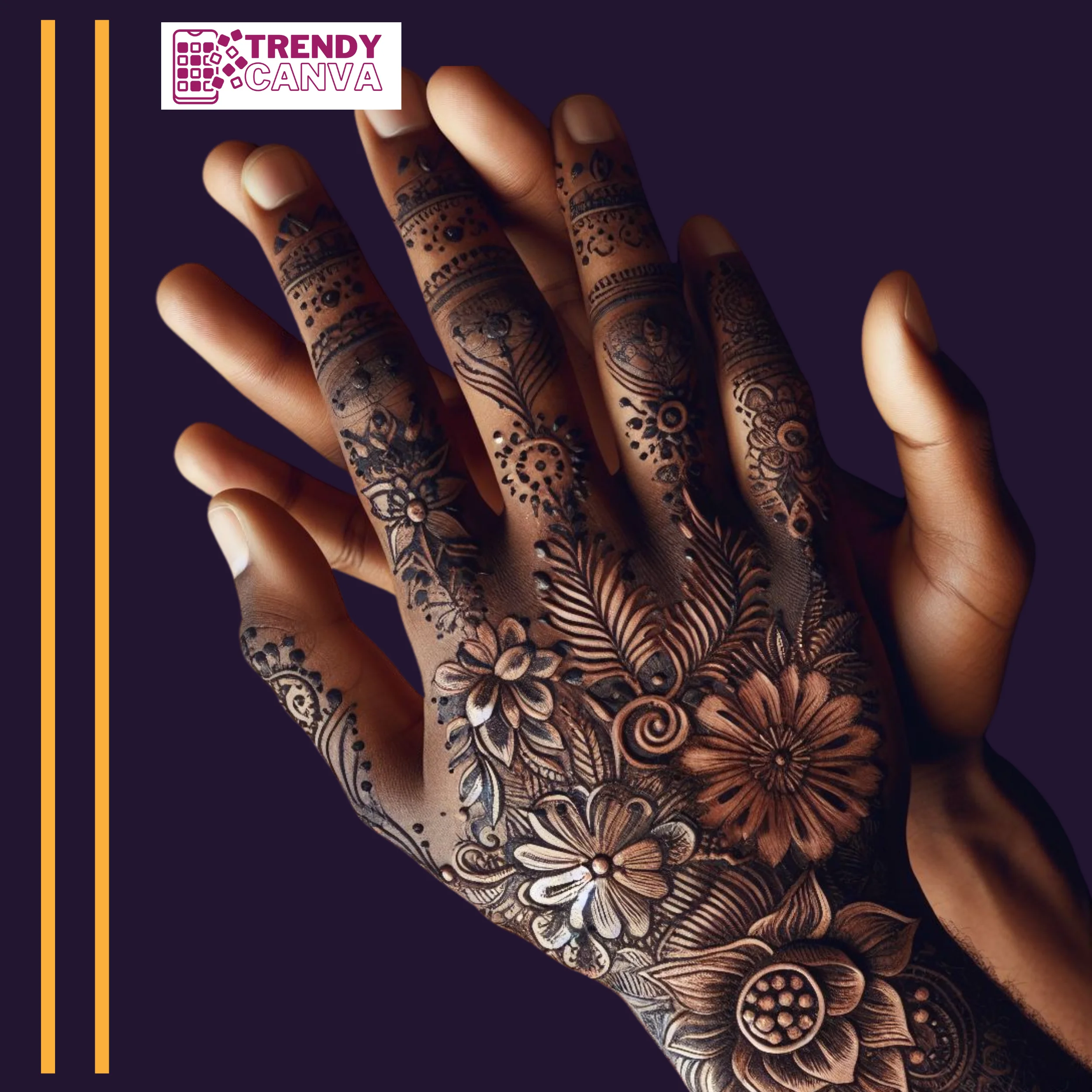
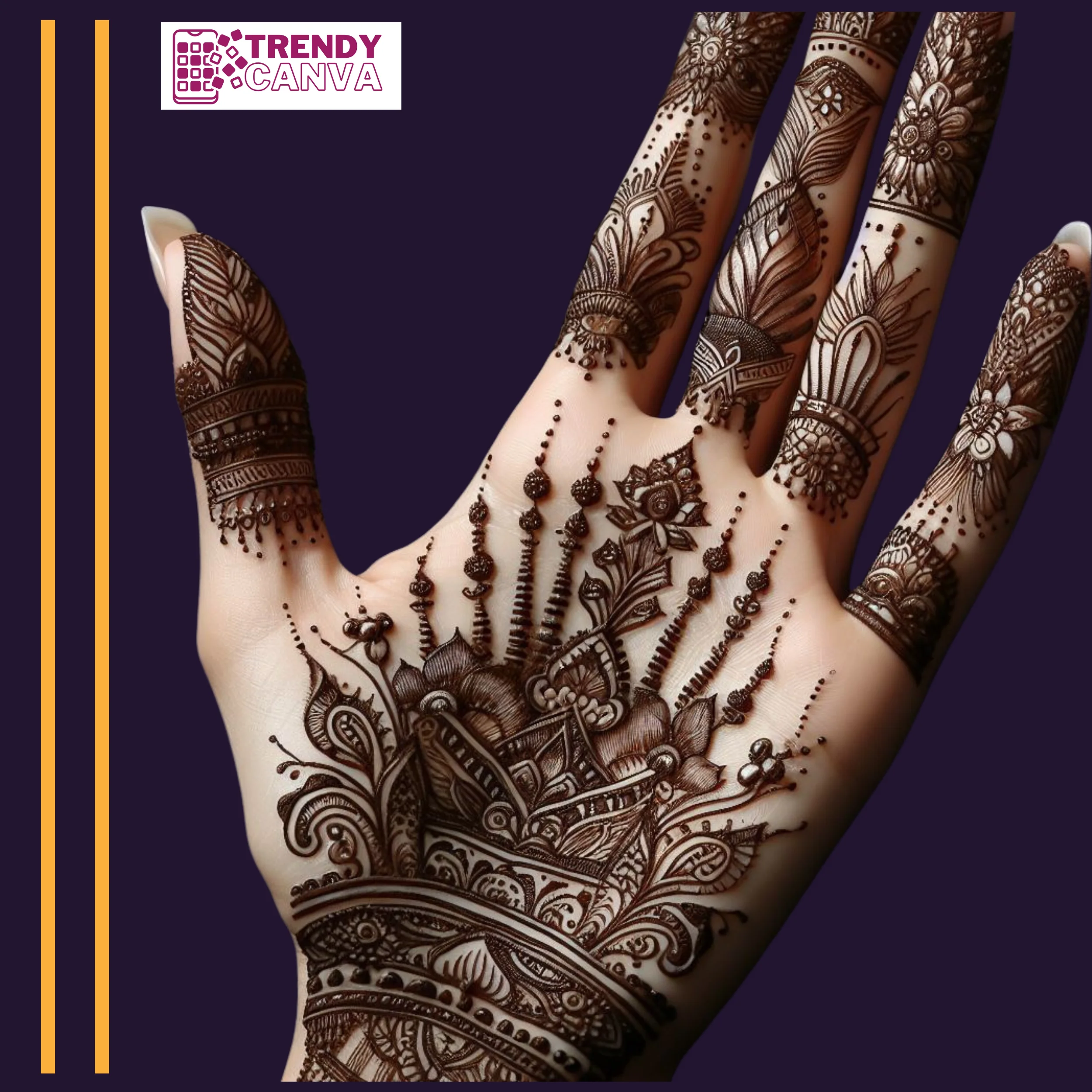

11. The Modern Fusion
Pairing one traditional motif with a modern geometric border is an easy way to get a design that reads as both classic and current without committing fully to either style.


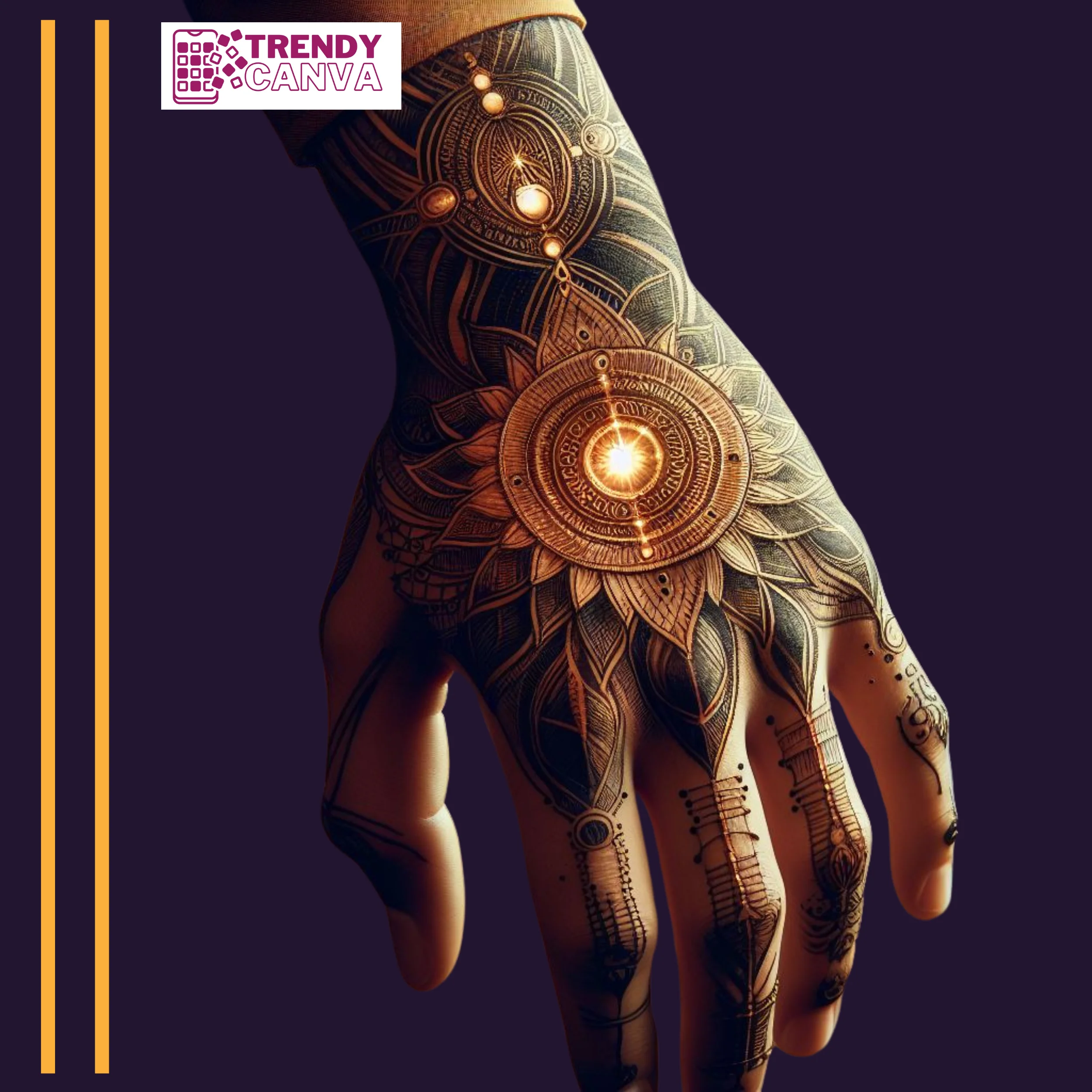
12. The Personalized Design
Working initials, a wedding date, or a partner’s name into the design is one of 2026’s biggest bridal requests — keep it along the wrist or between motifs so it stays legible rather than lost in denser patterning.
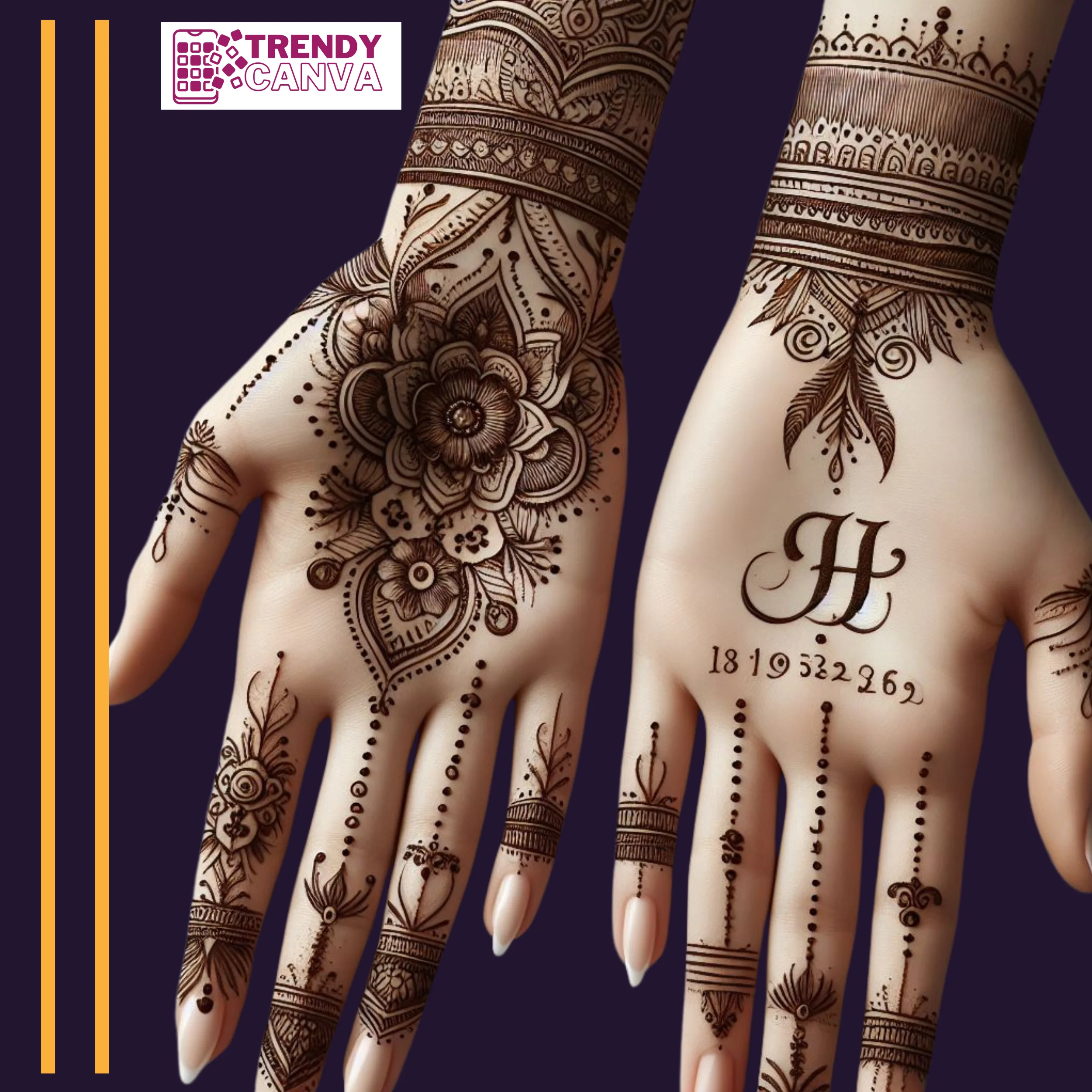

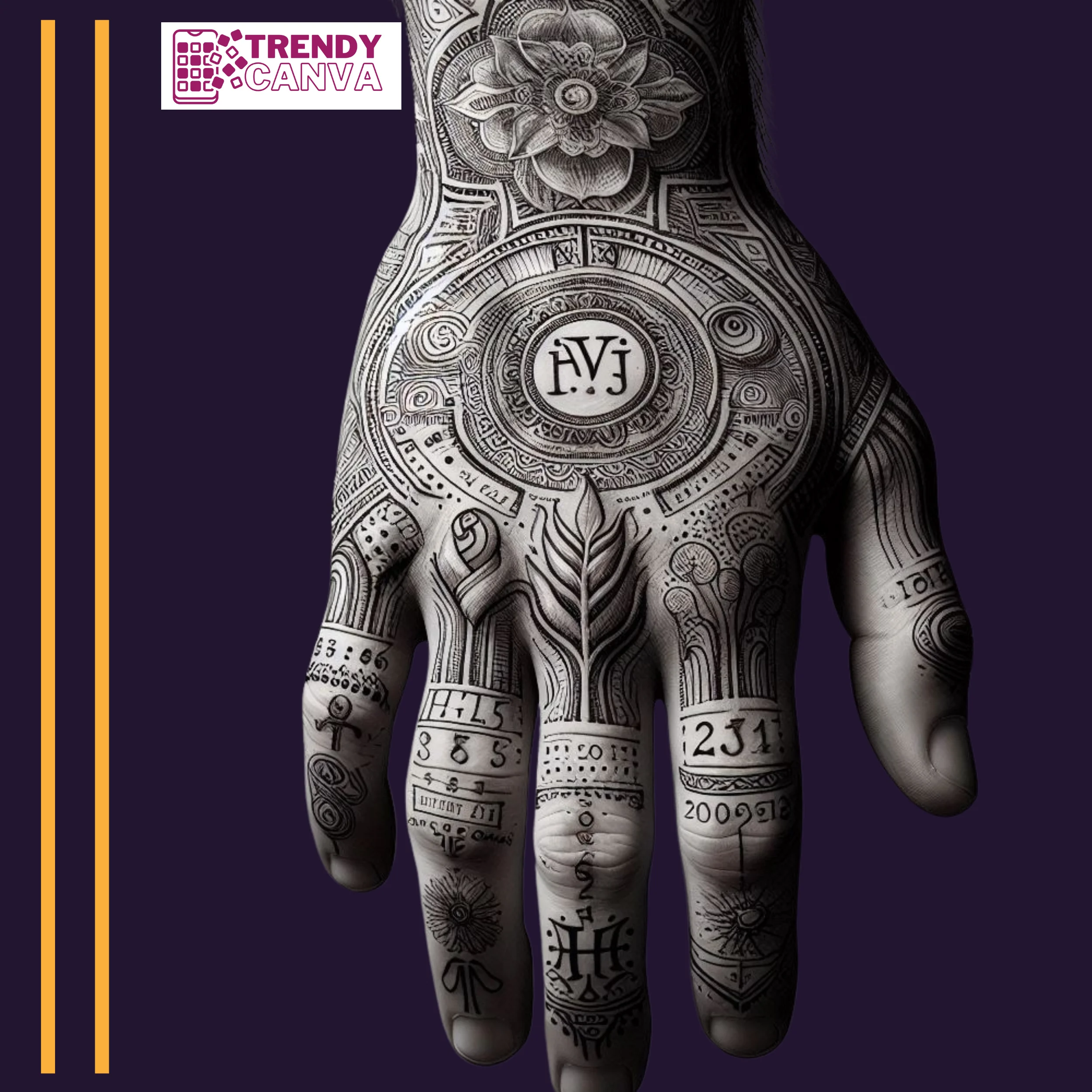
13. The Negative Space
Negative space designs rely on placement rather than coverage, so they photograph cleaner and dry faster — one of the more practical choices if you’re short on time before an event.
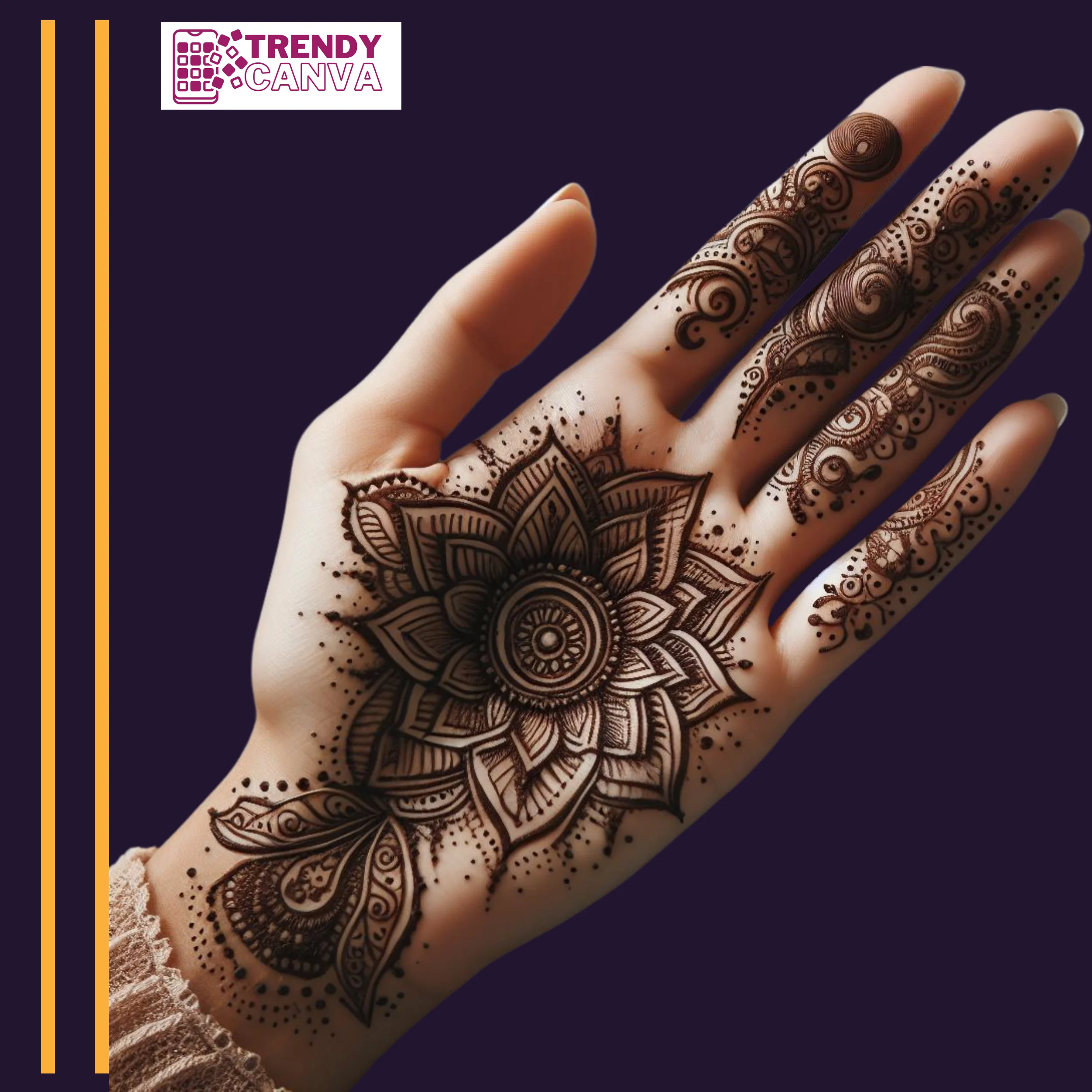
14. The Bridal Motif
Traditional bridal symbols — the couple’s figures, wedding ceremony items — are usually saved for the wedding day itself on the back hand, since they’re specific to that occasion rather than pre-wedding functions.

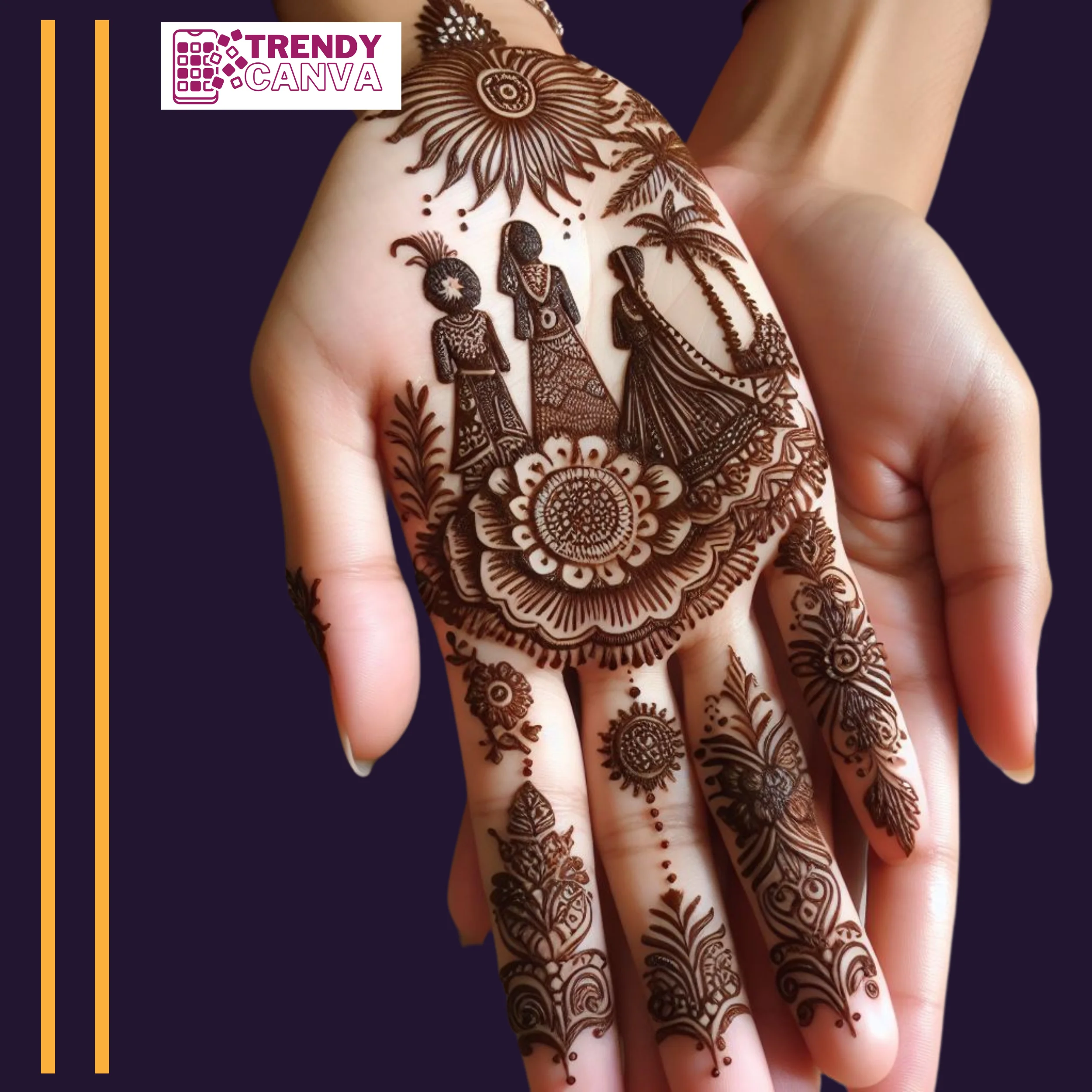
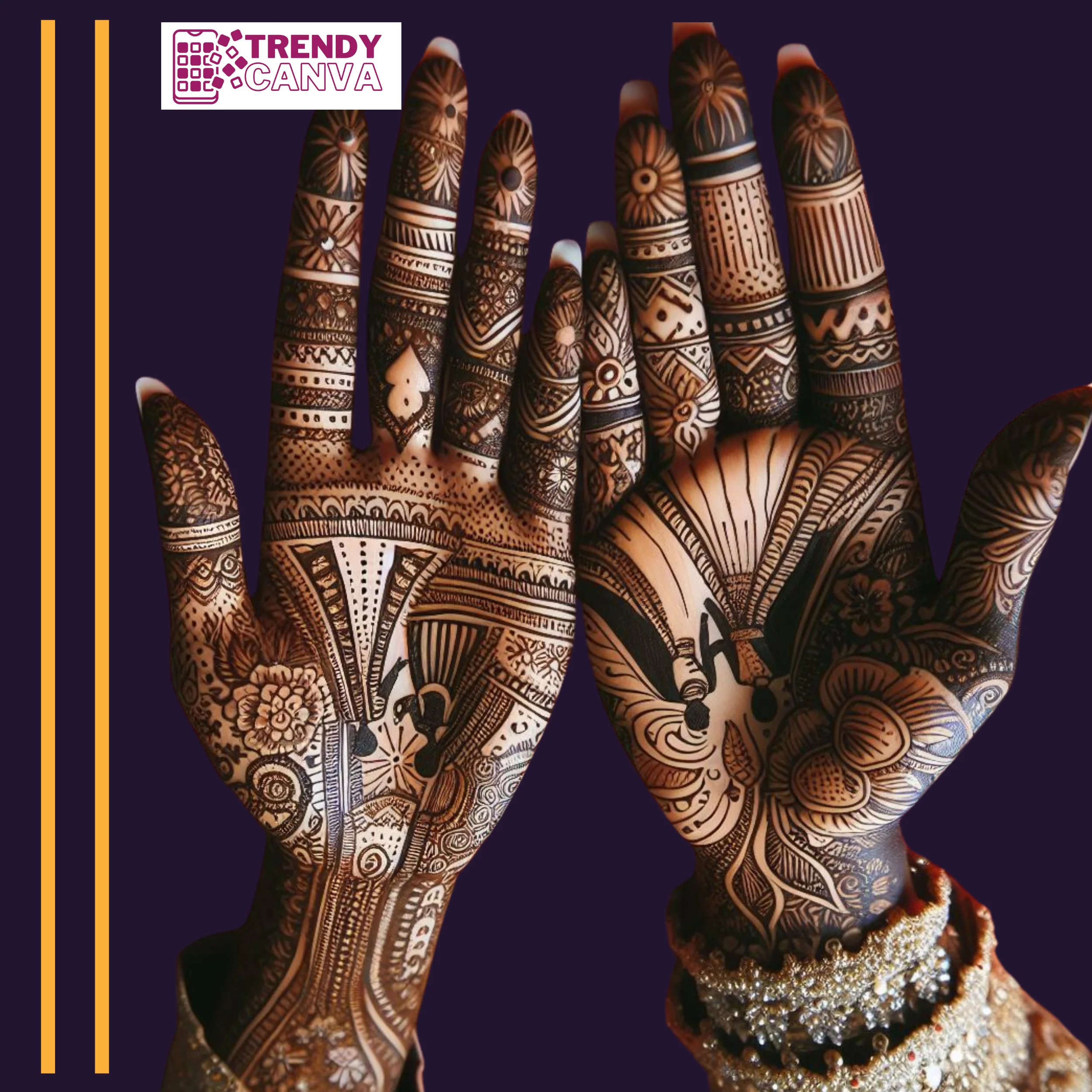
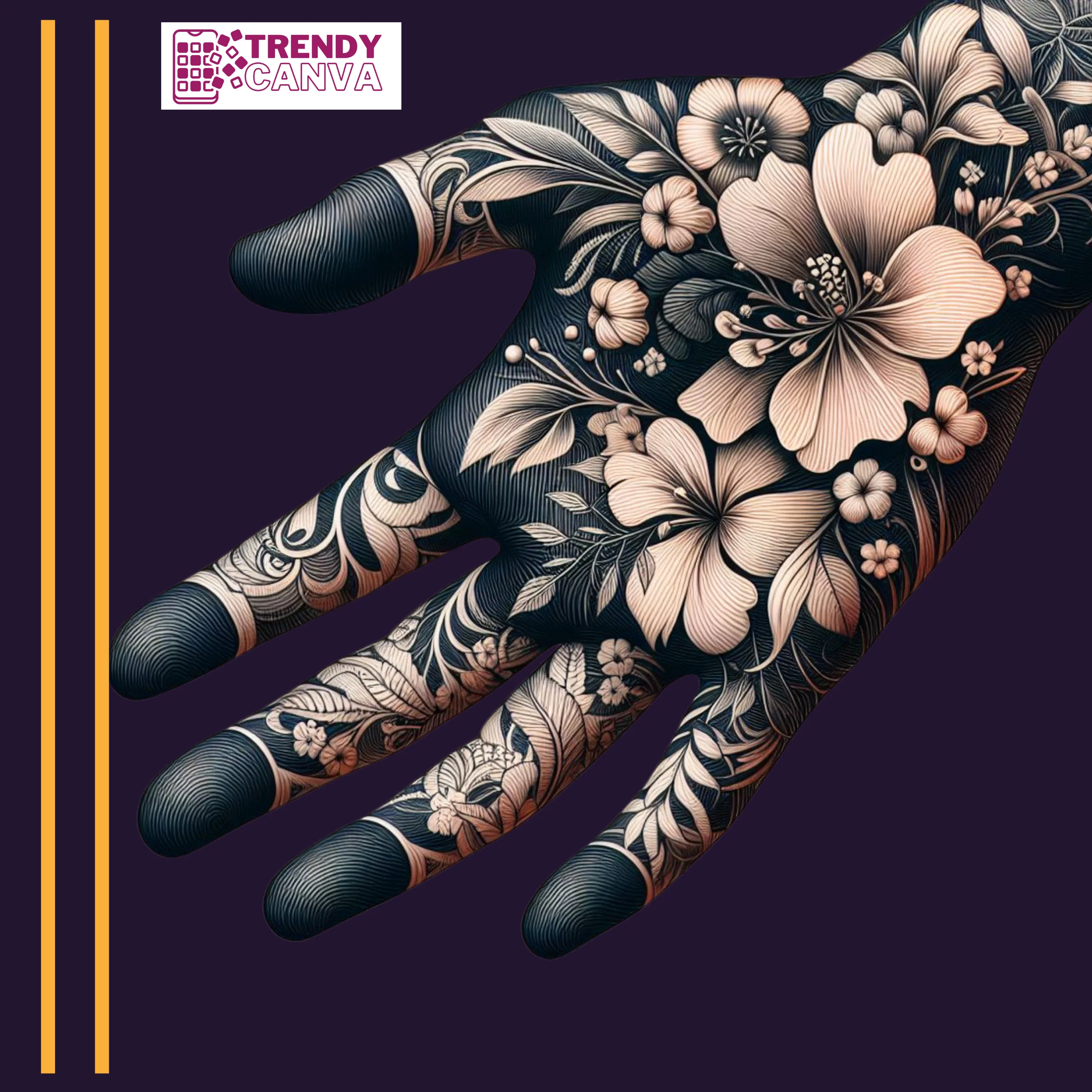
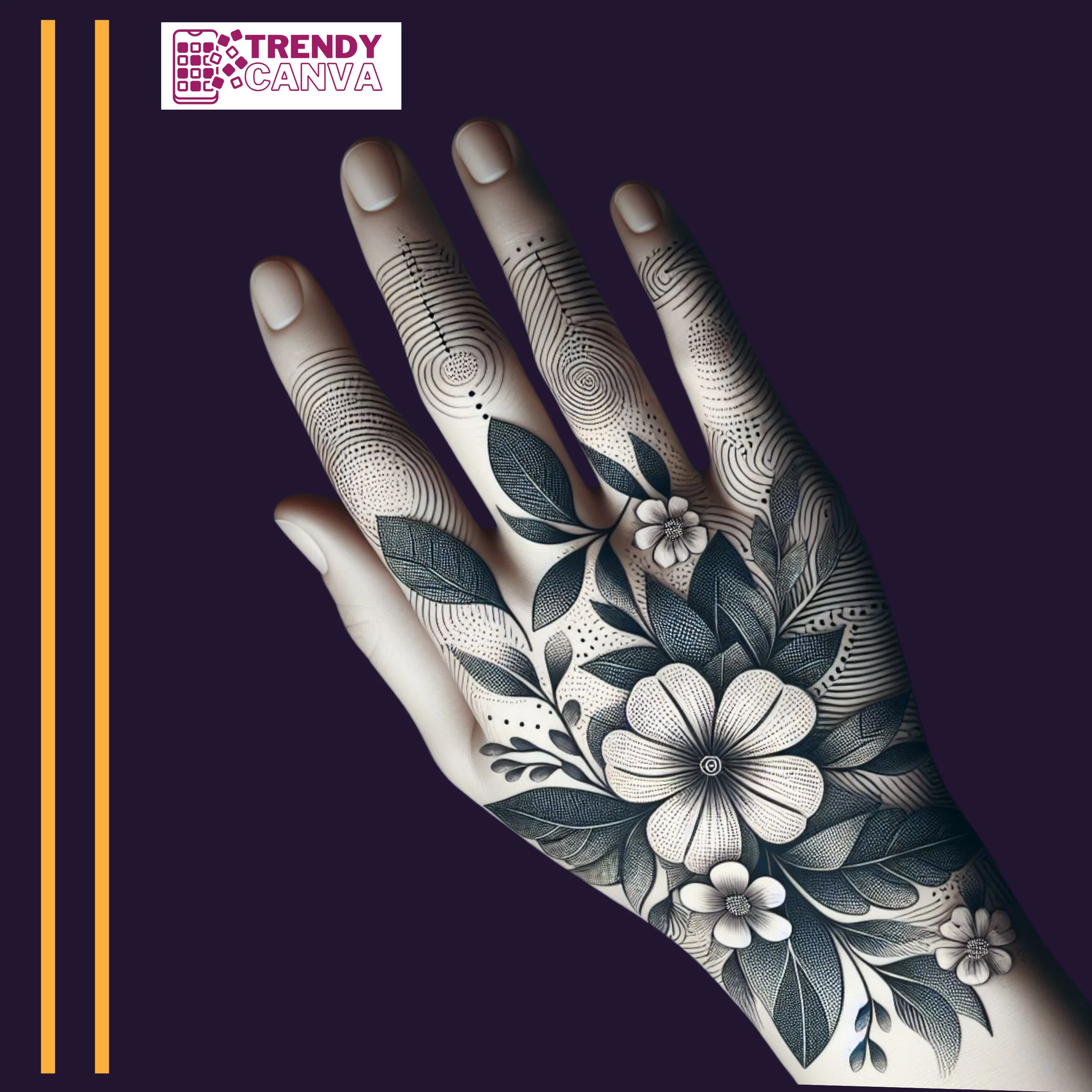
15. The Modern Floral Design
A contemporary floral layout with cleaner lines and less shading than traditional florals gives the back hand a fresher, less crowded look while still keeping the motif recognizable.
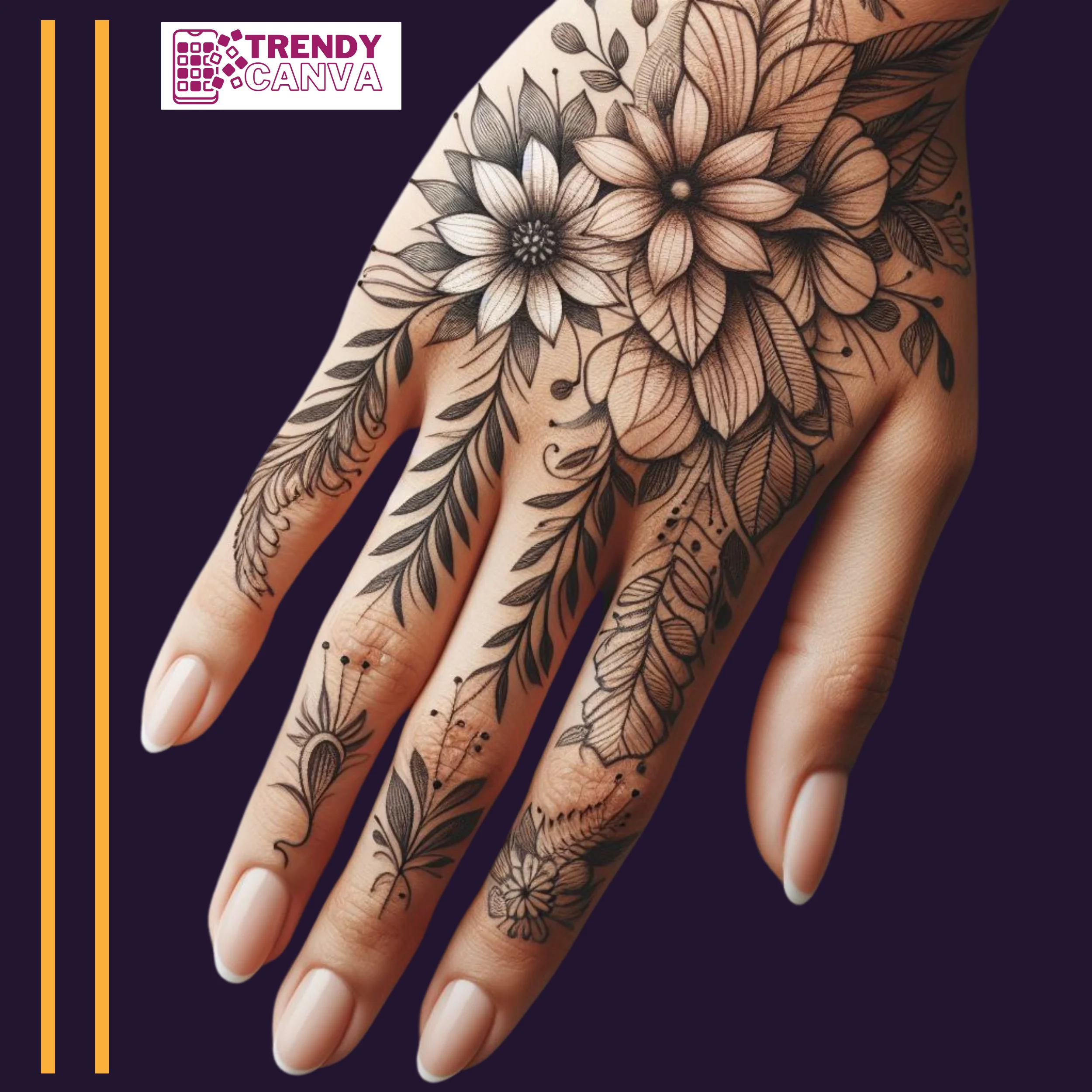

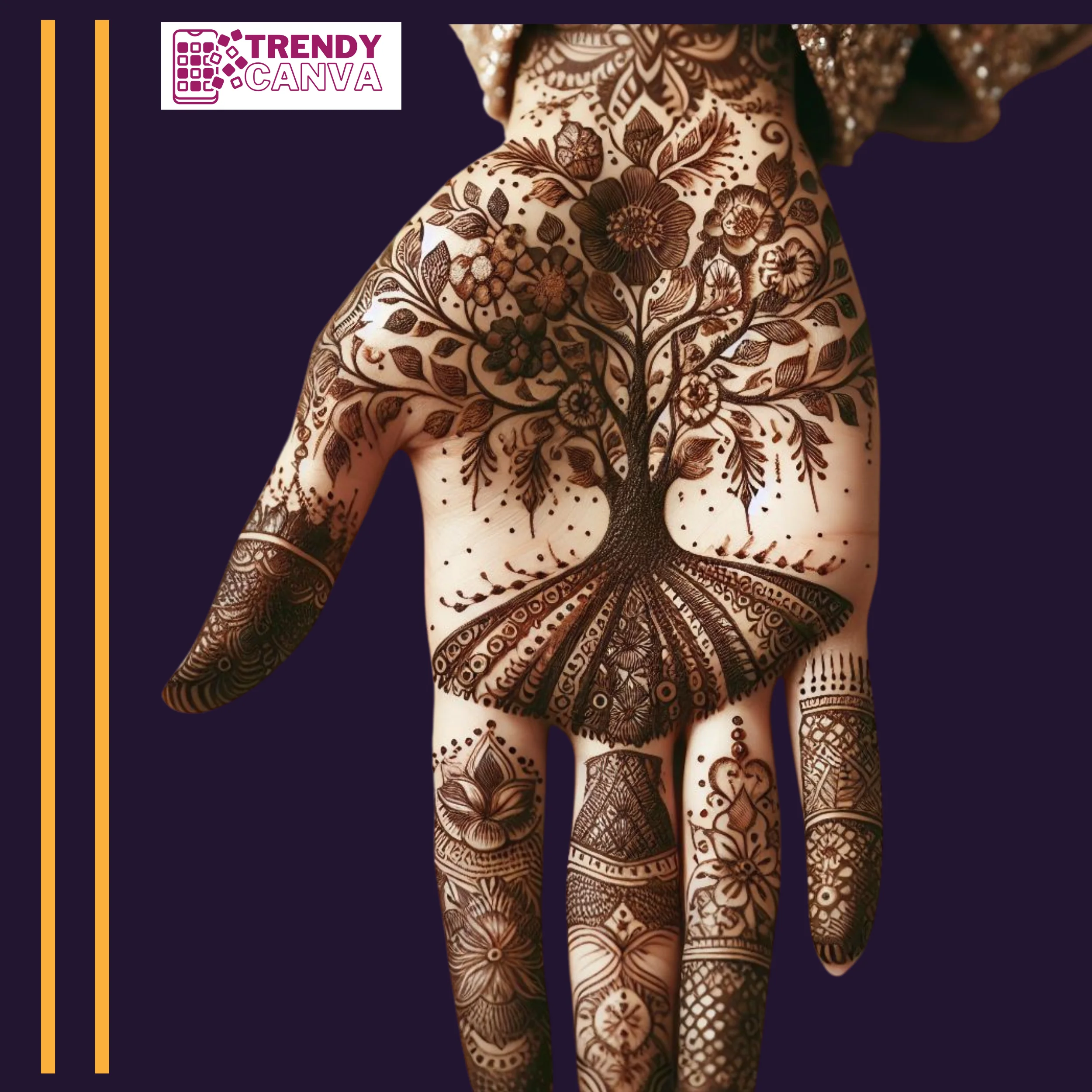
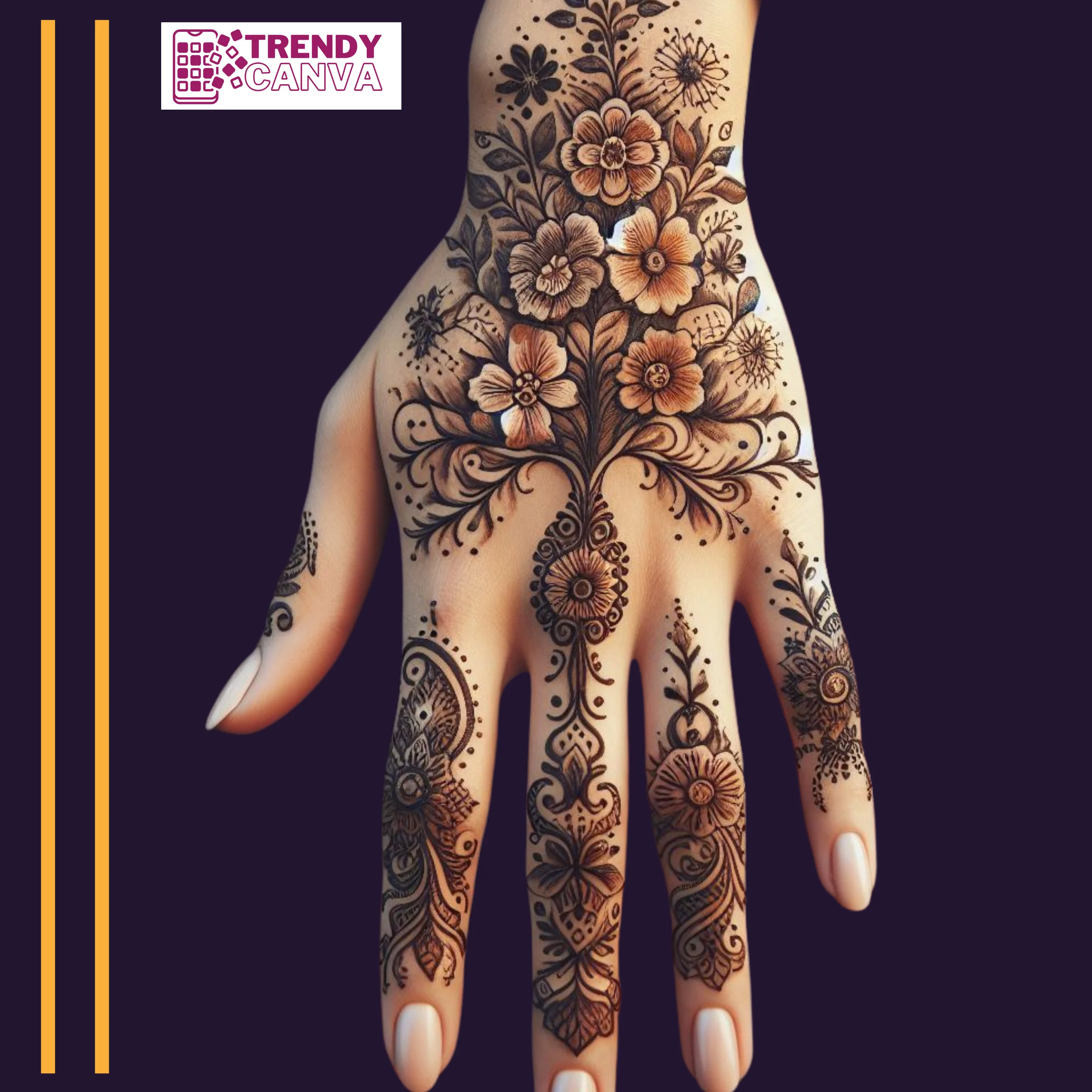
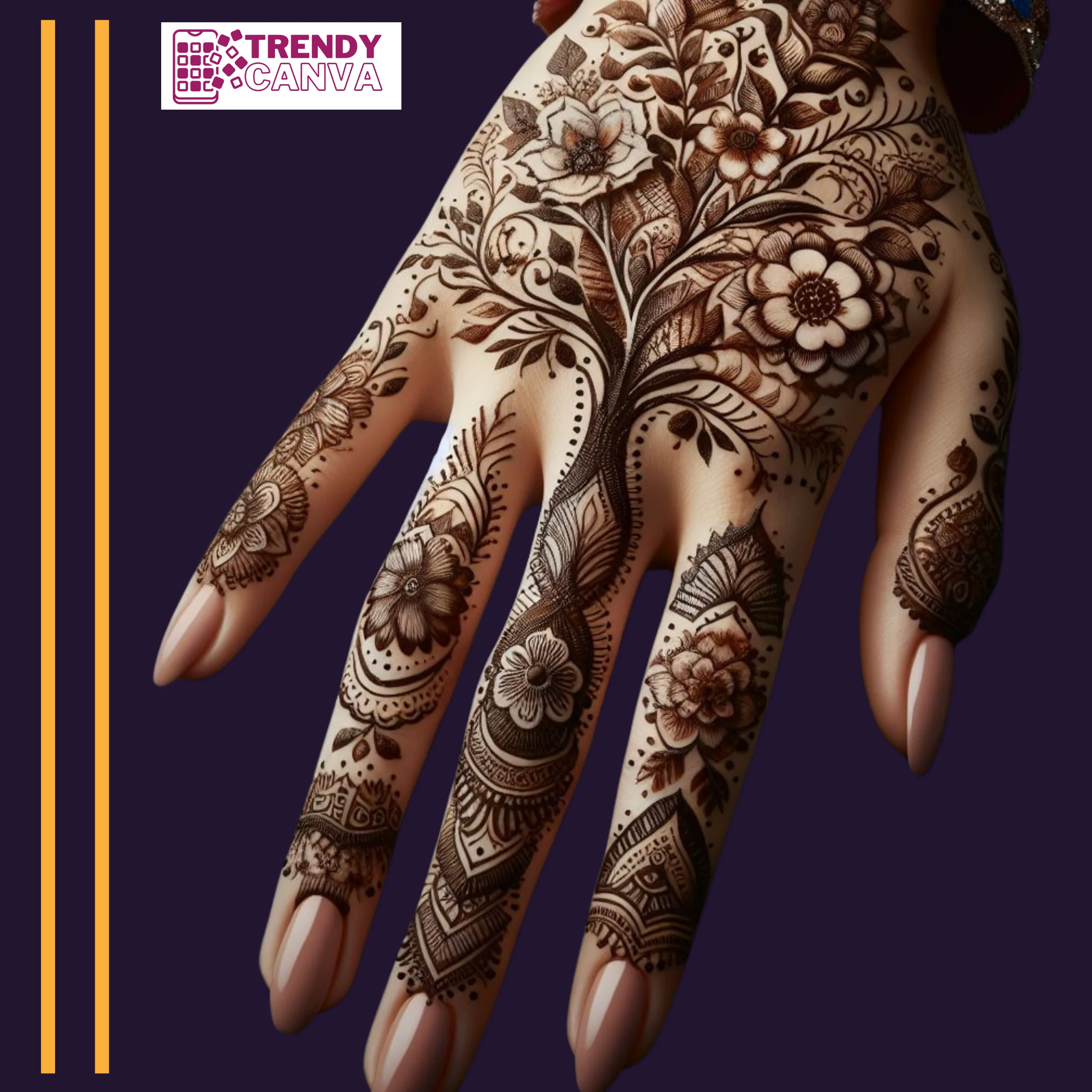
16. The Regal Floral Tree
A tree motif rooted at the wrist and branching across the back of the hand gives the design a clear sense of direction that’s harder to achieve with a symmetrical floral cluster.
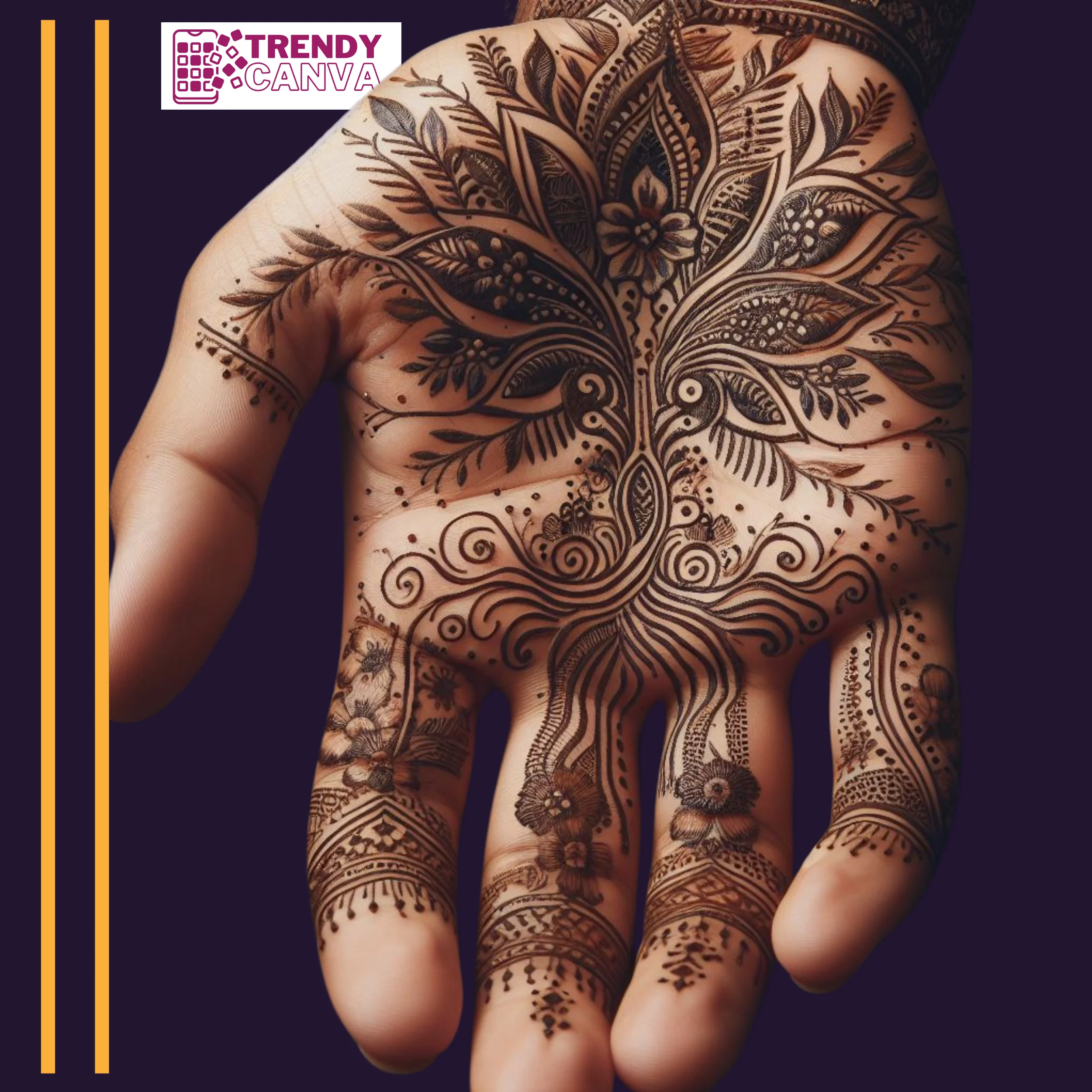
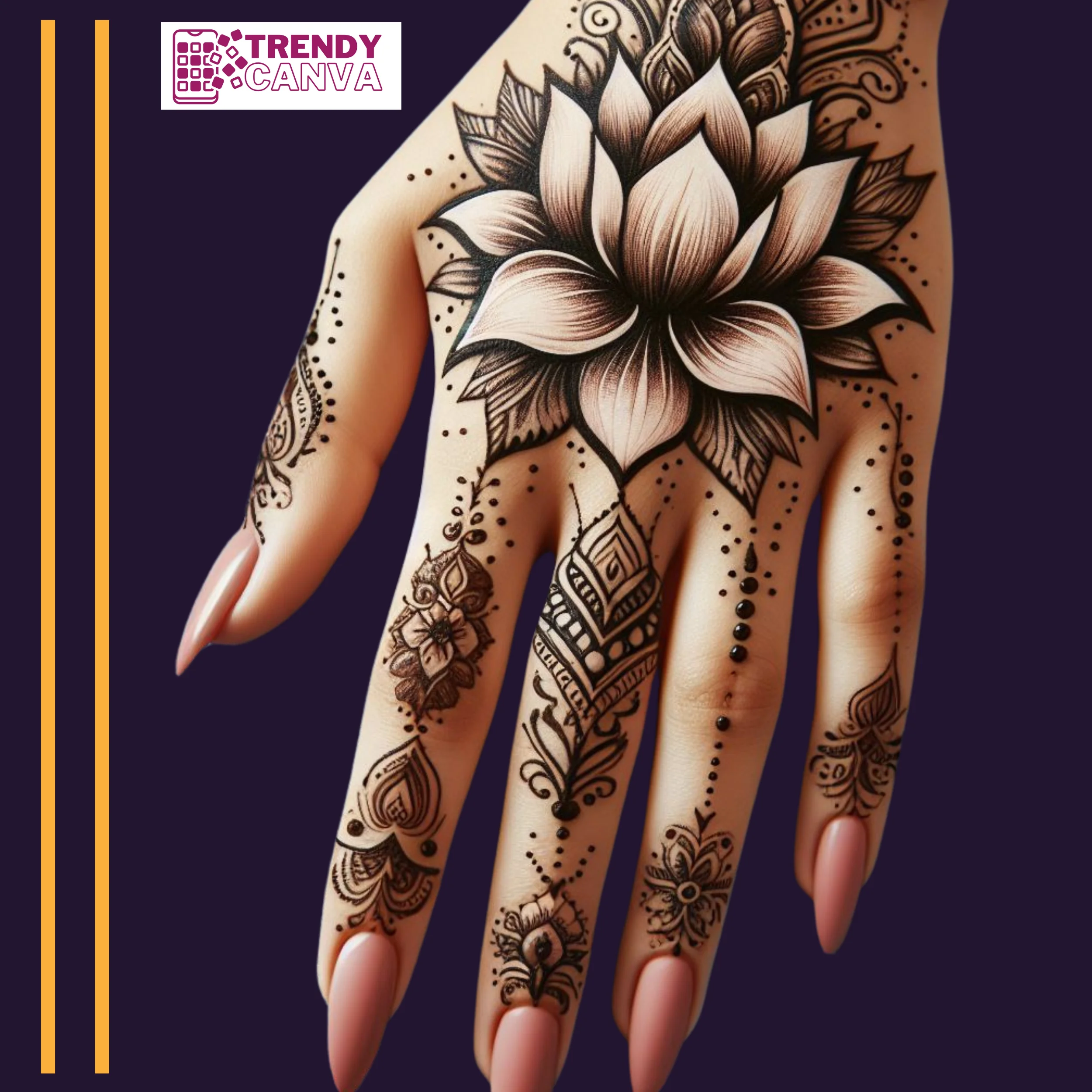
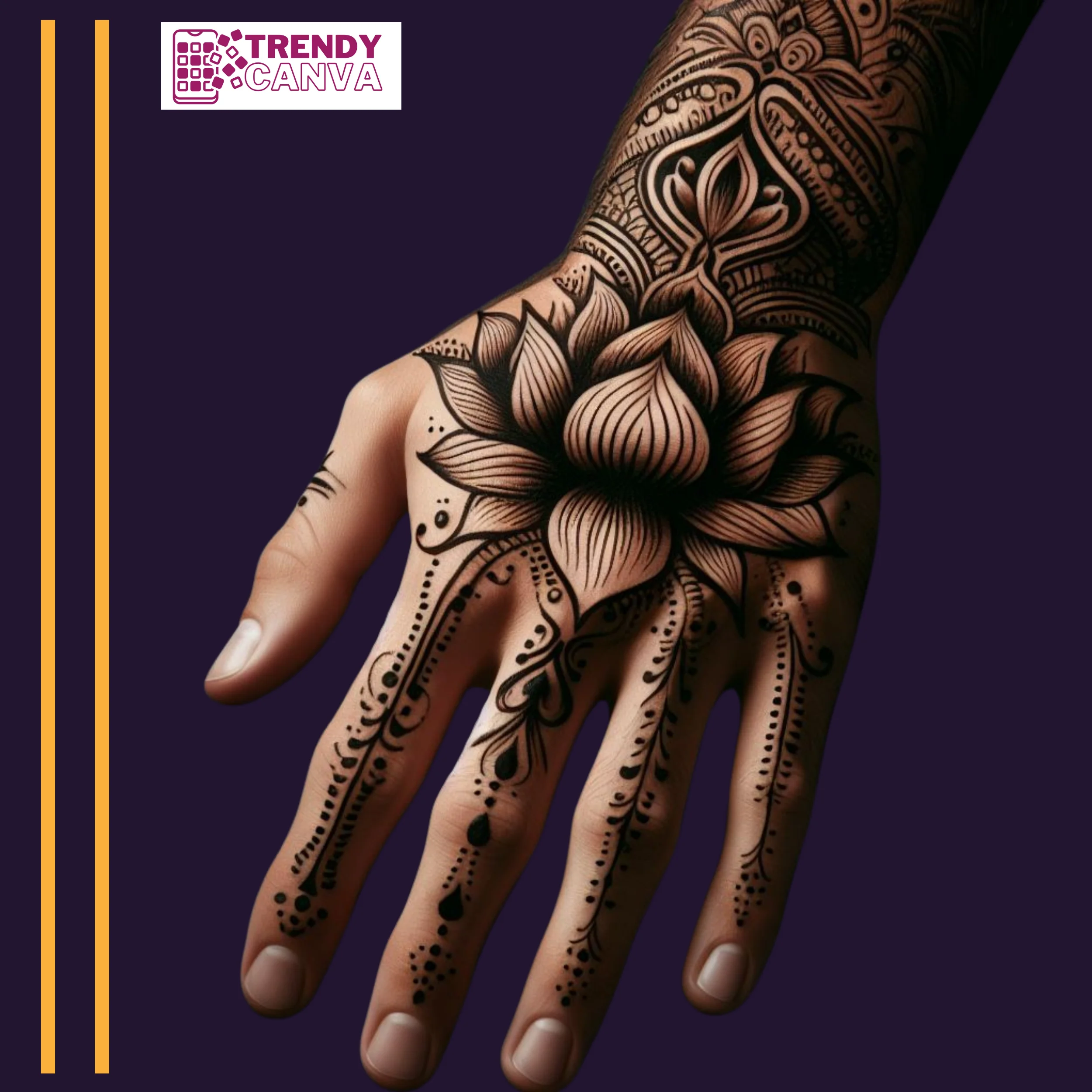
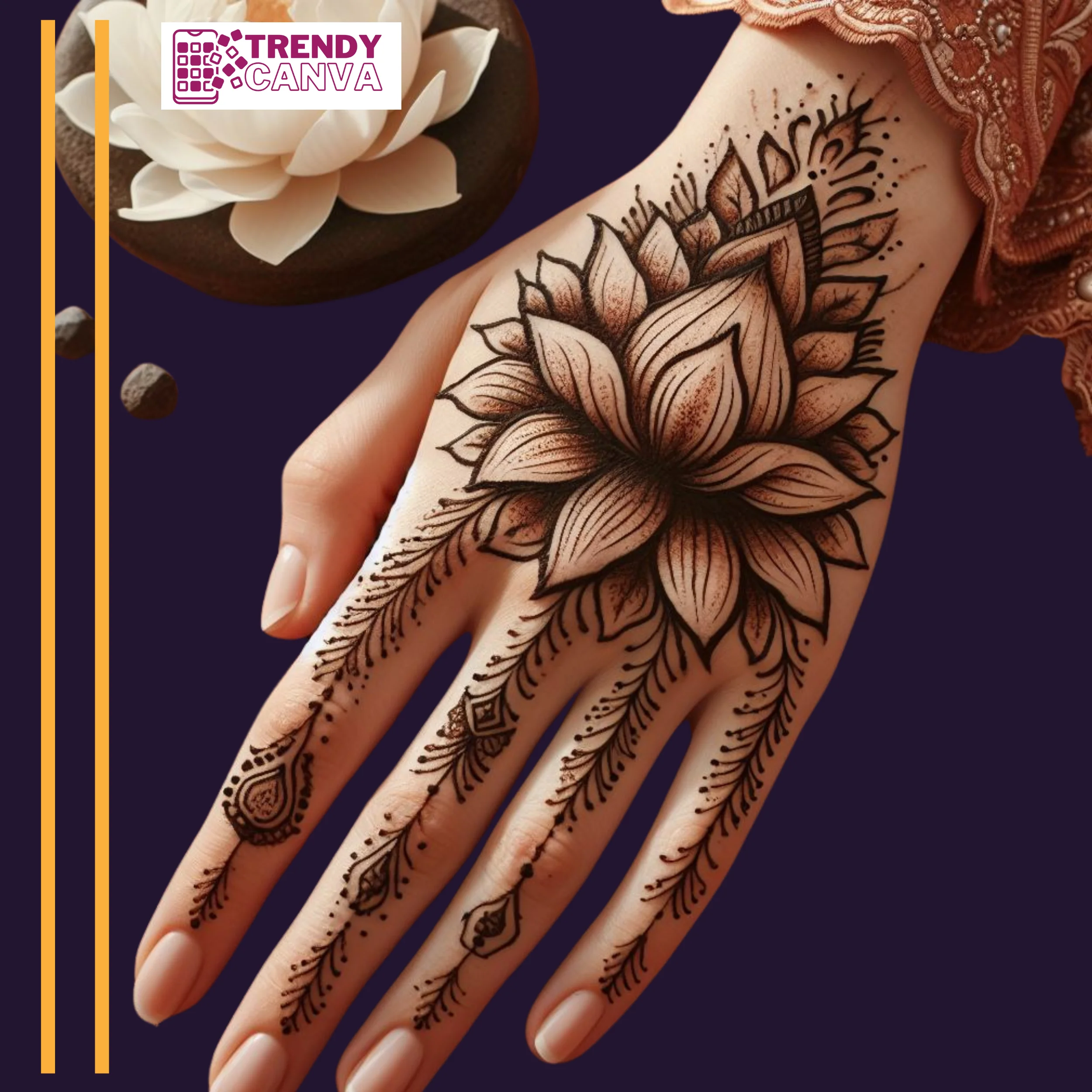
17. The Bold and Beautiful Lotus
The lotus holds up well at a larger scale, which makes it a strong choice for the back hand specifically — its layered petals hold fine shading better than smaller, denser florals.
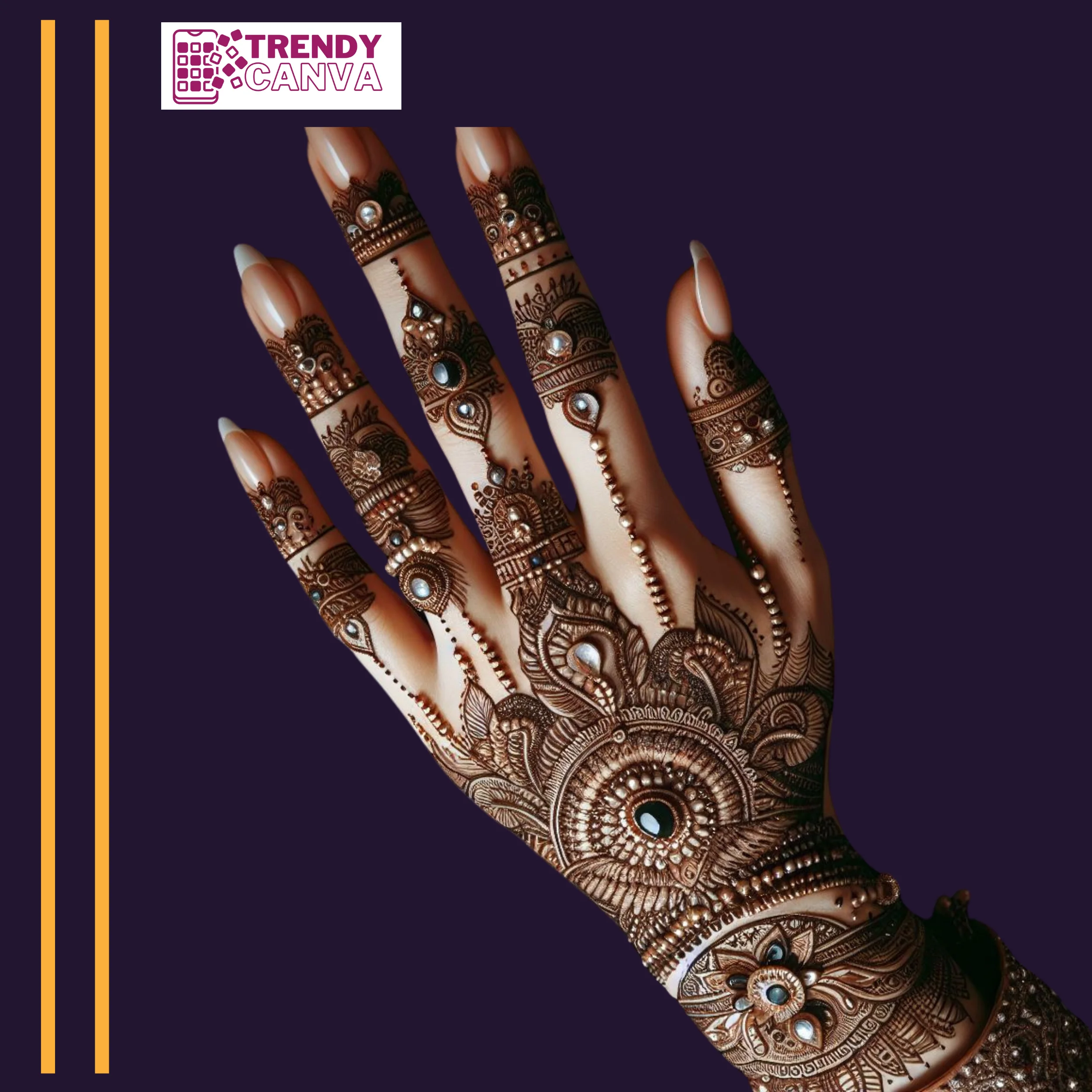
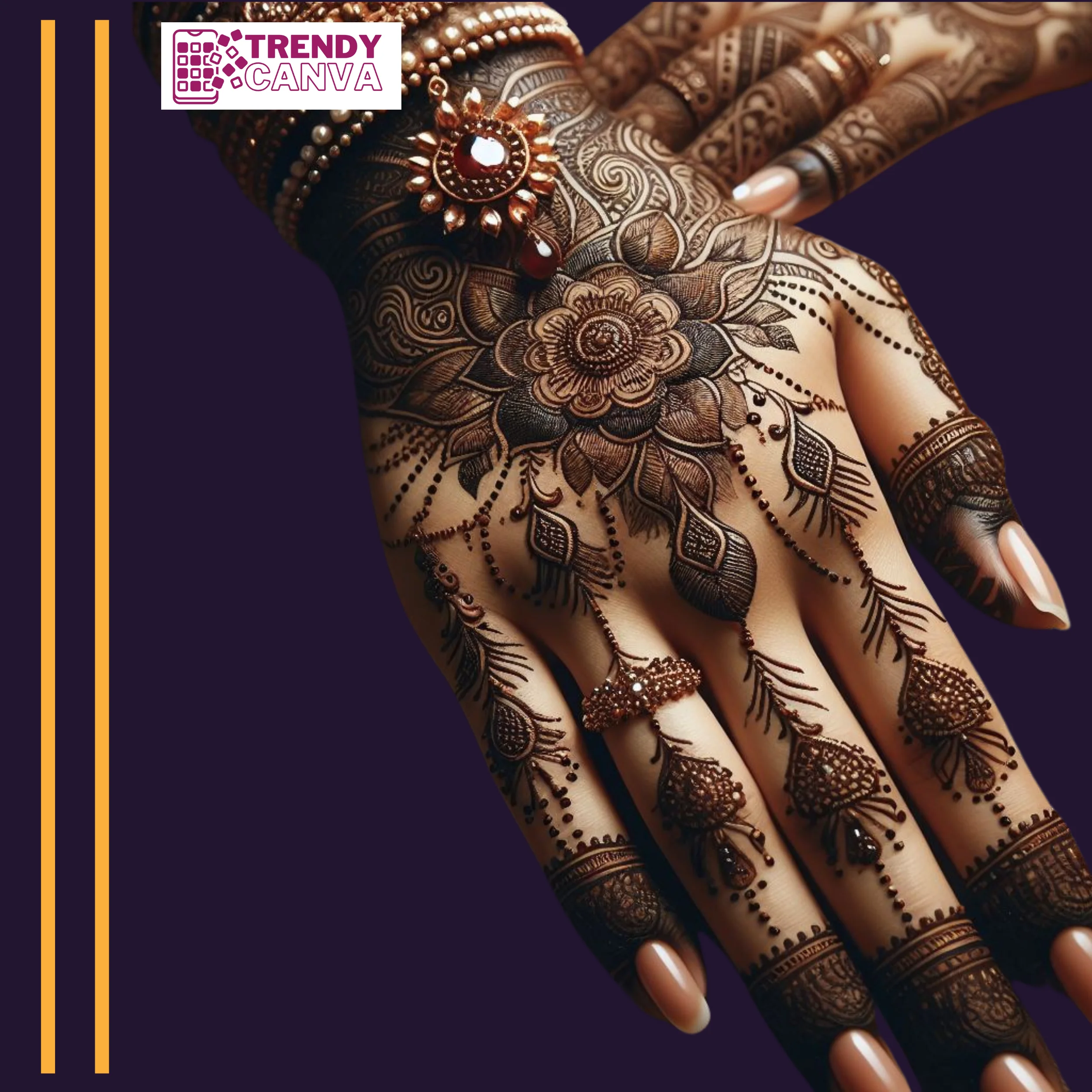
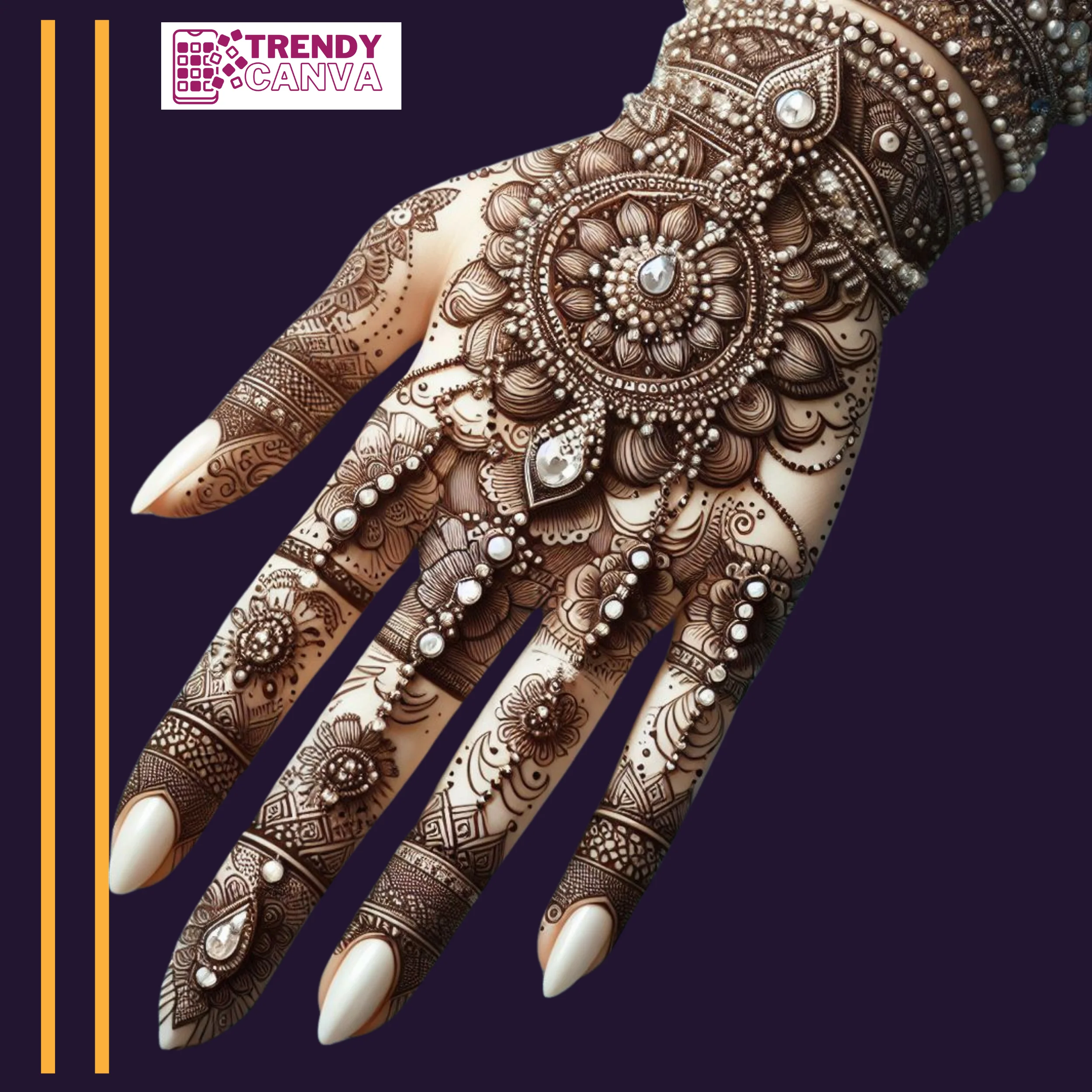
18.The Intricate Bridal Jewelry Inspired
Jewelry-inspired motifs — maang tikka chains, haath phool patterns, bracelet-style cuffs — are one of 2026’s most requested bridal looks, since the back hand is exactly where real jewelry would sit.
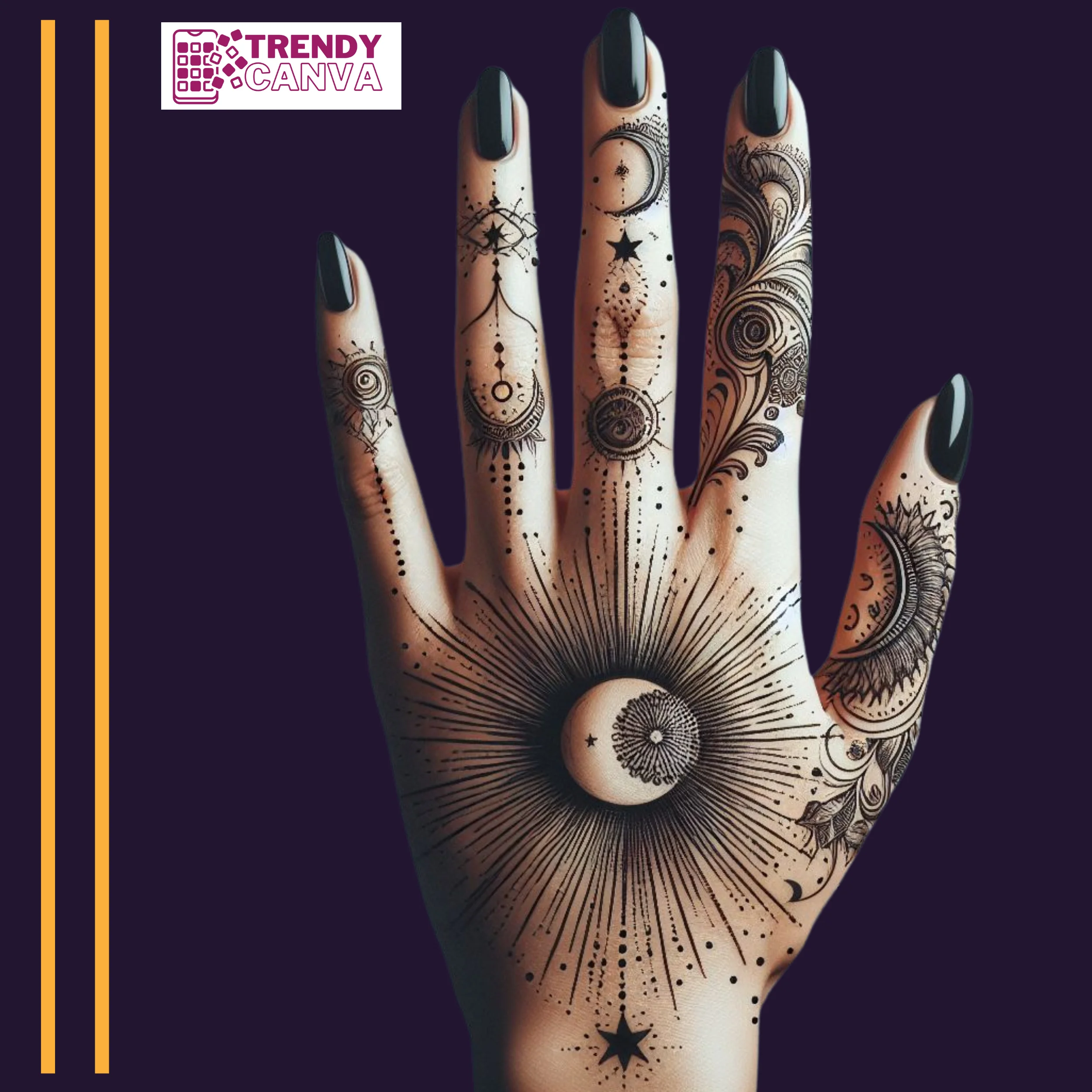
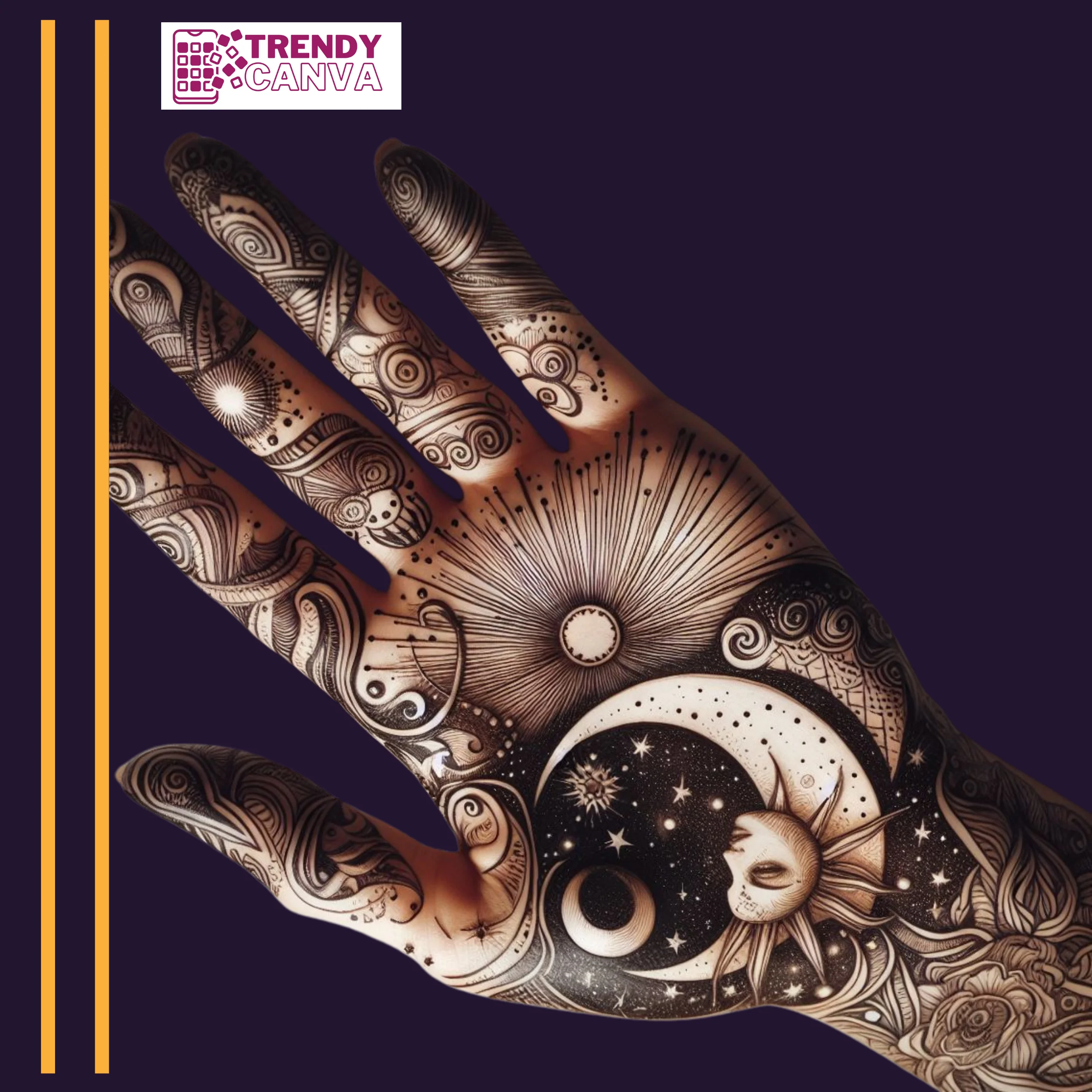
19. The Modern Fusion with Celestial Elements
Star, moon, and sun motifs work best scattered rather than clustered on the back hand — spacing them out creates the impression of a night sky instead of one crowded section.
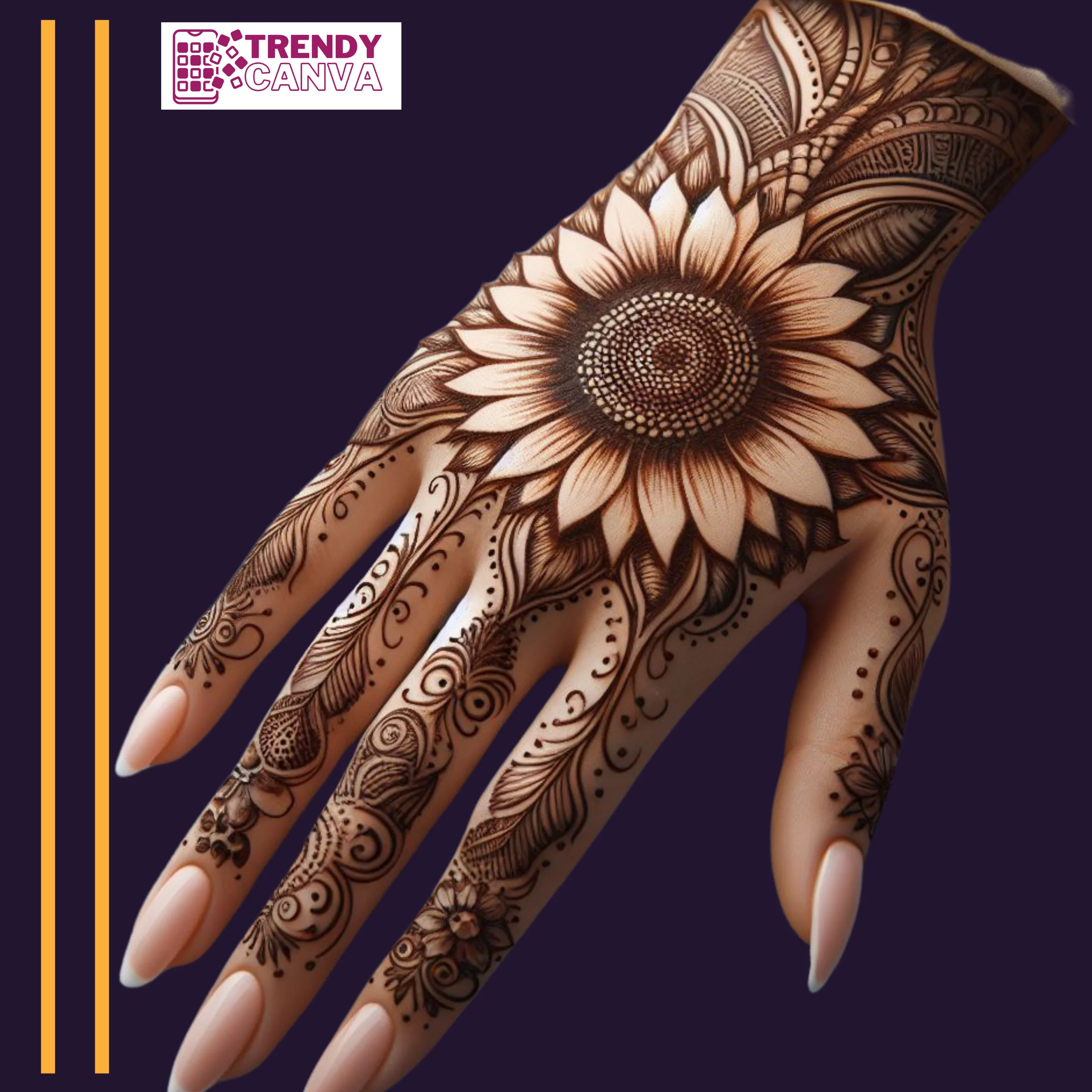
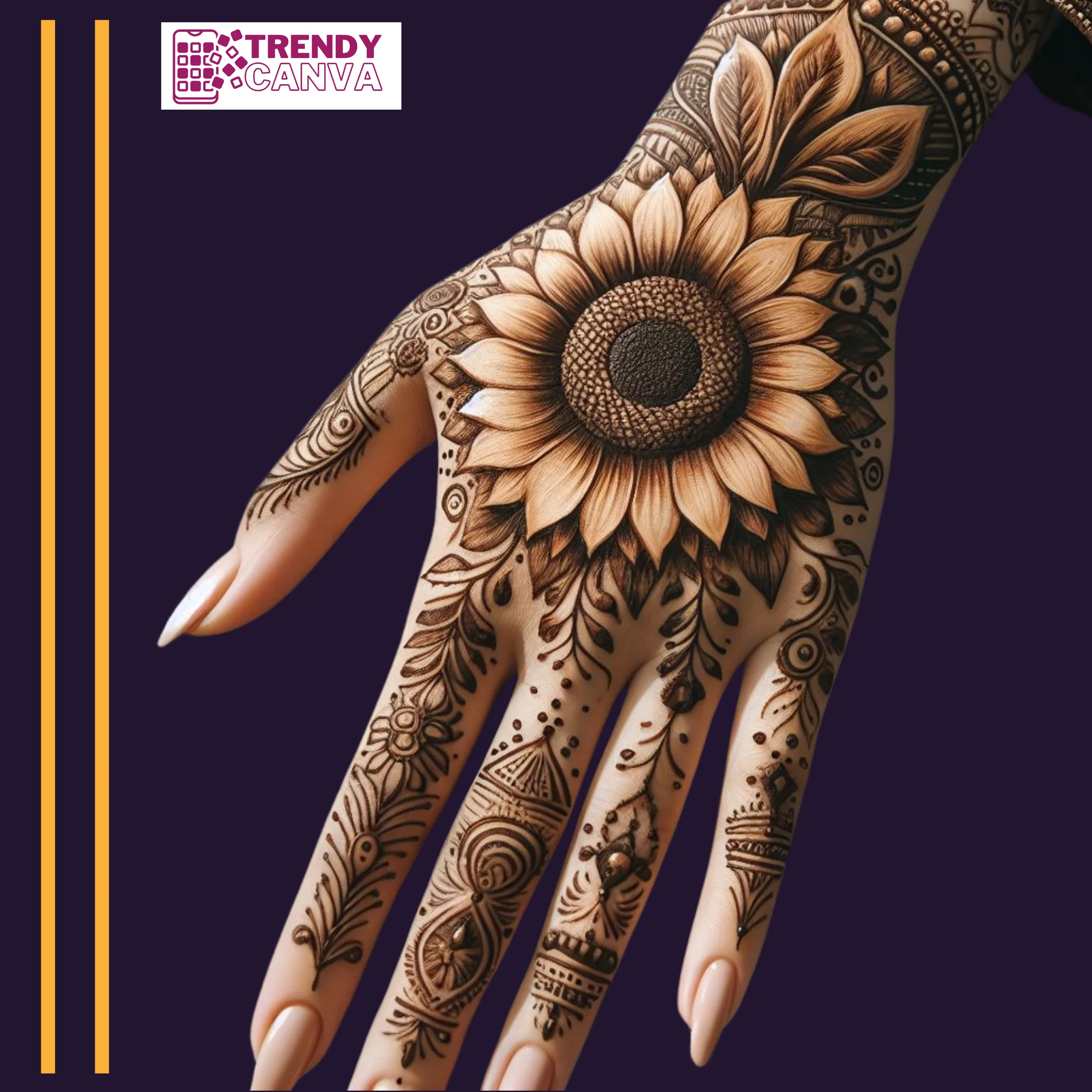
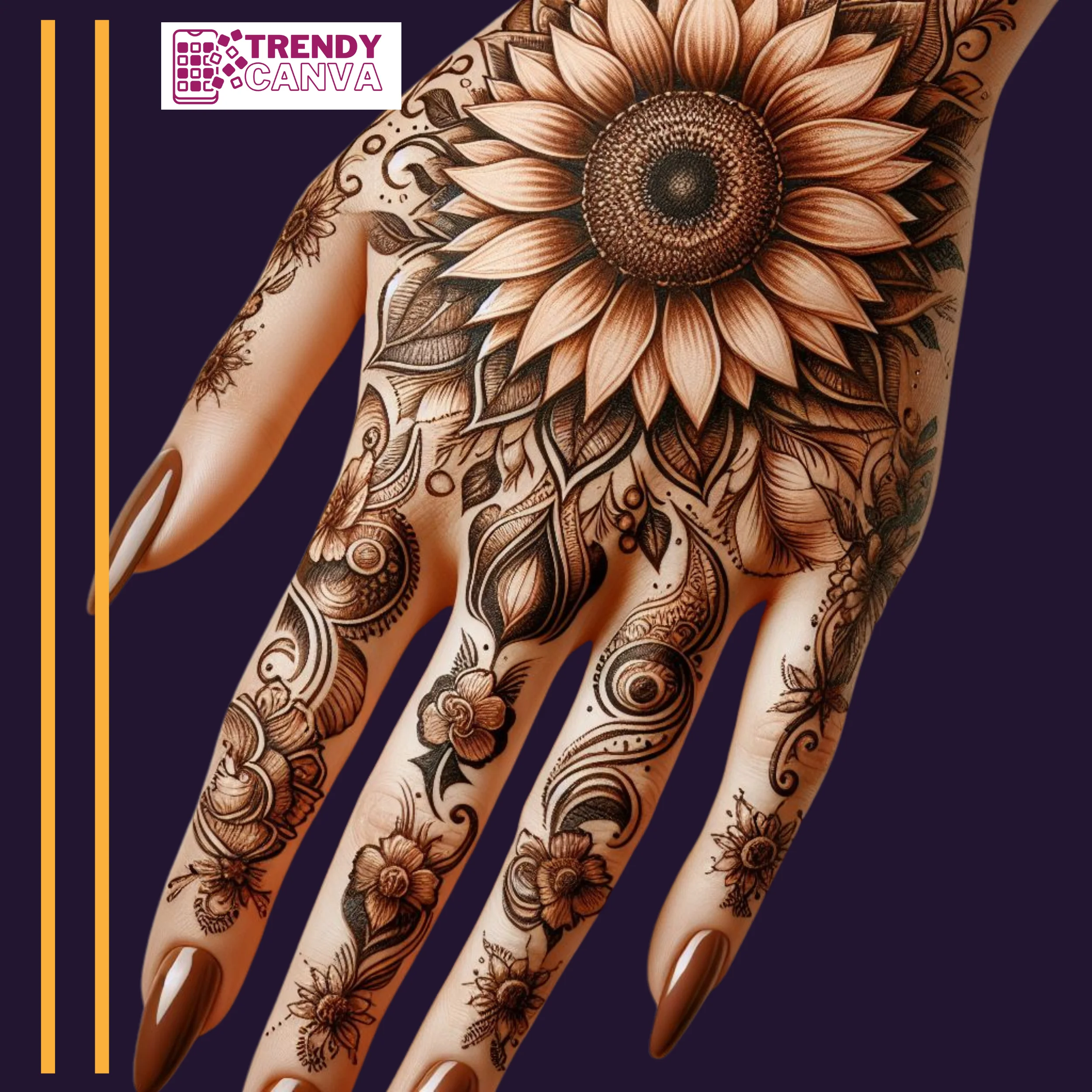
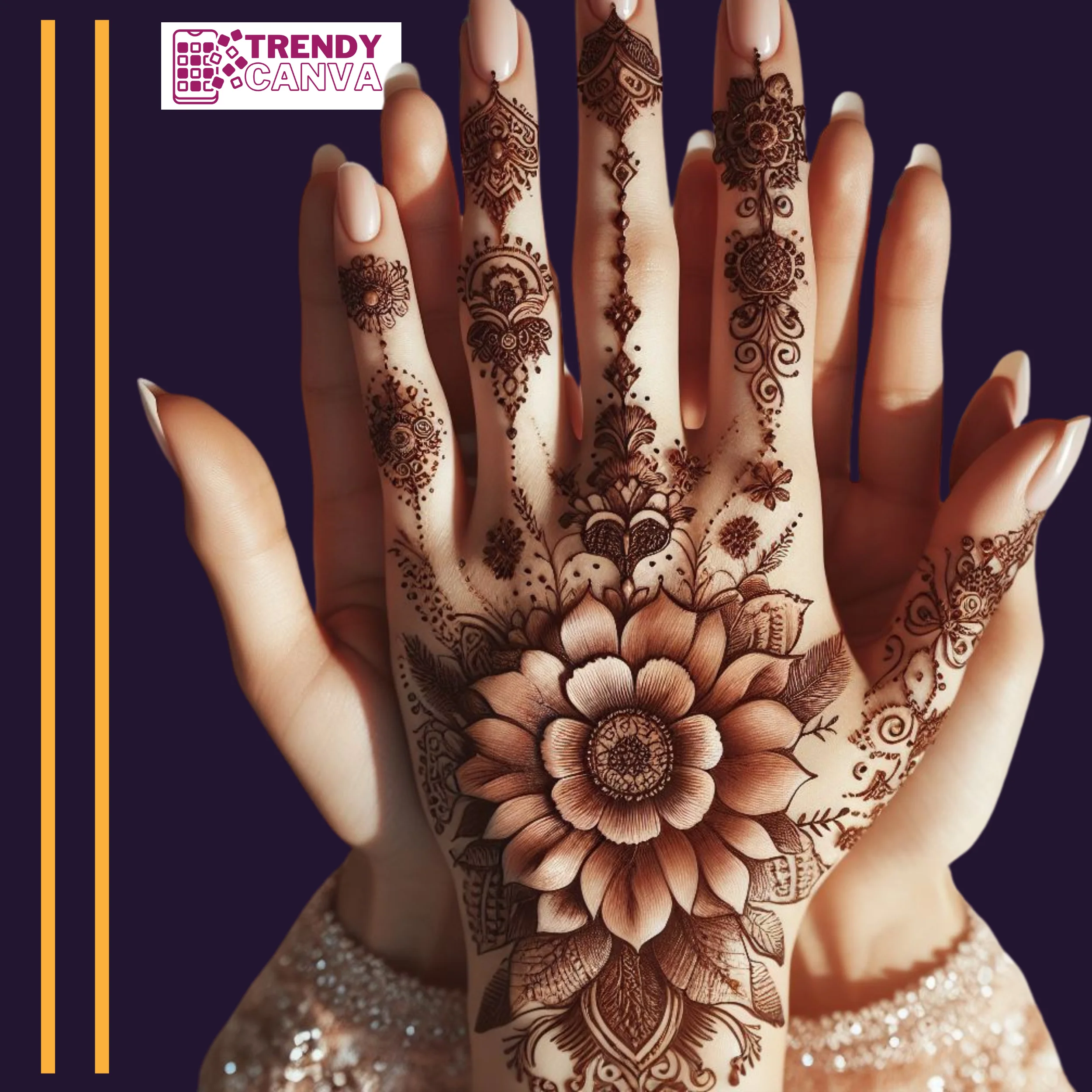
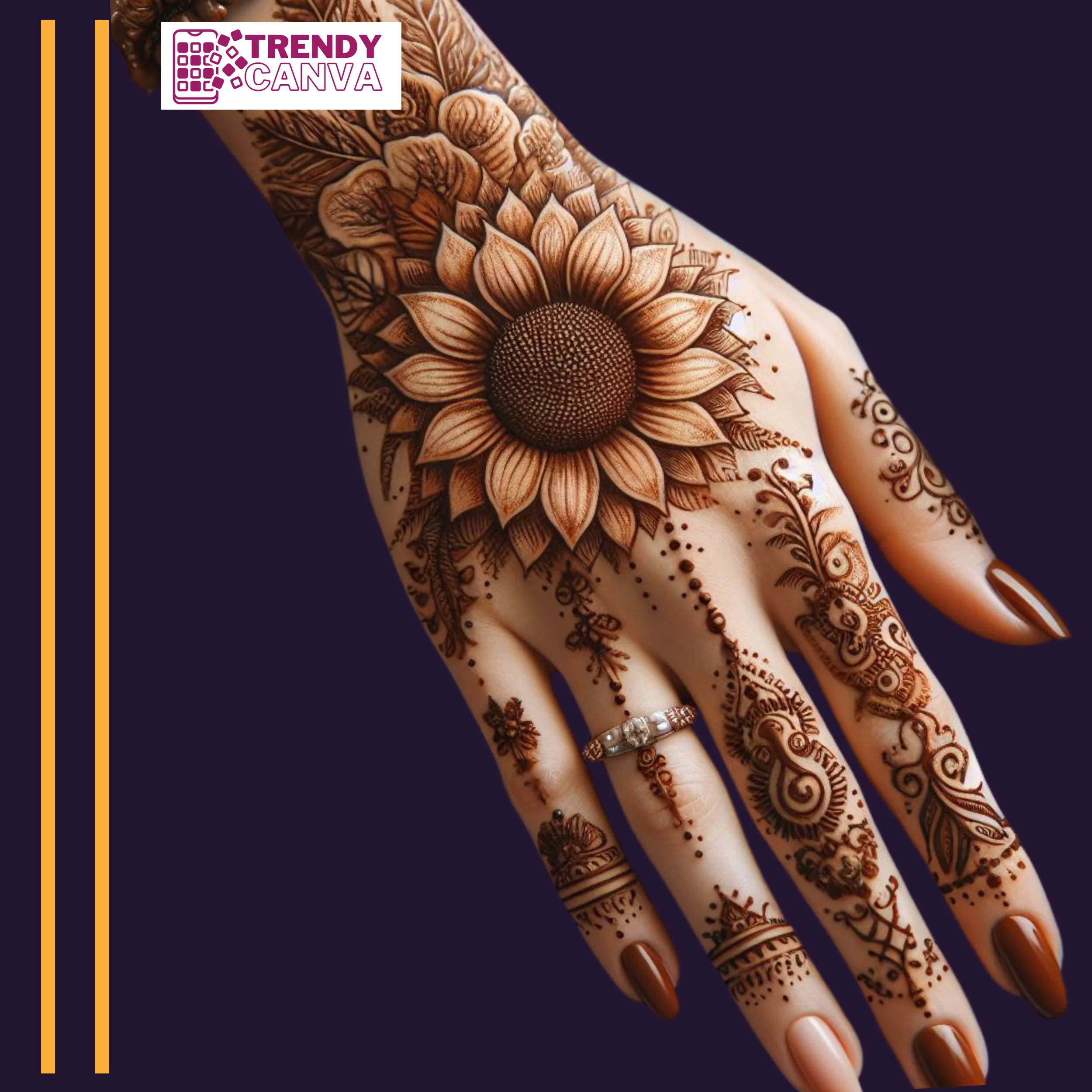
20. The Regal Floral Sunflower
Sunflower motifs bring warmth to a back hand design and suit daytime functions particularly well — the brighter, cheerful pattern fits a haldi or mehndi ceremony better than a heavier bridal design would.
Wrapping Up
Back hand mehndi is one of the more expressive ways to wear henna — visible, photogenic, and rooted in a genuinely old tradition, but flexible enough to go fully modern.
Whether your back hand mehndi design leans chic and modern or stays traditional and timeless is entirely up to you — these 20 designs range from a bare minimalist floral to a full peacock in vivid detail.
If you want a matching set, our front hand mehndi designs guide picks up where this one leaves off.
FAQs
How long does back hand mehndi last?
Typically 1 to 2 weeks, though the back of the hand fades a bit faster than the palm since the skin is thinner and sees more washing. For tips on getting a deeper, longer-lasting stain, see our guide to darker mehndi color.
Which design suits Eid versus a wedding?
Eid and daytime functions usually call for lighter, faster designs — negative space or a single floral motif works well. Bridal and reception looks tend toward fuller coverage, jewelry-inspired patterns, or personalized details like initials or a wedding date.
1. Which type of mehndi design is best?
The “best” mehndi design is simply one that suits you perfectly unique as your own while keeping in mind the occasion and cultural connotations. Some factors to consider include: Some factors to consider include:
- Personal style: Do you love the complexity of the patterned graphics, formality of the bold outlines, exotism of the flowers, or the rationality of the geometric shapes?
- Occasion: Will it be a wedding dress, a festival dress or rather a casual dress? Various occasions (weddings, graduations, or prom) often have set fashion rules.
- Cultural significance: Some specific regions of India, Pakistan and other nations will use special design elements or some parts of the culture and you can can add up this in your theme.
2. When was mehndi used in India?
The use of henna as an ornament for the bodies and hair of the women and men in India, can be traced back to over 5000 years ago. It has been invaluable for diverse purposes ranging from decoration to cultural festivities and as a form of modern medicine where the body is adorned.
3. What is Indo Arabic mehndi design?
An Indo-Arabic mehndi design uses aspects of both Indian and Arabic styles of the art form. It often feature sophisticated floral designs, geometry, and strong lines, with harmonious and symmetrical pattern as the main style idea.
4. What is Indo-Western mehndi?
Indo-Western mehndi design means uniting of the traditional Indian mehndi styles and touches of Western culture. Incorporating typically traditional styles with patterns, flowers and modern design will ensure that the presentation of the handmade items will be an agent of innovation and transformation in society.
5. What is Pakistani mehndi?
Like Indian mehndi patterns, Pakistani designs on occasion demonstrate common motifs yet we can also find differences between them. Such alterations might be expressed with the cordons in the form of floral patterns, mainly paisleys and geometrical forms.
Besides applying darker colors of henna and work on the fingers as well, Pakistani mehndi includes patterns of leaves and flowers that cover the fingers and hands.




2 Comments